Greener pet aftercare in Darwin, Northern Territory
Roughly 4,050 Darwin families say goodbye to a dog or cat each year, by our count. A living memorial is one way to mark it. This guide explains how to make one that actually grows.
- A memorial that moves with you
- Why pure ashes harm young roots
- Written prices you can compare
Darwin, Northern Territory
Planning a greener goodbye in Darwin
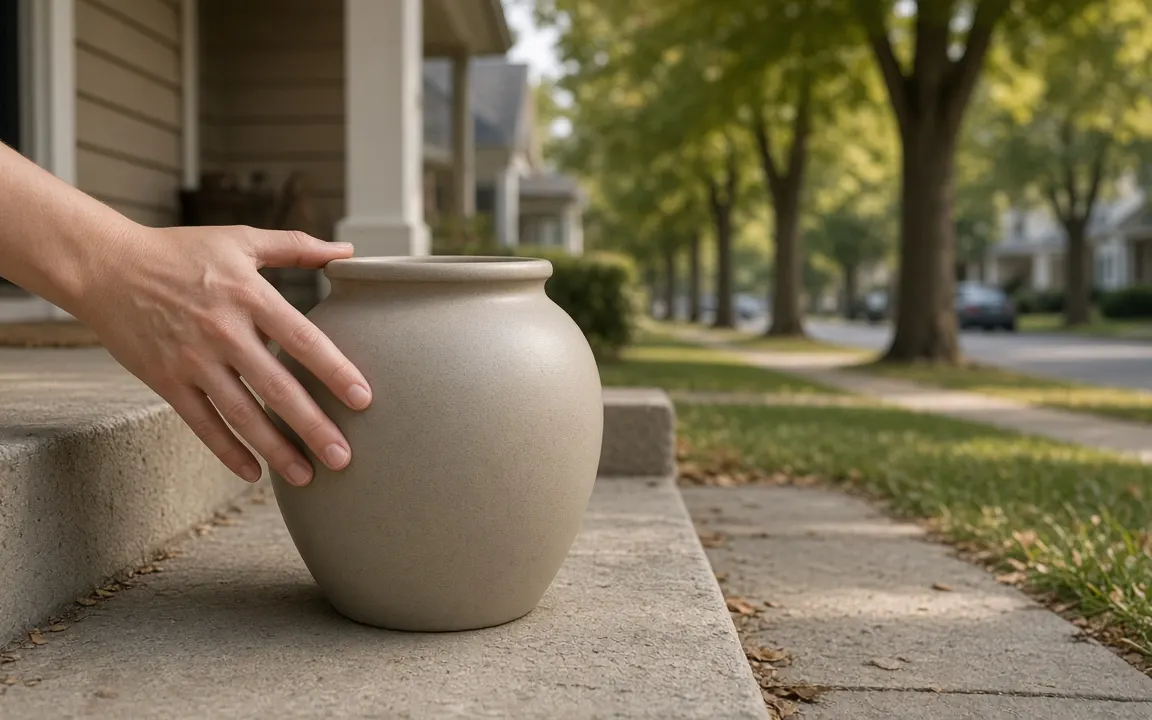
Many Darwin residents are on postings or contracts, with family spread across Australia, and memorial choices often reflect that. Some keep ashes in a simple container until they know where they'll settle, then choose a permanent piece. Others divide ashes into small keepsakes for relatives down south. There's no need to rush your decision. Ask for a written price that includes postage.
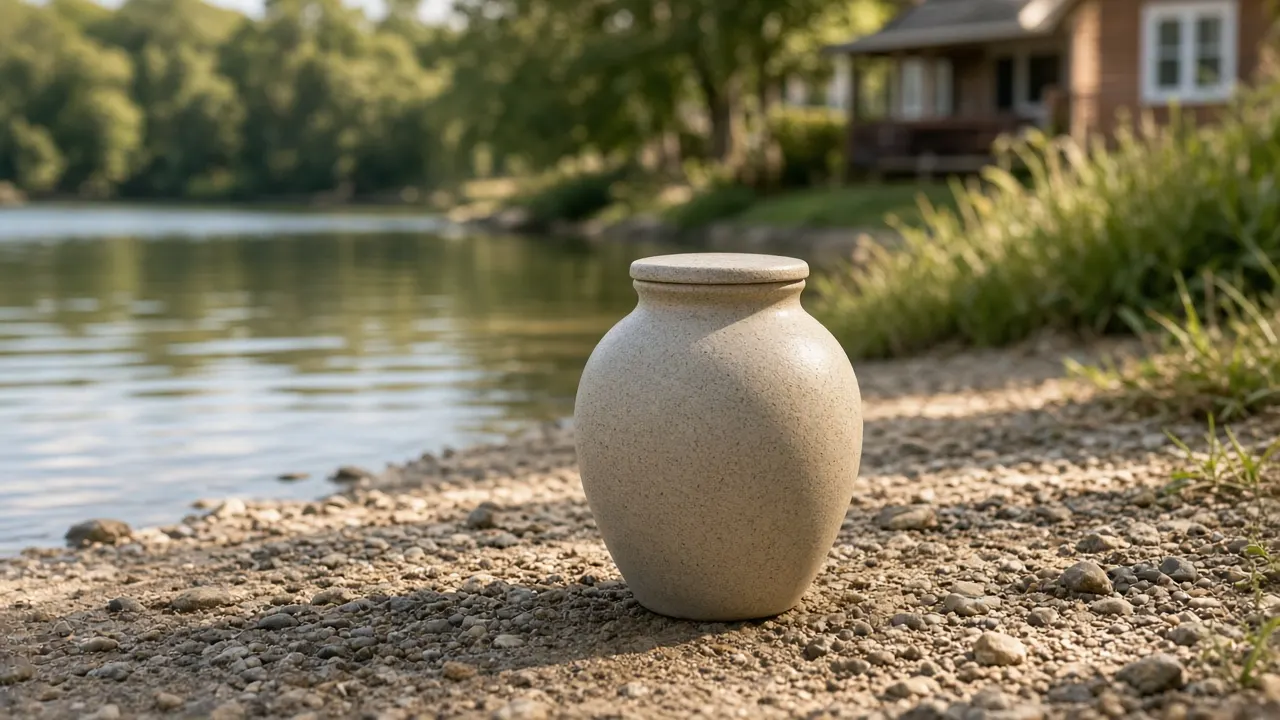
Darwin's sunsets over the harbour, the foreshore at East Point and the bush of the rural area give many people a strong picture of where they'd like a pet remembered. If you're thinking of scattering ashes on the water or on public land, check the rules first, and remember crocodile safety near any waterway. A tropical tree planted with a biodegradable urn is another option.
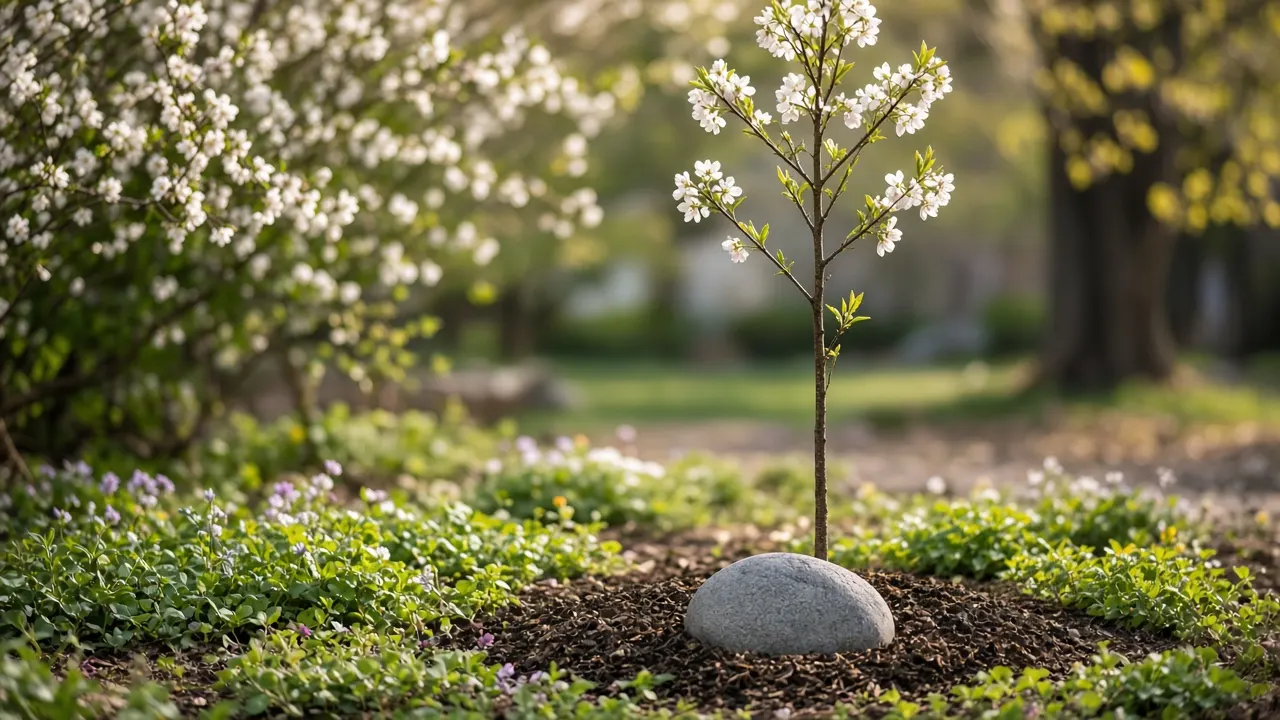
Many Darwin households have a yard, which opens up the classic option: a memorial tree in the ground. Before you pick a spot, think ten or twenty years ahead. A tree needs distance from the house, sewer lines and overhead wires, and it stays with the property when you sell. If a move is likely, a large container, a relative's garden or a shrub bed that a future owner won't mind are all kinder choices than a shade tree you'll have to leave behind.
Darwin's population is around 147,000.
Our estimate
49,000
How many dog- or cat-owning households Darwin has (estimate)
How we calculated this
147,000 ÷ 2.5 = 58,800 households; × 49% (dog) + 34% (cat) = 49,000. Homes are counted once however many pets they keep.
Our estimate
4,050
Darwin families who lose a dog or cat each year (estimate)
How we calculated this
49,000 dog/cat-owning homes ÷ average lifespan (dog: 12.69 yrs + cat: 11.18 yrs) ≈ 4,050 a year. Treat it as a minimum.
49%[1]
49% of Australian households have at least one dog, up from 40% in 2019.
12.69 years[2]
US dogs have an average life expectancy at birth of 12.69 years.
34%[3]
34% of Australian households have at least one cat, up from 27% in 2019.
11.18 years[4]
US cats seen at Banfield hospitals have an average life expectancy at birth of 11.18 years.
To check the figures yourself, see Animal Medicines Australia, Pets in Australia 2025 (media release) and Montoya et al. 2023, Frontiers in Veterinary Science.
The local attitude to ashes and memorials
Scattering gardens and woodland memorials are familiar sights in Australia, where cremation is the choice for around 71%[5] of people who die. Many families already have a place where a grandparent's ashes were scattered. If that place is on land you own or have permission to use, a pet's ashes can join it quietly. Human cemeteries and crematoria grounds are different, and most don't accept animal remains, so ask first.
That Australia rate is a human one, published by FuneralSmart (2023). We quote it for Darwin only as a pointer to how families here already think about cremation.
When to plant in Darwin's climate
If you're planning a water release near Darwin, check the season as well as the rules. Rough water, ice or crowded summer beaches all make a quiet release harder. A calm, early-morning weekday is usually best, and it's worth visiting the spot beforehand so you know where to stand and how to get down to the water safely.
What a greener goodbye costs in Darwin
New Zealand and Australian prices follow the same pattern: the cremation is the main cost and the bio urn is a smaller extra. An Auckland crematorium lists NZD 445 for individual cremation of a 15 to 25 kg dog and NZD 85 for communal[6], a gap worth knowing about before you choose. In Darwin, ask for individual cremation, confirm the ashes come back in something plain, and put the difference toward a native tree from a local nursery.
The full price table by product is on our Northern Territory page, and the services page explains what each option includes.

Free tool
Memorial budget planner
Add up cremation, urn, keepsakes and a farewell so the total holds no surprises.
Scattering and planting rules in Northern Territory
Carrying ashes from one place to another is usually simple, but keep the paperwork. The certificate or letter from the crematory shows what's in the container, which helps if you're crossing borders, flying out of Northern Territory or handing the ashes to a cemetery. Keep a copy with the ashes and another somewhere safe at home.
In Australia, water cremation for people is legal only in New South Wales and the ACT[8], and pet aquamation is uncommon, so most bio urns hold ashes from flame cremation. Many inland soils are already alkaline, so extra compost matters. Choose a local native, and check the import rules before ordering a tree urn that ships with seeds from overseas.
The Northern Territory page sets out who oversees pet cremation and what the state says about burial and scattering. Darwin's own bylaws can sit on top of that, so ask before you dig.
A simple plan for your pet's eco memorial
- If euthanasia is planned, ask the vet a few days ahead which crematory they use and whether water cremation is one of the choices.
- Book the aftercare before the appointment, which leaves the day free for nothing but sitting with your pet.
- Ask for a paw print or nose print before cremation if you'd like one. It can't be made afterwards.
- Choose the plant in advance if that helps you. Some families find it comforting to know exactly where their pet will rest.
- Skip the display urn. A simple box or tube from the crematory is all a planting needs, and the saving can go toward the tree or shrub.
- Prepare the soil blend while you wait for the crematory to return the ashes, and the planting can happen within a few months instead of slipping year after year.
Ways to mark the spot and the date
Darwin's climate is tough on outdoor memorials: monsoon rain, constant humidity, fierce sun and cyclone winds. Choose granite, sealed stone or marine-grade metal for anything outside, and keep wood or fabric pieces indoors. Many Darwin families living in units or elevated houses choose something small, such as a compact urn, a paw print impression or cremation jewellery, that can move with them.
try the free planning tools, See what each option includes on our services page, or look at how readers voted in our polls, read our guides and latest articles. More local pages: the Northern Territory overview and every city in Australia.

Reader polls
What would you choose?
Vote anonymously and see how other readers answered. The results are live counts from people who visit this site, so they show real opinions, not a scientific sample.
Would you consider releasing your pet's ashes in water?
Tap an answer to vote and see how others answered. Anonymous.
What kind of tree or plant would you choose?
Tap an answer to vote and see how others answered. Anonymous.
If you had to decide today, which aftercare would you choose for your pet?
Tap an answer to vote and see how others answered. Anonymous.

Free tools to help you plan
Memorial budget planner
Add up cremation, urn, keepsakes and a farewell so the total holds no surprises.

Memorial tree finder
Pick a tree for a planting urn that suits your climate, space and pet.

Aftercare options compared
Compare private, communal and water cremation with burial on cost, timing and what comes home.
Questions people ask
How many pet owners live in Darwin?
By our estimate, about 49,000 households in Darwin have at least one dog or cat, and around 4,050 are lost each year. We calculate this from the city's population of about 147,000, the average household size and national ownership and lifespan figures, so treat it as a floor rather than an exact count.
Is cremation common in Australia?
For people, yes: about 71%[5] of Australia deaths end in cremation, according to FuneralSmart (2023). Nobody publishes the same figure for pets, but in our experience pet choices in Darwin follow the human pattern closely, so cremation is the default most families here start from.
How long does it take to get ashes back for planting?
Most private cremations return ashes within one to two weeks, and water cremation cycles themselves take 12–20 hours[9], so allow a similar time. In a smaller place, if the cremation happens in a larger centre such as Darwin, it may take a little longer. Planting can wait, so there's no need to rush.
Can I plant my pet's ashes in a community garden in Darwin?
Only with the garden's permission, and many don't allow it because members grow food and share the soil. Ask the coordinator first. If burying isn't allowed, a potted plant beside your plot, a flowering perennial grown in your pet's name without ashes, or a small marker stone are gentler ways to make the space meaningful.
Do bio urns work with ashes from flame cremation?
Yes. A bio urn works with ashes from flame cremation or water cremation. Both leave mineral-rich, alkaline ash, so the soil advice is the same either way: dilute the ashes well through compost and soil, let the mix rest if you can, and test the pH before a young tree goes in.
Will the seed in a tree urn grow?
Not always. Seeds from kits can fail to sprout if they weren't stored or chilled correctly, and alkaline soil around them makes it harder. A young tree from a nursery near Darwin is far more reliable, and most planting urns work just as well with a sapling in the top chamber.


Sources and our estimates
- [1] 49% of Australian households have at least one dog, up from 40% in 2019. Animal Medicines Australia, Pets in Australia 2025 (media release), 2025.
- [2] US dogs have an average life expectancy at birth of 12.69 years. Montoya et al. 2023, Frontiers in Veterinary Science - Banfield Pet Hospital life expectancy tables (13.3 million dogs, 2.4 million cats, 2013-2019), 2023.
- [3] 34% of Australian households have at least one cat, up from 27% in 2019. Animal Medicines Australia, Pets in Australia 2025 (media release), 2025.
- [4] US cats seen at Banfield hospitals have an average life expectancy at birth of 11.18 years. Montoya et al. 2023, Frontiers in Veterinary Science - Banfield Pet Hospital life expectancy tables (13.3 million dogs, 2.4 million cats, 2013-2019), 2023.
- [5] Australian cremation rates hovered around 70-72% between 2020 and 2023, with Sydney and Melbourne often above 80%. FuneralSmart, 2023.
- [6] An Auckland pet crematorium lists individual cremation at NZD 445 for a 15-25 kg dog and communal cremation at NZD 85 for the same weight. Caring Cremations (Auckland) - Pet cremation prices, 2026.
- [7] About 59 million U.S. pet-owning households may be open to eco-friendly aftercare options. Our estimate: 86.9M pet households x 68% interested in green funeral options. How we calculate.
- [8] In Australia, human Resomation (water cremation) is legal only in New South Wales and the ACT. Resomation Ltd: Where is Resomation permitted, 2024.
- [9] A PET-550 aquamation cycle takes 12–20 hours for a single pet and 14–20 hours for segregated or communal cycles, with up to 14 compartments. Bio-Response Solutions — PET-550 Aquamation System product page, 2026.
Ask about aquamation near Darwin
Tell us what you need and where you are. We'll reply by email with clear options and prices so you can decide in your own time.