Free tools for planning a living memorial
Pets return about 3-5% of body weight[1] as ash, and that one number shapes the urn, the soil mix and the budget. These tools do the working out so you can focus on the memorial.
- Works on your phone, no sign-up
- Every figure shows its source
- Results update as you type
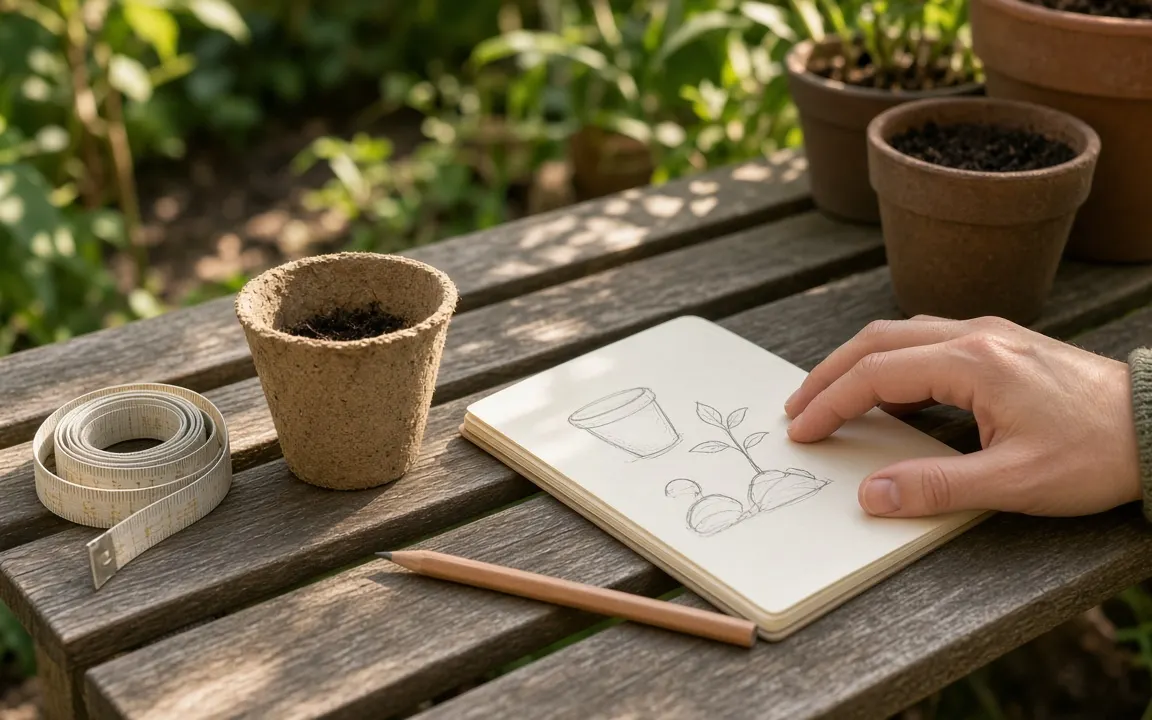
Where to start
Which tool to open first
If you know you want a tree, start with the tree finder. If the ashes are already home and you're shopping for a planting or water urn, start with the urn size calculator. If you're still deciding between flame cremation, water cremation and burial, the options comparison is the place to begin.
Each tool has its own page with a worked example and an explanation of how it calculates, so you can check the reasoning. None of them needs an account, and nothing you type is sent anywhere.
A worked example
How the tools fit together for one real plan
Say your 45 lb Border Collie mix has been cremated and you'd like a memorial tree in a temperate backyard, but you might move in a few years. Here's how the tools work together.
- Urn size calculator. At 3 to 5% of body weight, expect roughly 1.4 to 2.3 lb of ash, needing an urn of about 50 cubic inches. That rules out several small planting kits.
- Tree finder. Temperate climate, small yard, flowering: you might see a serviceberry, a flowering dogwood or a redbud, with notes on which tolerate alkaline soil.
- Options comparison. Already cremated, so you skip it, or use it later to plan ahead for another pet.
- Budget planner. Add a planting urn, a nursery sapling, two bags of compost and a small stone to see the total.
- Farewell planner. Choose a weekend, invite the neighbours' kids who walked the dog, and print the checklist.
Because you might move, you could split the ashes: most go to a large patio container that can travel, and a little is kept back for a future garden. Our container and garden options explain how.
Tool 1
Memorial tree finder: a tree that suits your climate
Choose your climate (cold, temperate, warm or hot and dry), the space you have, from a pot to a large yard, and whether you'd like flowers, fruit, evergreen foliage or shade. You get three to five suggestions with notes on size, water needs and how well each copes with alkaline soil, which matters because ash tests at a pH of about 11.7[2]. Full notes are on the tree finder page. It works from broad climate bands, so check your exact zone on the USDA plant hardiness zone map as well.

Free tool
Memorial tree finder
Pick a tree for a planting urn that suits your climate, space and pet.
Tool 2
Urn size calculator: will the ashes fit the kit?
Enter your pet's weight and it applies the long-standing urn rule of one cubic inch per pound, plus a margin. By our calculation using that rule, a 12 lb cat and a 70 lb dog need 12 cu in (cat); 70 cu in (dog)[3]. Many planting urns are sized for small or medium pets, so this is the quickest way to spot a kit that's too small. See the urn size calculator.
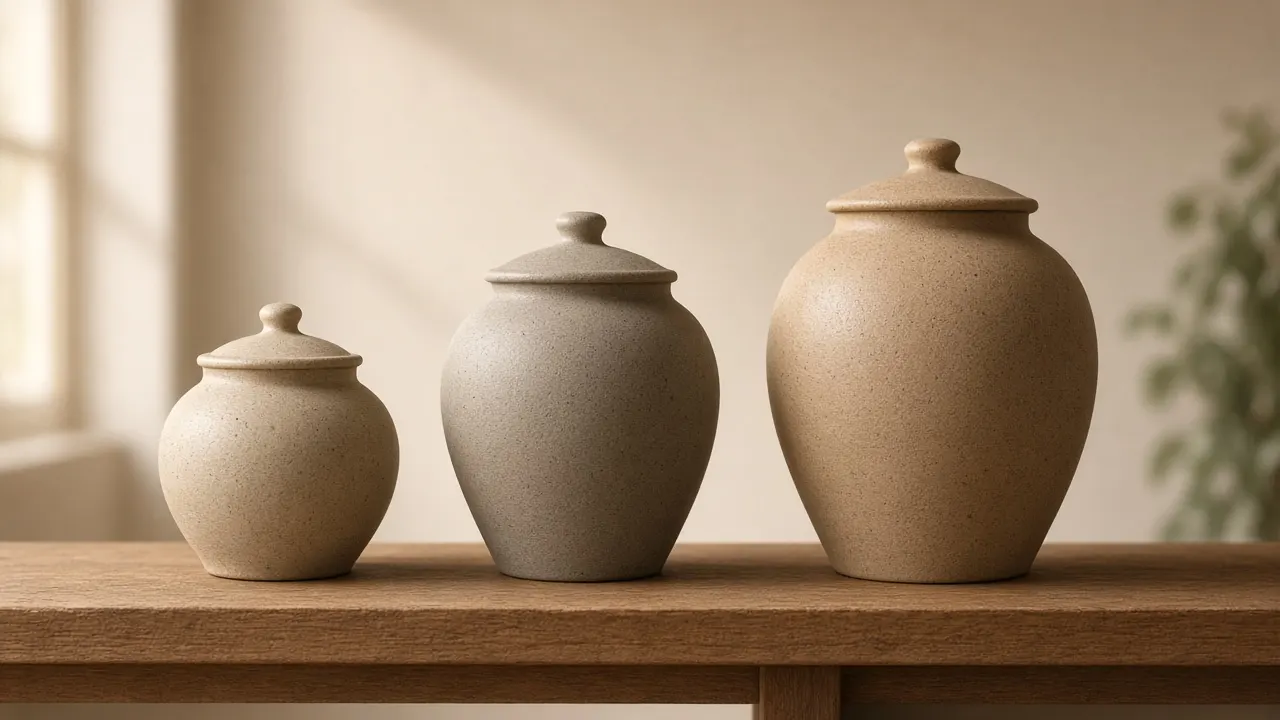
Free tool
Urn size calculator
Find the urn volume you need from your pet's weight, plus keepsake and sharing options.
Tool 3
Aftercare options compared: flame, water or burial
Move sliders for what matters to you: cost, keeping the ashes, environmental impact, speed and having a ceremony. The tool ranks private and communal flame cremation, water cremation, home burial and pet cemetery burial. One insurer lists US aquamation at $80 to $450[4], overlapping the flame cremation prices in the same guide (communal $30-200; private $100-500+[4]), so it's often closer in price than people expect. Details on the comparison page. For background on how water cremation works and where it's permitted for people, the Cremation Association of North America keeps a plain summary.

Free tool
Aftercare options compared
Compare private, communal and water cremation with burial on cost, timing and what comes home.
Tool 4
Memorial budget planner: the whole cost in one place
Tick the items you're planning, such as the cremation, a planting urn, a sapling, soil amendments and a garden stone, and adjust each low and high figure. The running total helps you see where the money goes. For context, private dog cremation in the US averages about $260[5]. Open the budget planner.

Free tool
Memorial budget planner
Add up cremation, urn, keepsakes and a farewell so the total holds no surprises.
Tool 5
Memorial stone planner: words that fit the marker
A small garden stone has room for a name, dates and a few words, not a paragraph. Pick the size, the material and how many lines you'd like, and the planner shows how many characters fit and previews the layout. It's handy for marking a tree or garden bed so visitors know whose it is. Try the memorial stone planner.
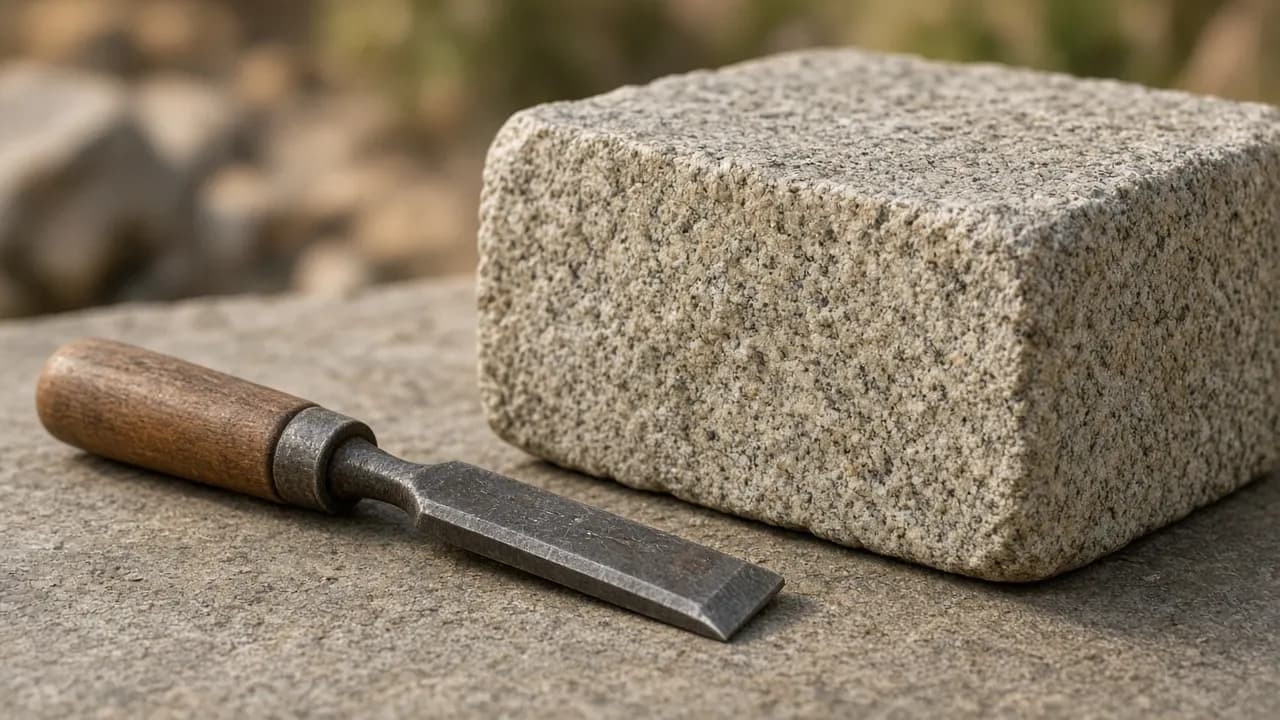
Free tool
Memorial stone planner
Plan size, material and engraving length so your wording fits the stone.
Tool 6
Farewell planner: shaping the planting day
A planting gives everyone a job: digging, mixing the soil, watering in, reading something short. The farewell planner helps you decide who to invite, where, which rituals to include and what to bring, then prints a simple checklist. Our tips on involving children in a planting ceremony pair well with it. Start the farewell planner.
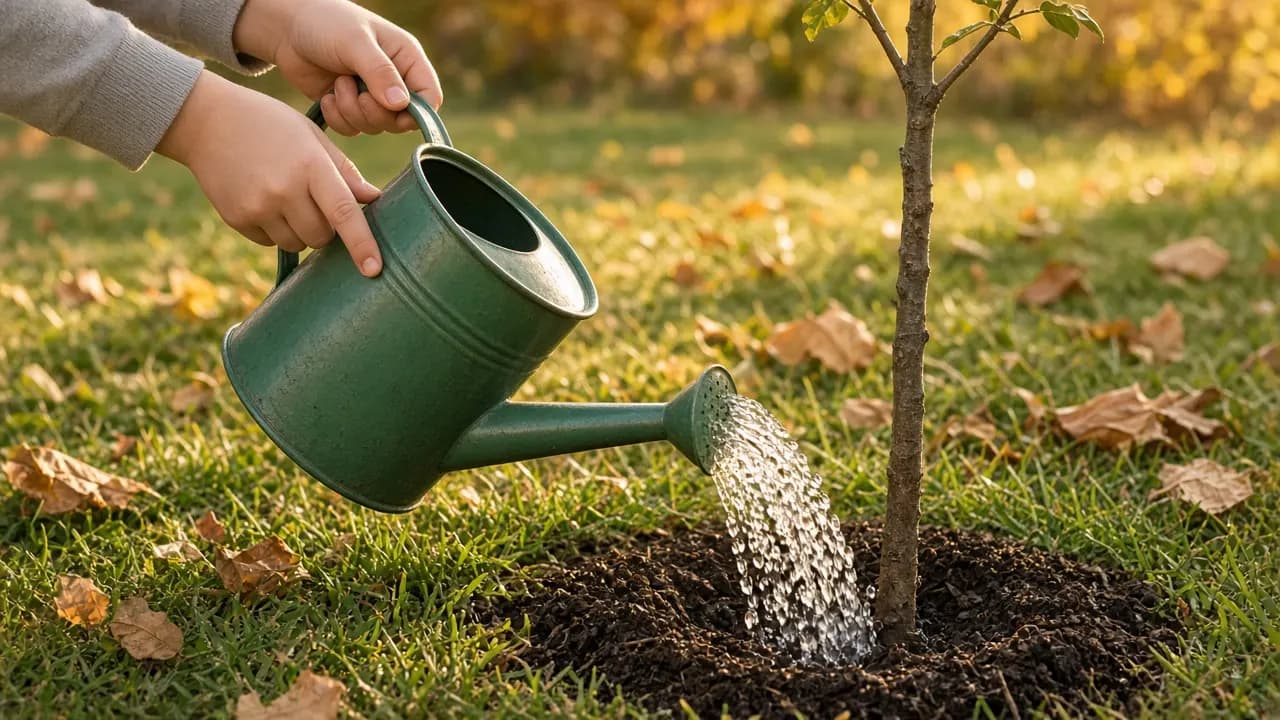
Free tool
Farewell & memorial service planner
Build a simple goodbye: who, where, readings, rituals and a checklist.
The honest limits
What the tools can't tell you
The tools don't know your soil, your microclimate or your landlord. They can't tell you whether a particular maker's urn really holds what it claims, whether a lake has scattering rules, or whether a tree will survive the heat wave you'll get in its second July. For those, a pH test, a local nursery and a quick call to the right office do more than any calculator.
If you'd like help with the parts no tool can do, send us your plan and we'll reply with what we'd check next. For region-specific notes, start from our location pages, and see how other readers are planning on the poll results page.

Reader polls
What would you choose?
Vote anonymously and see how other readers answered. The results are live counts from people who visit this site, so they show real opinions, not a scientific sample.
What kind of tree or plant would you choose?
Tap an answer to vote and see how others answered. Anonymous.
Which living memorial feels most like your pet?
Tap an answer to vote and see how others answered. Anonymous.
Would you pre-pay for aftercare while your pet is still healthy?
Tap an answer to vote and see how others answered. Anonymous.

Free tools to help you plan
Memorial tree finder
Pick a tree for a planting urn that suits your climate, space and pet.
Urn size calculator
Find the urn volume you need from your pet's weight, plus keepsake and sharing options.
Aftercare options compared
Compare private, communal and water cremation with burial on cost, timing and what comes home.
Memorial budget planner
Add up cremation, urn, keepsakes and a farewell so the total holds no surprises.
Memorial stone planner
Plan size, material and engraving length so your wording fits the stone.
Farewell & memorial service planner
Build a simple goodbye: who, where, readings, rituals and a checklist.
Questions people ask
Are these tools accurate enough to order an urn?
They're accurate enough to rule out urns that are clearly too small and to shortlist sensible sizes. Actual ash volume varies with your pet's build and the cremation method, so if you're close to a size limit, choose the next size up or ask the maker for the exact capacity.
Do the tools store my information?
No. The calculations run in your browser and nothing you type is sent to us or anyone else. If you'd like a person to look at your plan, use the form at the top of the page instead.
Why doesn't the tree finder suggest my favorite tree?
The list focuses on trees that are widely sold, reasonably tolerant of the alkaline soil ashes create, and suited to the climate and space you chose. A favorite tree that isn't listed may still work; check its hardiness zone and soil preferences with a local nursery before planting.
Can I use the tools if my pet hasn't died yet?
Yes, and many people do. Planning ahead lets you choose a tree in the right planting season and budget calmly. The tools don't ask why you're using them, and there's no pressure to act on the results.


Sources and our estimates
- [1] Embrace notes cremated remains typically weigh about 3-5% of the pet's original body weight. Embrace Pet Insurance - Bury or Cremate Your Dog? Costs, Pros & Cons, 2025.
- [2] Cremated remains have a very high pH of approximately 11.7, which is toxic to plants without amendment. Larkspur Conservation — Giving Cremated Remains a New Life Through Science, 2024.
- [3] Using the industry rule of thumb of 1 cubic inch of urn space per pound of body weight, a 12 lb cat needs an urn of about 12 cubic inches; a 70 lb dog needs about 70 cubic inches. Our estimate: urn cu in = body weight lb x 1 (industry rule of thumb, not a measured value). How we calculate.
- [4] Embrace Pet Insurance lists US communal cremation at $30-$200, partitioned at $50-$250, private at $100-$500+ and aquamation at $80-$450. Embrace Pet Insurance - Bury or Cremate Your Dog? Costs, Pros & Cons, 2025.
- [5] CareCredit's 2025 cost study put the US national average for private dog cremation at $260 (range $206-$473). CareCredit (Synchrony) - How Much Does It Cost To Euthanize a Dog? (2025 ASQ360 procedural cost study), 2025.
Want us to run the numbers for you?
Tell us what you need and where you are. We'll reply by email with clear options and prices so you can decide in your own time.