Greener pet aftercare in Victoria, British Columbia
Interested in a lower-impact goodbye in Victoria? From water cremation to a native tree, here's what's realistic locally and what to ask before you buy anything.
- Planting, garden and water urns compared
- Honest notes on local rules
- Help choosing a native species
Victoria, British Columbia
Planning a greener goodbye in Victoria
Close to nine in ten British Columbians are cremated, one of the highest rates in North America, so ashes at home or scattered by the water feel natural here. Some families take a small portion to a beach or headland that meant something and keep the rest in an urn. Nothing needs deciding quickly; sealed ashes keep indefinitely. Many people wait until spring.
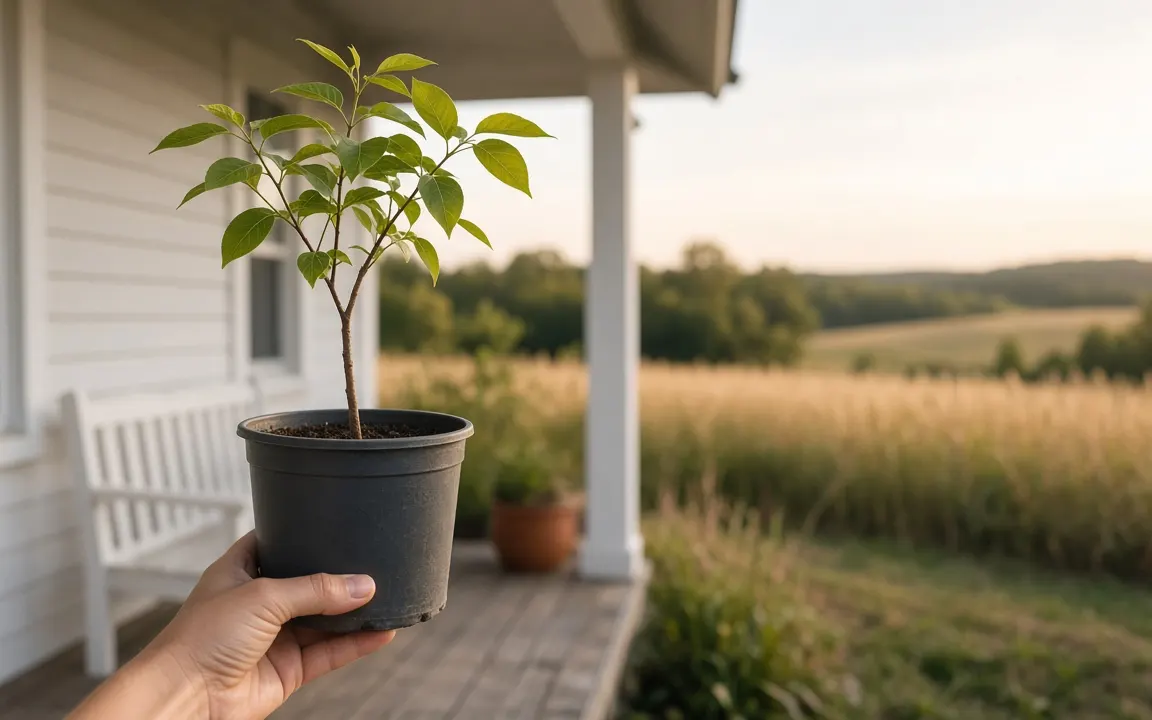
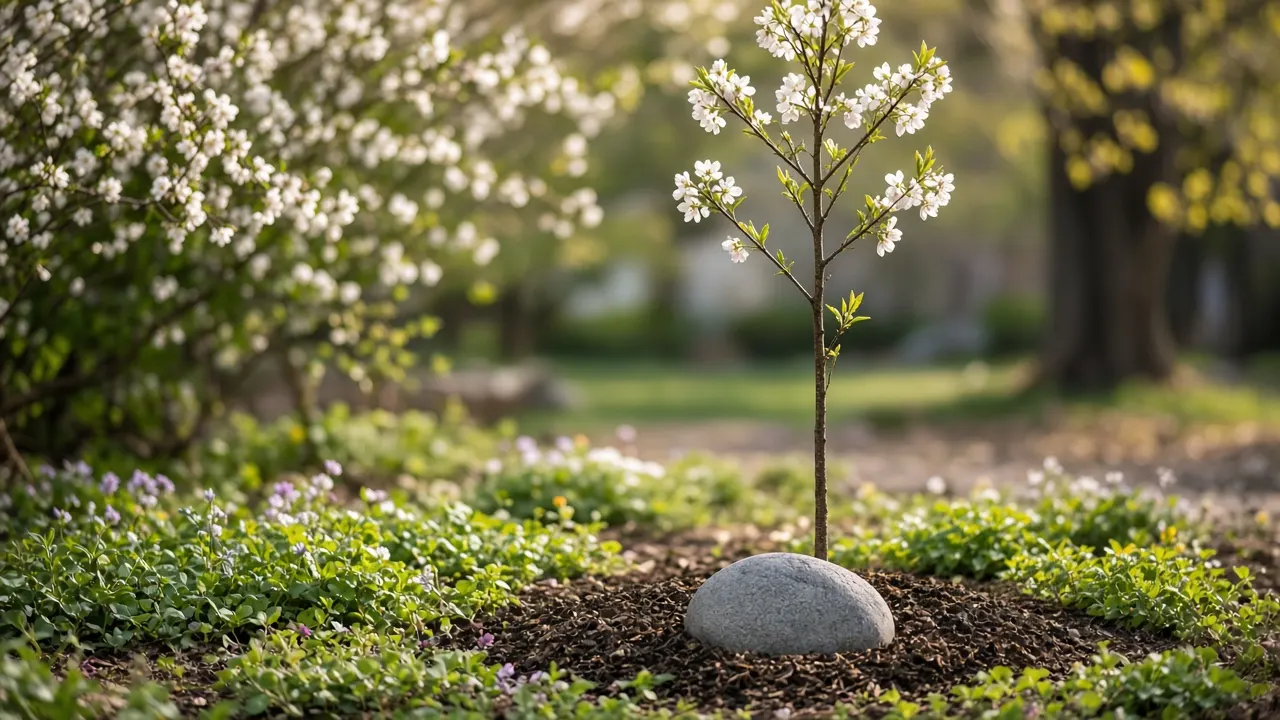
Victoria calls itself the Garden City, and a memorial that grows suits it: a rose, a rhododendron, a Japanese maple or a small fruit tree planted near the ashes. The mild coastal climate means most plants settle in easily. For a condo balcony, a sheltered planter works, and indoors a small urn, a clay paw impression or a pendant takes almost no space.
Horses, cattle, goats and sheep often share the land in the country around Victoria, and some trees are dangerous to them. Wilted red maple leaves are toxic to horses, and yew is poisonous to most livestock. If the memorial will stand near a pasture or fence line, ask a vet or the local extension office which species are safe for the animals that graze nearby.
With roughly 92,000 residents, Victoria is the 4th-largest of the 6 British Columbia communities we cover. Surrey, roughly 53 miles off, is the closest larger centre, and a share of the providers who cover Victoria run from there.
Victoria sits within easy reach of Surrey (53 miles, a larger centre), Vancouver (60 miles, a larger centre) and North Vancouver (63 miles). A provider based in any of them will usually collect from Victoria; ask what the mileage adds to the bill.
87%[1]
British Columbia's cremation rate is estimated at about 87%, the highest in Canada.
$15–$80[2]
Memorials.com's pet urn cost guide puts biodegradable pet urns at $15–$80.
$119[3]
The Living Urn's pet bio-urn planting system (without a tree) costs $119.
communal $30-200; private $100-500+[4]
Embrace Pet Insurance lists US communal cremation at $30-$200, partitioned at $50-$250, private at $100-$500+ and aquamation at $80-$450.
The numbers above come from Memorials.com and The Living Urn, if you'd like to read the original sources.
Why cremation culture in British Columbia shapes your options
With a human cremation rate near 87%[1], British Columbia has plenty of crematories competing for families, and that tends to show in the choice on offer. Ask more than one pet provider what they include. Some return ashes in a simple cardboard or paper tube, some add a wooden urn you may not want, and a few can quote for water cremation. The cheapest honest quote is usually the one you can plant from.
Source for the British Columbia number: DFS Memorials 'Cremation Nation' (estimate citing CANA) (2025). Nobody publishes a pet cremation rate for Victoria, so the human figure is the best local signal available.
What Victoria's climate means for a living memorial
If you're planning a water release near Victoria, check the season as well as the rules. Rough water, ice or crowded summer beaches all make a quiet release harder. A calm, early-morning weekday is usually best, and it's worth visiting the spot beforehand so you know where to stand and how to get down to the water safely.
What bio urns and aquamation cost in Victoria
Water cremation for people is legal in some provinces, including Saskatchewan, Ontario and Quebec[5], while Alberta, British Columbia, New Brunswick, Nova Scotia and PEI have no legislation for it[6]. Pet rules often differ from human ones, so the only reliable check in Victoria is to ask local pet crematories whether they offer aquamation. The table shows published US prices as a guide.
We keep the detailed British Columbia price table on one page so it stays current: see British Columbia prices.

Free tool
Memorial budget planner
Add up cremation, urn, keepsakes and a farewell so the total holds no surprises.
Scattering and planting rules in British Columbia
Two questions cover most situations in British Columbia: who owns or manages this land or water, and have they said yes? For your own garden, the answer is you. For a rented home, it's your landlord, in writing. For parks and public water, it's the relevant agency. For a relative's garden, it's them, and it's worth agreeing that the tree stays even if the house is sold.
In Canada, human water cremation is legal in several provinces, with Saskatchewan the first to approve it in 2012[8], while others have no legislation. Pet aquamation follows its own path, so ask local crematories. Hardy natives such as serviceberry, bur oak or white spruce suit much of the country, and frozen ground means many memorial plantings wait for spring.
The rules that apply across British Columbia (home burial, scattering and who oversees pet cremation) are summarized on our British Columbia page. Victoria may add its own conditions, so check with the city or county before digging.
How to plan a living memorial, in order
- Talk it through with your household before deciding anything, since someone may quietly prefer the ashes to stay indoors.
- Measure your space. Trees spread more than people expect; in a smaller garden a shrub, a big pot or a border may be the kinder fit.
- Test the soil at the planting site. Ground that already reads alkaline calls for a species that tolerates lime, plus more compost or composted bark than usual.
- Spread the ashes through a wide planting area, not in one band directly beneath the root ball.
- Water well for two summers. It's drought in the early years, not cold, that kills the majority of memorial trees that don't make it.
- Keep a record of the species, the date and what went into the soil, so you can care for it or move a cutting later.
Living memorials beyond the backyard
Victoria has a large retired population whose children often live on the mainland, in Alberta or overseas. A shared memorial can bridge that distance: one urn stays in the family home and small keepsake vessels travel with visiting relatives, often in carry-on luggage. Keep each one sealed and labelled, and carry a note of what it holds for airport screening.
the planning tools turn your pet's details into figures, the guides answer the longer questions and the blog the newer ones, For a plain comparison of the choices, open services, or look at how readers voted in our polls. You can also browse every city in Canada. Nearby, we also cover Vancouver, Kelowna, West Vancouver and North Vancouver, and every city in British Columbia.

Reader polls
What would you choose?
Vote anonymously and see how other readers answered. The results are live counts from people who visit this site, so they show real opinions, not a scientific sample.
If you rent or might move, how would you handle a memorial planting?
Tap an answer to vote and see how others answered. Anonymous.
If water cremation (aquamation) were offered near you, would you choose it?
Tap an answer to vote and see how others answered. Anonymous.
If you had to decide today, which aftercare would you choose for your pet?
Tap an answer to vote and see how others answered. Anonymous.

Free tools to help you plan
Memorial budget planner
Add up cremation, urn, keepsakes and a farewell so the total holds no surprises.

Memorial tree finder
Pick a tree for a planting urn that suits your climate, space and pet.

Aftercare options compared
Compare private, communal and water cremation with burial on cost, timing and what comes home.
Questions people ask
Can a provider from a neighbouring town collect from Victoria?
Usually yes. Surrey is about 53 miles away, Vancouver is about 60 miles away and North Vancouver is about 63 miles away, all inside a normal collection radius. Get the mileage written into the quote so there is no surprise on the day.
Is cremation common in British Columbia?
For people, yes: about 87%[1] of British Columbia deaths end in cremation, according to DFS Memorials 'Cremation Nation' (estimate citing CANA) (2025). Nobody publishes the same figure for pets, but in our experience pet choices in Victoria follow the human pattern closely, so cremation is the default most families here start from.
Where are the providers that serve Victoria actually based?
Some are local, and some run from Surrey, about 53 miles away. That is normal for a town this size. What matters is the collection time they quote for Victoria and whether the drive is priced into the total, so ask both up front.
Can I put two pets' ashes in the same bio urn?
Yes, if the urn is big enough and everyone agrees, because once the ashes are mixed they can't be separated. Check the combined amount first: cremated remains weigh about 3-5% of body weight[9], so two large dogs may be too much for a single planting urn. Many families plant two urns close together instead, or set aside a pinch of each animal's ashes in a locket or small jar.
Is there water cremation for pets near Victoria?
It depends on whether a provider nearby has invested in the equipment. Smaller places rarely have their own, but some aquamation providers in larger centres such as Surrey collect from vets across a wide area. Ask your vet whether they work with one. If not, a flame cremation followed by a bio urn still gives you a living memorial.
How long does a water-soluble urn take to dissolve?
Most are made from salt, sand, paper or gelatin and dissolve within minutes to hours once they sink. Some float briefly first, long enough for a few words: one maker's water urn floats for several minutes before dissolving[10]. Calm water gives the best result, so check the forecast for wind before you go.


Sources and our estimates
- [1] British Columbia's cremation rate is estimated at about 87%, the highest in Canada. DFS Memorials 'Cremation Nation' (estimate citing CANA), 2025.
- [2] Memorials.com's pet urn cost guide puts biodegradable pet urns at $15–$80. Memorials.com – Pet Urn Cost Guide, 2025.
- [3] The Living Urn's pet bio-urn planting system (without a tree) costs $119. The Living Urn – Pet tree urn, 2026.
- [4] Embrace Pet Insurance lists US communal cremation at $30-$200, partitioned at $50-$250, private at $100-$500+ and aquamation at $80-$450. Embrace Pet Insurance - Bury or Cremate Your Dog? Costs, Pros & Cons, 2025.
- [5] CANA says alkaline hydrolysis is legal in Canadian provinces/territories including Manitoba, Newfoundland & Labrador, Northwest Territories, Ontario, Quebec and Saskatchewan. CANA: Alkaline Hydrolysis, 2026.
- [6] Alberta, British Columbia, New Brunswick, Nova Scotia and PEI have no legislation for human aquamation. Eirene: Aquamation in Canada by Province, 2026.
- [7] Each shelter-animal flame cremation emits about 31 kg CO2e on average. Our estimate: 19,000 t CO2e / 607,000 animals. How we calculate.
- [8] Saskatchewan was the first Canadian province to approve aquamation, in 2012; Quebec and Ontario followed in 2015. Eirene: Aquamation in Canada by Province, 2012.
- [9] Embrace notes cremated remains typically weigh about 3-5% of the pet's original body weight. Embrace Pet Insurance - Bury or Cremate Your Dog? Costs, Pros & Cons, 2025.
- [10] The Living Urn's Eco Water Urn for water burial costs $149 and holds up to 225 cubic inches; it floats for several minutes before dissolving. The Living Urn – Eco Water Urn, 2026.
Tell us about your pet and your garden
Tell us what you need and where you are. We'll reply by email with clear options and prices so you can decide in your own time.