Planting your pet's ashes in Saskatoon
Whether you have a backyard, a balcony or only a favorite lake, there's a living memorial that fits life in Saskatoon. We explain the options and can email you local choices.
- Planting, garden and water urns compared
- Honest notes on local rules
- Help choosing a native species
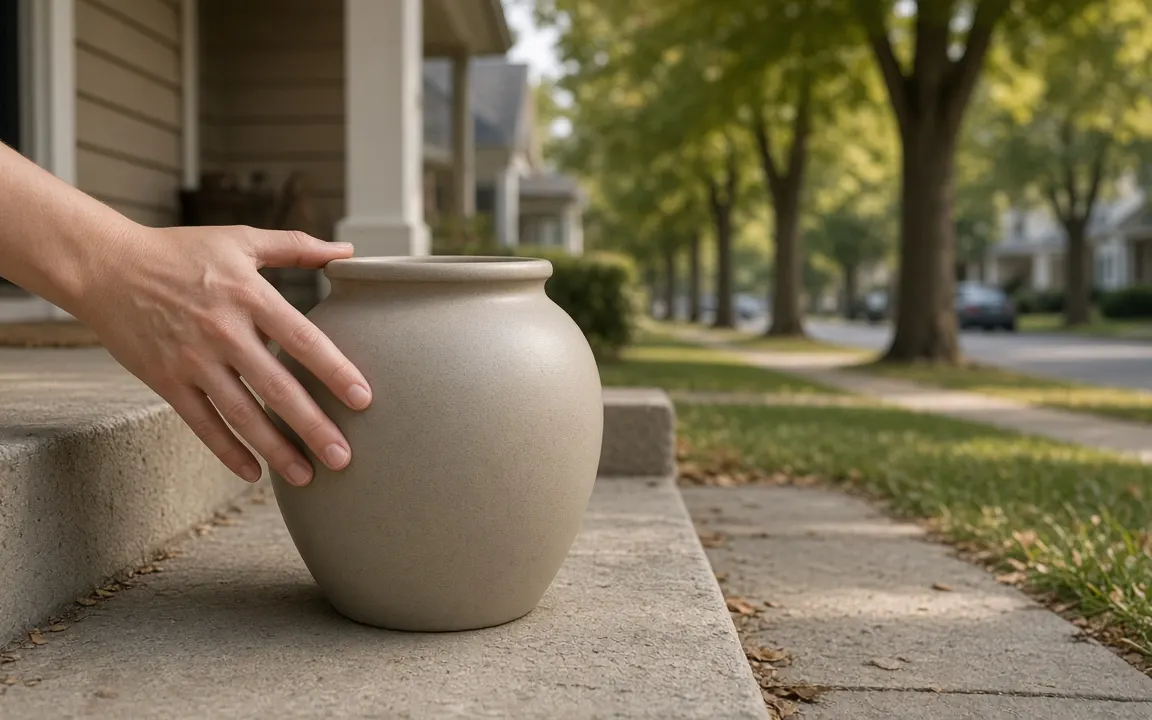
Saskatoon, Saskatchewan
What an eco memorial looks like in Saskatoon
Paw prints, fur clippings and small keepsake urns are popular with Saskatoon families whose relatives are spread across the prairies, from small towns to Calgary. Ask your provider early whether these are included, because prints must be taken before cremation. If you'd like a garden memorial, the late-spring window after the frost lifts is when a stone or tree settles in well.
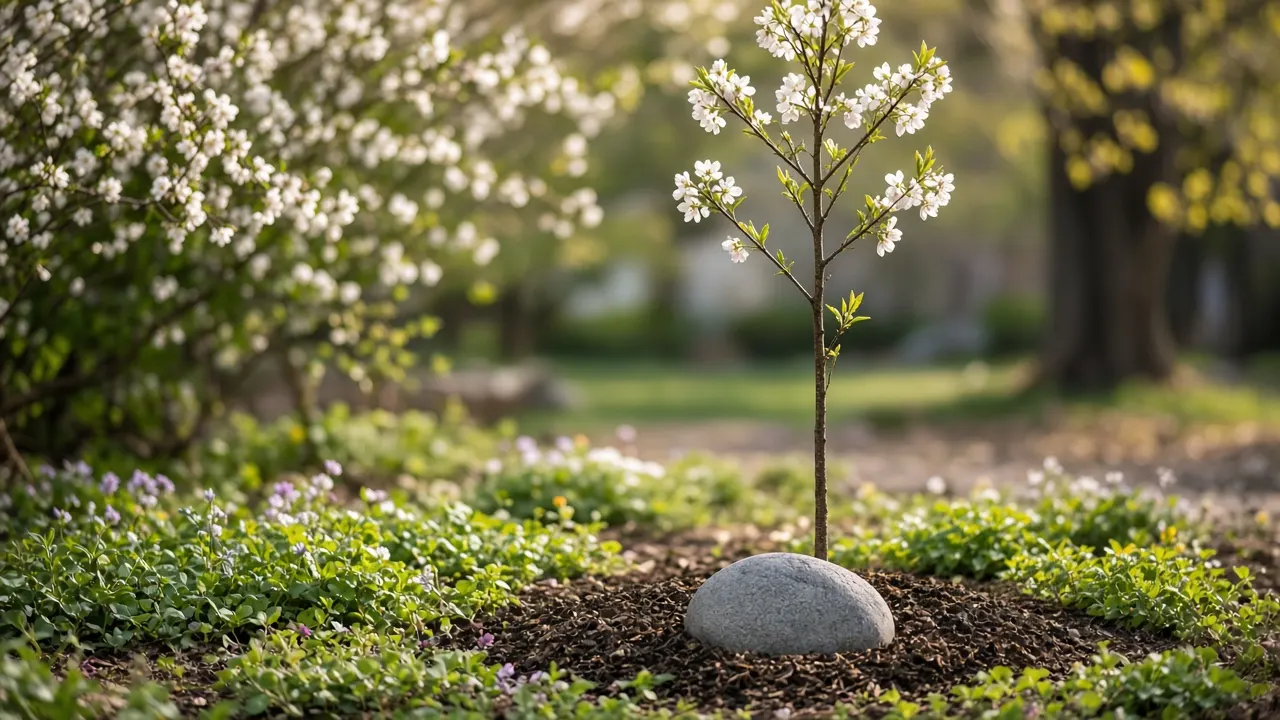
Saskatoon gardens come alive in a short, bright summer, and many families plan a pet's memorial for that season: a stone with a name, a lilac or caragana planted in a bio urn, or a flower bed. Families who rent or may move for work often prefer an indoor urn, a framed paw print or jewelry. Choose the place first, then the object.
If other pets still share your home in Saskatoon, choose the memorial plant with them in mind. Lilies are dangerous to cats, and sago palms, oleander and yew are toxic to dogs and many other animals. A vet or the nursery can confirm which plants are safe. It would be a sad twist for the memorial to harm the animals who are still with you.
With roughly 266,000 residents, Saskatoon is the largest of the 2 Saskatchewan communities we cover.
Saskatoon sits within easy reach of Regina (146 miles). A provider based in any of them will usually collect from Saskatoon; ask what the mileage adds to the bill.
81.1%[1]
CANA projects the Canadian cremation rate will reach 81.1% by 2030.
$15–$80[2]
Memorials.com's pet urn cost guide puts biodegradable pet urns at $15–$80.
$119[3]
The Living Urn's pet bio-urn planting system (without a tree) costs $119.
communal $30-200; private $100-500+[4]
Embrace Pet Insurance lists US communal cremation at $30-$200, partitioned at $50-$250, private at $100-$500+ and aquamation at $80-$450.
To check the figures yourself, see Embrace Pet Insurance and The Living Urn.
Cremation habits in Canada, and what they mean for a bio urn
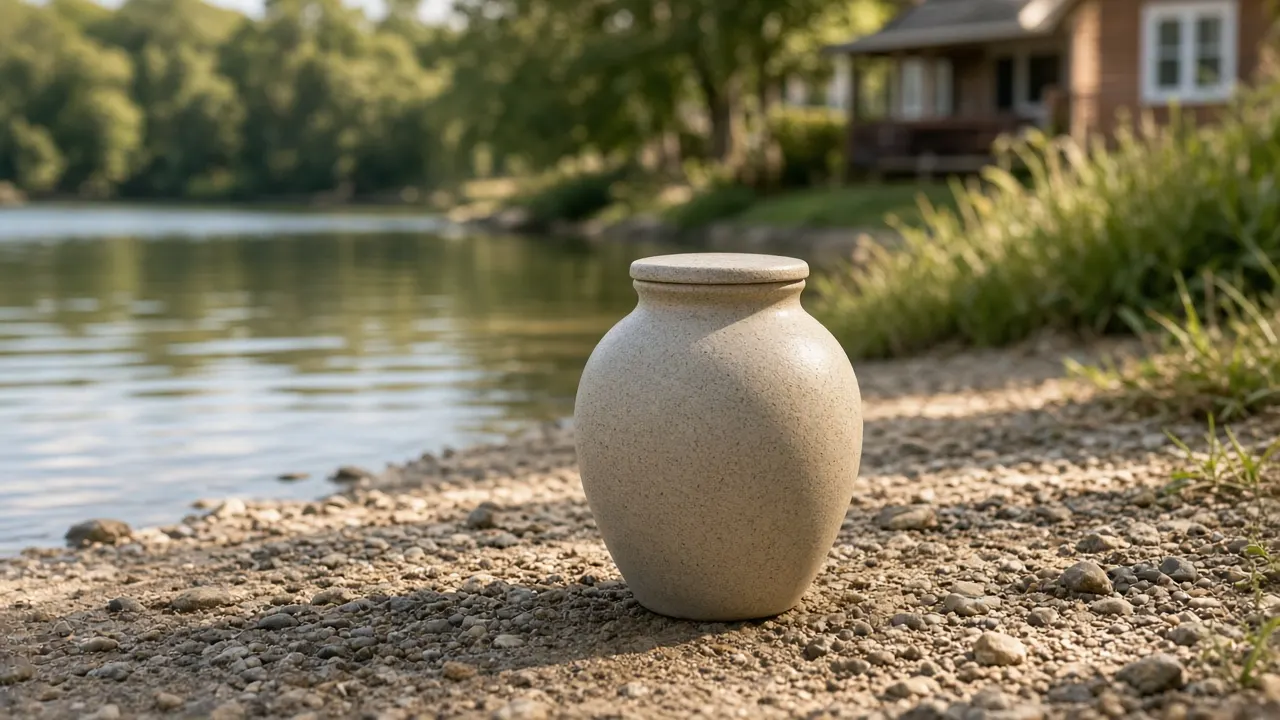
Because cremation is the norm in Canada, at roughly 81.1%[1] of deaths, green ideas about ashes are easy to raise without raised eyebrows. In the US, 68%[5] of people in NFDA's 2024 consumer survey expressed interest in green funeral or natural burial options. If you'd like the lower-impact route for a pet, start with the cremation method, then choose an urn that breaks down and a native plant.
We take the Canada rate from CANA Industry Statistical Information (2030). It is a human statistic; there is no equivalent pet figure for Saskatoon, and we would rather show a real number than invent one.
Seasons, soil and weather for a memorial in Saskatoon
One cautious approach in Saskatoon: plant the memorial in a large pot for its first year and watch how it copes through your hottest and coldest weeks. If it thrives, move it into the ground the following autumn or spring, pot and all removed, with the ash blend around it. If it struggles, you've learned that before committing to a spot.
What a greener goodbye costs in Saskatoon
Canadian bio urn prices broadly follow US ones in Canadian dollars, with shipping added for many online brands, so the US table below is a useful guide. For comparison, a British Columbia crematory lists simple wooden photo urns at CA$68–$88[6] by pet size. In Saskatoon, ask any provider for a written quote in CAD that lists the cremation and the container separately.
The Saskatchewan price table breaks costs down by product; our services page explains what sits behind each line.

Free tool
Memorial budget planner
Add up cremation, urn, keepsakes and a farewell so the total holds no surprises.
Rules worth knowing in Saskatchewan before you scatter
Two questions cover most situations in Saskatchewan: who owns or manages this land or water, and have they said yes? For your own garden, the answer is you. For a rented home, it's your landlord, in writing. For parks and public water, it's the relevant agency. For a relative's garden, it's them, and it's worth agreeing that the tree stays even if the house is sold.
In Canada, human water cremation is legal in several provinces, with Saskatchewan the first to approve it in 2012[8], while others have no legislation. Pet aquamation follows its own path, so ask local crematories. Hardy natives such as serviceberry, bur oak or white spruce suit much of the country, and frozen ground means many memorial plantings wait for spring.
Start with the Saskatchewan rules, which cover burial, scattering and oversight for the whole state, and treat Saskatoon's local ordinances as a possible extra layer.
A simple plan for your pet's eco memorial
- If euthanasia is planned, find out from the practice beforehand which crematory handles their aftercare and whether aquamation is available through them.
- Book the aftercare before the appointment, which leaves the day free for nothing but sitting with your pet.
- Ask for a paw print or nose print ahead of the cremation if you want one; once it's done there's no way to make one.
- Choose the plant in advance when that feels easier. Knowing the exact spot their pet is headed for brings some families real comfort.
- Skip the display urn. The basic tube or box the crematory supplies does the job for planting, and whatever you don't spend can buy a better tree or shrub.
- Prepare the soil blend while you wait for the ashes, so the planting can follow within a season rather than drifting on for years.
Keeping your pet's memory growing in Saskatoon
The Meewasin trails along the South Saskatchewan River, the river valley itself and the wide prairie skies are places many Saskatoon families connect with a pet's life. Scattering on public land has rules, so look into them first. Keeping most of the ashes at home in an urn and carrying a small portion in a pendant or keepsake is a common approach.
Every option Saskatoon families choose between is on the services page, read our guides and latest articles, or compare your instinct with the poll results, try the free planning tools. If you live between Saskatoon and Regina, either page applies. Every other community in Saskatchewan, and all of Canada, is listed too.

Reader polls
What would you choose?
Vote anonymously and see how other readers answered. The results are live counts from people who visit this site, so they show real opinions, not a scientific sample.
What kind of tree or plant would you choose?
Tap an answer to vote and see how others answered. Anonymous.
Would you consider releasing your pet's ashes in water?
Tap an answer to vote and see how others answered. Anonymous.
If you had to decide today, which aftercare would you choose for your pet?
Tap an answer to vote and see how others answered. Anonymous.

Free tools to help you plan
Memorial budget planner
Add up cremation, urn, keepsakes and a farewell so the total holds no surprises.

Memorial tree finder
Pick a tree for a planting urn that suits your climate, space and pet.

Aftercare options compared
Compare private, communal and water cremation with burial on cost, timing and what comes home.
Questions people ask
Why does the Saskatoon page quote a human cremation rate?
Because it is the best local signal we have. CANA Industry Statistical Information (2030) reports about 81.1%[1] of Canada residents are cremated. There is no official pet equivalent, and inventing one would be worse than quoting a real, clearly labelled number.
Can I plant a tree directly on my pet's ashes in Saskatoon?
It's better not to. Cremated remains have a very high pH, around 11.7[9], and they're high in sodium, so a solid layer of ash under the roots can yellow or kill a young tree. Mix the ashes through plenty of compost and soil across a wider area, test the pH, and plant once it has come down. There's no single mixing ratio that suits every pet and every soil.
How long can I keep pet ashes before planting them?
As long as you like. Cremated remains don't break down or spoil in a sealed container, so a planting can happen next month, next year or after a move to a house with a garden. What does break down is a biodegradable urn, so keep the ashes in their original container and only transfer them into the bio urn shortly before planting.
Is it legal to release pet ashes in the sea or a river?
Rules differ by place and by who manages the water, and many were written for human remains. In general, avoid drinking-water reservoirs, busy swimming areas and places where anglers gather, use a water-soluble urn or loose ashes only, and let nothing plastic float away. Ask the relevant agency or landowner before the day.
Can I plant my pet's ashes in a community garden in Saskatoon?
Only with the garden's permission, and many don't allow it because members grow food and share the soil. Ask the coordinator first. If burying isn't allowed, a potted plant beside your plot, a flowering perennial grown in your pet's name without ashes, or a small marker stone are gentler ways to make the space meaningful.
Is pet aquamation legal in Saskatoon?
Rules for pets often differ from those for people. Human water cremation is legal in some provinces, including Saskatchewan, Ontario and Quebec[10], while others have no legislation for it[11]. The reliable check is to ask pet crematories near Saskatoon whether they offer aquamation for animals.


Sources and our estimates
- [1] CANA projects the Canadian cremation rate will reach 81.1% by 2030. CANA Industry Statistical Information, 2030.
- [2] Memorials.com's pet urn cost guide puts biodegradable pet urns at $15–$80. Memorials.com – Pet Urn Cost Guide, 2025.
- [3] The Living Urn's pet bio-urn planting system (without a tree) costs $119. The Living Urn – Pet tree urn, 2026.
- [4] Embrace Pet Insurance lists US communal cremation at $30-$200, partitioned at $50-$250, private at $100-$500+ and aquamation at $80-$450. Embrace Pet Insurance - Bury or Cremate Your Dog? Costs, Pros & Cons, 2025.
- [5] 68% of respondents to NFDA's 2024 Consumer Awareness and Preferences Survey expressed interest in green funeral or natural burial options. NFDA — Green Burial Resources for Funeral Professionals, 2024.
- [6] A Canadian pet crematory (Okanagan Pet Cremation) sells wooden photo urns for CA$68–$88 by pet size, plus CA$15 for a nameplate. Okanagan Pet Cremation – Urns, 2026.
- [7] About 59 million U.S. pet-owning households may be open to eco-friendly aftercare options. Our estimate: 86.9M pet households x 68% interested in green funeral options. How we calculate.
- [8] Saskatchewan was the first Canadian province to approve aquamation, in 2012; Quebec and Ontario followed in 2015. Eirene: Aquamation in Canada by Province, 2012.
- [9] Cremated remains have a very high pH of approximately 11.7, which is toxic to plants without amendment. Larkspur Conservation — Giving Cremated Remains a New Life Through Science, 2024.
- [10] CANA says alkaline hydrolysis is legal in Canadian provinces/territories including Manitoba, Newfoundland & Labrador, Northwest Territories, Ontario, Quebec and Saskatchewan. CANA: Alkaline Hydrolysis, 2026.
- [11] Alberta, British Columbia, New Brunswick, Nova Scotia and PEI have no legislation for human aquamation. Eirene: Aquamation in Canada by Province, 2026.
Get eco memorial ideas by email
Tell us what you need and where you are. We'll reply by email with clear options and prices so you can decide in your own time.