Bio Urns & Eco Memorials in Saxony
Whether you have a backyard, a balcony or only a favorite lake, there's a living memorial that fits life in Saxony. We explain the options and can email you local choices.
- A memorial that moves with you
- Why pure ashes harm young roots
- Written prices you can compare
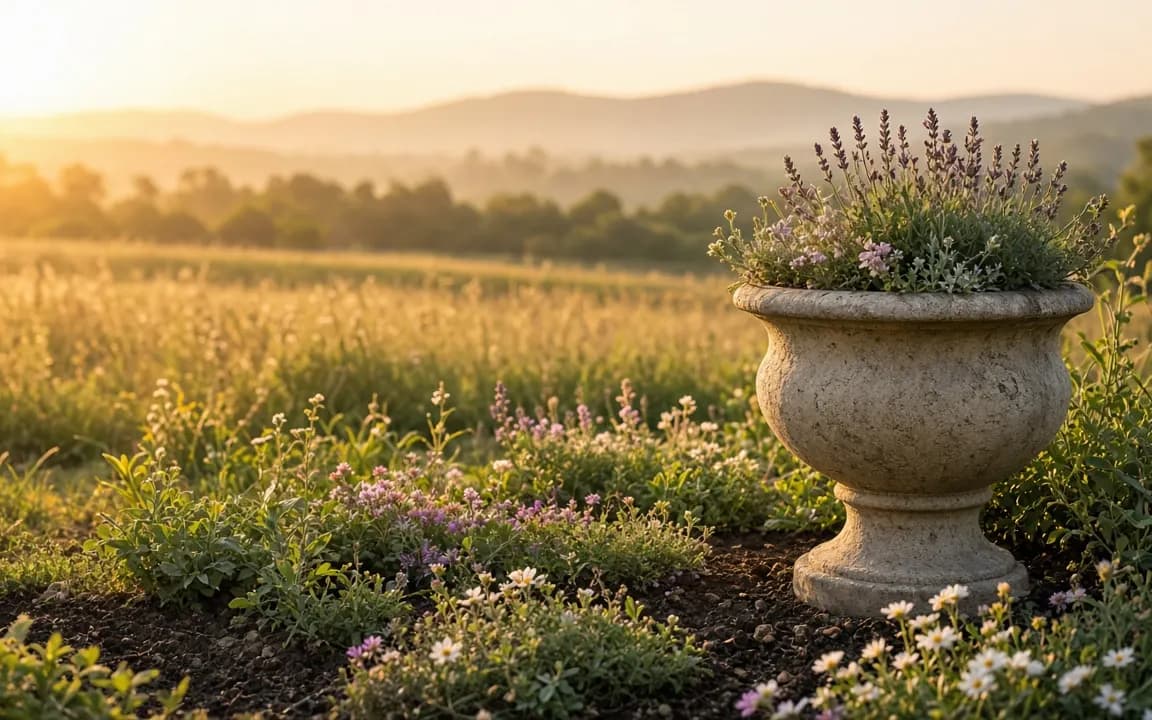
Saxony, Germany
Bio Urns & Eco Memorials in Saxony: what to know
Renters and apartment dwellers in Saxony have more options than they might think. A dwarf tree or flowering shrub in a large pot moves with you, a relative's garden can host a planting, and a water release needs no land at all. Homeowners can plant in the ground, but should still think about whether they'll be there in ten years.
A living memorial in Saxony depends on three local things: the weather, the soil and who manages the land or water you have in mind. The bio urn itself is the easy part, since most are ordered online. The choices that decide whether a memorial tree thrives, which species, which season and how the ashes are mixed, change from one corner of Saxony to another.
We cover 2 communities in Saxony, from Leipzig and Dresden.
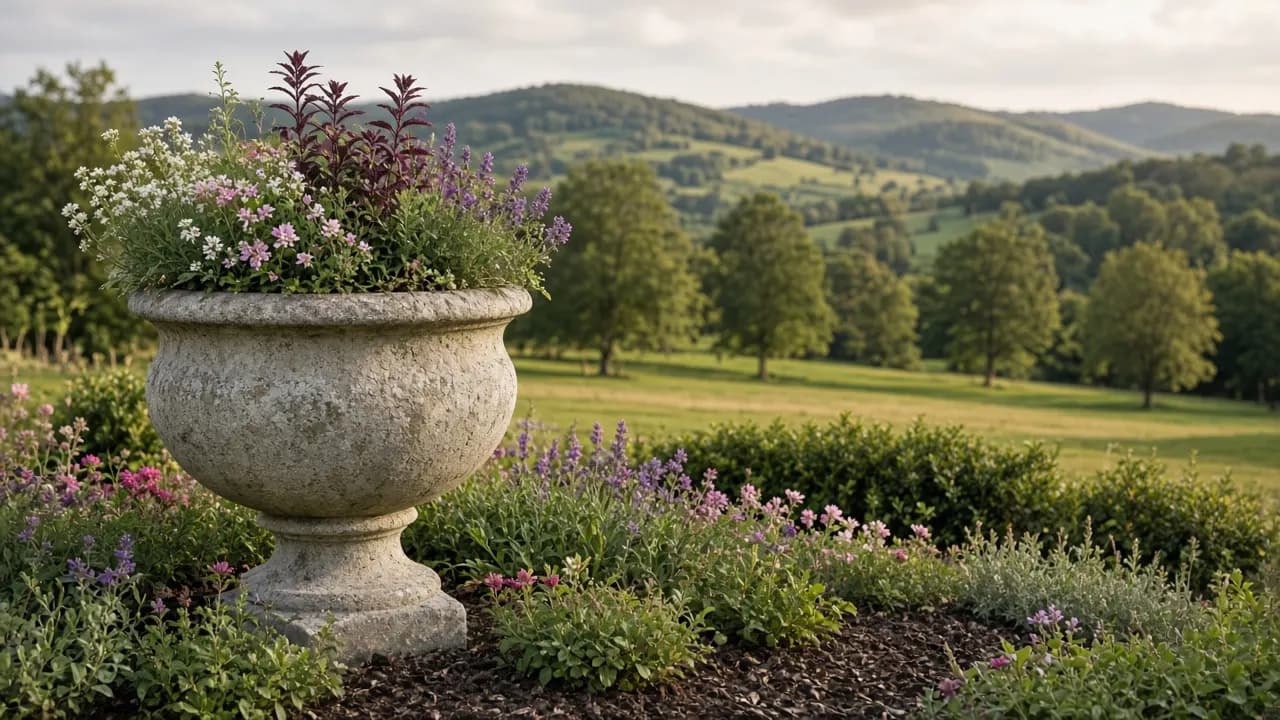

Every Saxony community we cover
Choose your city or town for local prices, weather and timing, and rules. 2 communities in Saxony, largest first below.
What local attitudes to cremation mean in Saxony
Cremation is the usual choice for people in Saxony: about 76.0%[1] of those who die there are cremated. That figure is about people, not pets, but it tells you something useful. Where cremation is ordinary, families already think about what to do with ashes, and planting or scattering is a familiar next step. You're less likely to have to explain a bio urn to relatives, and more likely to find a crematory nearby that returns ashes promptly.
Source for the Saxony figure: Cremation Society of Great Britain, International Cremation Statistics 2023 (2023). It describes human funerals and is here as context, not as a count of pets.
Budgeting for a living memorial in Saxony
Water cremation is new in Europe. The first facility for people opened in Ireland in 2023[2], and Norway changed its law in 2022 so funeral homes can apply to offer it[3]. For pets, availability near Saxony is limited, so most families use a flame cremation and a biodegradable urn afterwards. Ask local crematoria directly whether they offer it.
Germany has roughly 120 pet cemeteries, where a grave costs about EUR 150 to 250[4], and burying pets at home is banned in zones that protect water or nature[5]. That makes ashes buried under a tree at home a practical middle route in many parts of Europe. In Sweden, ashes usually take 2 to 4 weeks to come back[6], so plan the planting around that.
| Country | Collective (no ashes back) | Individual (ashes back) |
|---|---|---|
| Germany | €85 to €205[7] | €165 to €375 |
| France (20 kg dog) | €70 to €120[8] | €150 to €250 |
| Netherlands (dog, average) | about €200[9] | about €300 |
| Bio urn | Not needed: no ashes come back | Bought separately, sized for the ashes |
The published sources behind those figures are deine and Overstappen.nl.

Free tool
Memorial budget planner
Add up cremation, urn, keepsakes and a farewell so the total holds no surprises.
What Saxony allows for ashes, in general terms
Cremated remains aren't a health hazard in the way a body is, which is why planting ashes in your own garden is rarely restricted. Public places are different. Parks, nature reserves, beaches and waterways in Saxony each have a manager with their own policy, and some don't allow scattering or planting at all. A short email before the day saves an awkward conversation.
Germany has strict rules for human ashes, which usually must go to a cemetery, but pet ashes are treated more flexibly and can generally be kept or buried on your own land. Whole-body pet burial needs at least 50 cm of soil and isn't allowed in water or nature protection areas[5]. A planting urn in your own garden avoids most of those questions.
What to do first, and what can wait for the right season
- Confirm the ashes will come back. Communal cremation usually means no ashes are returned, and you can't plant what you don't receive.
- Pick the type of bio urn: one that grows a tree, a simple biodegradable urn to bury in a quiet bed, or a floating urn meant for a lake, river or the coast.
- Ask permission from the landowner, landlord or park manager for anywhere that isn't yours.
- Plan for the weather. Around Saxony, skip days when the soil is rock-hard, frozen or sodden, and wait for still, gentle conditions to plant or release.
- Release gently on water. Set the urn on the surface, let it float and sink on its own, and add only loose petals.
- Come back in a year. Replace mulch, check the tree's growth and take a photo to mark the anniversary.
Remembering your pet, in Saxony and wherever you go next
A memorial doesn't have to be private. Some people in Saxony donate a tree or a planting day to a local shelter, rescue or community garden in their pet's name, without any ashes involved. It gives the memory a public, living form and helps other animals at the same time.
From here: services and prices, the free tools, what readers voted in the polls, or the map of every location.

Reader polls
What would you choose?
Vote anonymously and see how other readers answered. The results are live counts from people who visit this site, so they show real opinions, not a scientific sample.
Would you consider releasing your pet's ashes in water?
Tap an answer to vote and see how others answered. Anonymous.
If you rent or might move, how would you handle a memorial planting?
Tap an answer to vote and see how others answered. Anonymous.
If you had to decide today, which aftercare would you choose for your pet?
Tap an answer to vote and see how others answered. Anonymous.

Free tools to help you plan
Memorial budget planner
Add up cremation, urn, keepsakes and a farewell so the total holds no surprises.

Memorial tree finder
Pick a tree for a planting urn that suits your climate, space and pet.

Aftercare options compared
Compare private, communal and water cremation with burial on cost, timing and what comes home.
Questions people ask
What if my soil in Saxony is chalky or alkaline?
Ashes will make it more so. Mix them with extra compost or composted bark, choose a lime-tolerant tree or shrub, and test the pH before planting. On very chalky ground, a raised bed or large container with bought-in soil gives you more control.
When should I plant a memorial tree in Saxony?
Plant in the mildest part of your local year, when the ground isn't frozen, baked dry or waterlogged. In cold areas that usually means spring after the thaw or early autumn; in hot areas, the cooler months. Ashes can wait safely at home, so choose the season that suits the tree.
Can a pet's ashes be buried with a person's ashes in Saxony?
It depends on the cemetery or burial ground. Many human cemeteries don't accept animal remains, though some allow a pet's ashes to be placed in an owner's grave or plot. On your own land, combining ashes in one planting is generally a private decision. Ask the cemetery directly and get their answer in writing.
Can I scatter pet ashes on public land in Saxony?
Often only with permission. Parks, forests, beaches and waterways are each managed by an authority with its own policy, and some prohibit scattering entirely. Contact the land manager, explain that it's a small amount of pet ash, and ask whether there's a preferred spot. Private land always needs the owner's consent.
When will I get my pet's ashes back in Saxony?
Our estimate from published return times is a conservative window of 3 to 14 days, with express services sooner and a few providers taking up to four weeks[11]. Ask your provider for their usual time. There's no rush to plant, so the return date matters less than choosing the right season for the tree.
Is pet aquamation available in Saxony?
In some places, most often in and around larger cities. Pet providers have adopted water cremation faster than human funeral homes, but availability depends on whether a provider near you has the equipment. Ask local pet crematories directly, or tell us your town and we'll check which providers serve it.

Sources and our estimates
- [1] In 2023, 76.0% of deaths in Germany were cremated (164 crematoria). Cremation Society of Great Britain, International Cremation Statistics 2023, 2023.
- [2] Europe's first water cremation facility, Pure Reflections, opened in Navan, Co. Meath, Ireland, in January 2023. RTÉ, 2023.
- [3] Norway amended its Funeral Act in 2022 so funeral homes can apply for authorization to offer water cremation. Resomation Ltd: Where is Resomation permitted, 2022.
- [4] Germany has roughly 120 pet cemeteries nationwide; a pet cemetery grave costs about EUR 150-250. deine-tierwelt.de - Tierbestattung: Diese Moeglichkeiten gibt es und das kosten sie (Nov 2023), 2023.
- [5] German home burial of pets requires at least 50 cm of soil cover and is not permitted in water- or nature-protection areas. deine-tierwelt.de - Tierbestattung: Diese Moeglichkeiten gibt es und das kosten sie (Nov 2023), 2023.
- [6] AniCura Sweden says it normally takes 2-4 weeks for ashes to be returned, sometimes longer. AniCura Sverige - Avlivning och kremering hund, 2026.
- [7] A German consumer guide lists collective pet cremation at EUR 85-205 and individual cremation at EUR 165-375. deine-tierwelt.de - Tierbestattung: Diese Moeglichkeiten gibt es und das kosten sie (Nov 2023), 2023.
- [8] SantéVet lists French dog cremation at EUR 70-120 collective vs EUR 150-250 individual for a 20 kg dog, and EUR 130-180 vs EUR 300-400 for a 50 kg dog. SantéVet - Quel est le prix pour incinérer un chien? (updated Mar 2026), 2026.
- [9] A Dutch comparison site lists collective dog cremation at EUR 49-330 (average EUR 200) and individual at EUR 70-700 (average EUR 300), across 31 Dutch pet crematoria. Overstappen.nl - Kosten crematie hond (updated Jan 2026), 2026.
- [10] About 59 million U.S. pet-owning households may be open to eco-friendly aftercare options. Our estimate: 86.9M pet households x 68% interested in green funeral options. How we calculate.
- [11] Published ashes-return times across the network's markets range from same-day (paid express) to about 4 weeks; a conservative typical window is 3-14 days. Our estimate: min/max across sources: Lambeth 3 days; US 5-10 days; RSPCA QLD within 14 days; AniCura Sweden 2-4 weeks. How we calculate.
Plan a living memorial in Saxony
Tell us what you need and where you are. We'll reply by email with clear options and prices so you can decide in your own time.