Bio Urns & Eco Memorials in Hokkaido
Interested in a lower-impact goodbye in Hokkaido? From water cremation to a native tree, here's what's realistic locally and what to ask before you buy anything.
- When to plant in your season
- How much ash your urn must hold
- Aquamation providers in your area
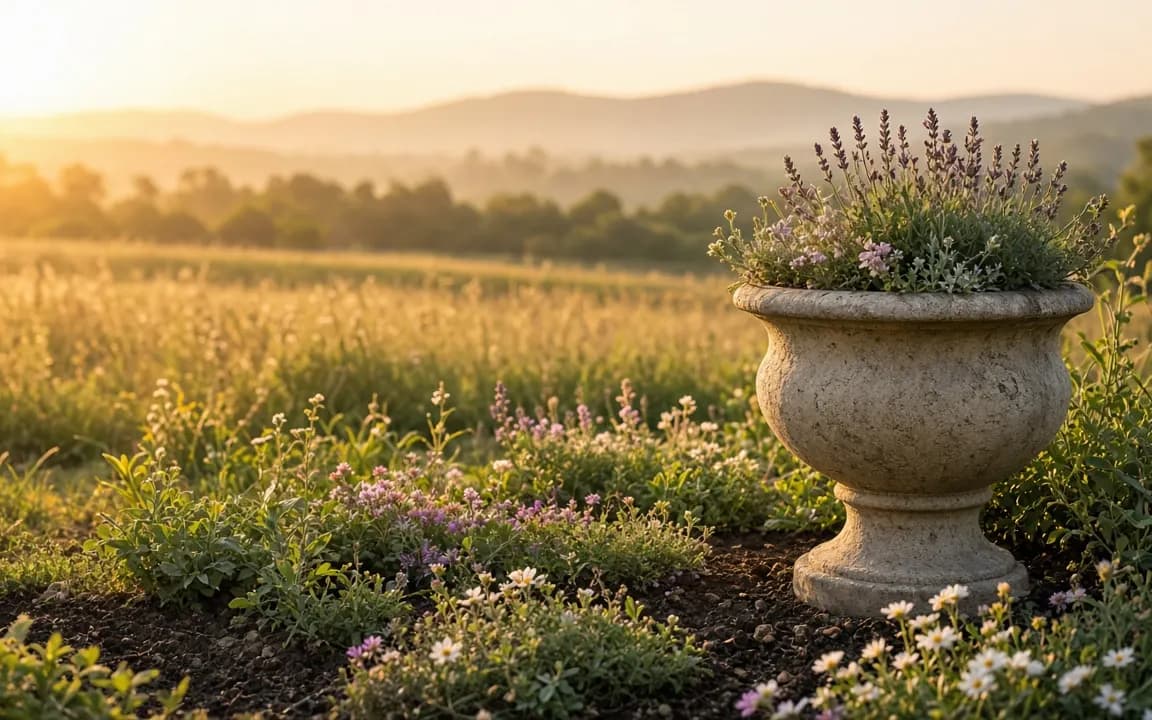
Hokkaido, Japan
Bio Urns & Eco Memorials in Hokkaido: what to know
Freezing winters shape planting across much of Hokkaido: in about of the communities we cover, average lows stay below freezing for three months or more. There, the usual plan is to keep the ashes indoors through winter, prepare the soil mix, and plant once the ground has thawed. Ashes keep safely for as long as you need.
By our estimate, ashes typically come back from a crematory within about 3 to 14 days, though some providers are faster and a few take weeks[1]. Across Hokkaido, that timing rarely lines up with the best planting weather, and it doesn't need to. Ashes wait safely, so the question of when to plant is really about the tree and the season.
We cover 1 community in Hokkaido, from Sapporo.

Every Hokkaido community we cover
Choose your city or town for local prices, weather and timing, and rules. 1 communities in Hokkaido, largest first below.
How Hokkaido feels about cremation
In Hokkaido, about 99.97%[2] of people are cremated, one of the higher rates around. When most human funerals end with ashes, the question "what shall we do with them?" comes up in nearly every family, and a tree, a garden bed or a lake release is a common answer. That familiarity carries over to pets. It also means more crematories to choose from, and more chance that one of them offers water cremation.
That Hokkaido rate is a human statistic published by Cremation Society of Great Britain, International Cremation Statistics 2023 (2023); there is no pet equivalent, so we use it as a signal of how families here already think.
Adding up the cost of a bio urn memorial in Hokkaido
Tokyo shows how wide the spread can be. Shinjuku City collects pets under 25 kg for JPY 3,000, but the ashes are not returned[3]; by our estimate, a private communal cremation for a small pet costs about 4.8 times that[4]. Individual cremation under 5 kg is JPY 22,000 at one memorial park[5]. Only the individual service returns ashes you can plant in Hokkaido.
Pet aftercare in much of Asia is sold as packages, and bio urns are less common than columbarium niches. In Singapore, private cremation runs about SGD 280 for a cat and SGD 480 for a 10 to 20 kg dog, with niches from SGD 300 for the first year[6]. If you'd like a planting or water memorial in Hokkaido, ask for individual cremation with the ashes returned to you.
| Place | Example | What's included |
|---|---|---|
| Singapore (10–20 kg dog) | SGD 260 communal / SGD 480 private[6] | Columbarium niches extra |
| Hong Kong (20–30 kg dog) | HKD 3,000 individual[7] | Basic cremation |
| Tokyo (20–30 kg dog) | JPY 38,500 individual[8] | JPY 60,500 attended, with chanting |
| Bio urn | Bought separately | Ask for ashes in a plain container if you plan to plant |
None of the figures on this this page are ours alone: they rest on Tokyo Animal Memorial Park (東京動物霊園) and Singapore Pet Columbarium.

Free tool
Memorial budget planner
Add up cremation, urn, keepsakes and a farewell so the total holds no surprises.
Scattering and planting rules in Hokkaido
Rules change more often than most people realise, and many local policies about ashes were never written down at all. Treat any general guide for Hokkaido, including ours, as a starting point. Whoever looks after that particular field, park or shoreline is the one whose answer counts, so it's worth getting it by email where you can.
In Japan, burying animals in public places such as parks or forests is illegal[10], so a planting memorial usually means a private garden or a pot on a balcony. Pet temples and memorial parks are common, and many families keep some ashes in a columbarium while planting a small share. Seeds in imported urns may face plant-quarantine checks.
What to do first, and what can wait for the right season
- Talk it through with your household first, especially if anyone would rather keep the ashes at home.
- Measure your space. A tree needs room to grow; a shrub, a pot or a flower bed may suit your garden better.
- Test the soil where you plan to plant. If it's already alkaline, choose a lime-tolerant species and add extra compost or composted bark.
- Spread the ashes through a wide planting area, never as a single layer under the roots.
- Water well for two summers. It's drought in the early years, not cold, that kills the majority of memorial trees that don't make it.
- Keep a record noting which species you planted, when, and how the soil was mixed, so future care or taking a cutting is straightforward.
Remembering your pet, in Hokkaido and wherever you go next
A memorial tree in Hokkaido becomes a calendar of its own: the first leaves, the first flowers, the first year it gives shade. Some families take a photo from the same spot each year. Others tie a ribbon on the tree on their pet's birthday and take it down the next day, so nothing is left to harm the bark.
The services page compares what each option includes, the planning tools turn your animal's details into figures, and the poll results show what other families chose. All locations lists every region we cover.

Reader polls
What would you choose?
Vote anonymously and see how other readers answered. The results are live counts from people who visit this site, so they show real opinions, not a scientific sample.
If you rent or might move, how would you handle a memorial planting?
Tap an answer to vote and see how others answered. Anonymous.
If water cremation (aquamation) were offered near you, would you choose it?
Tap an answer to vote and see how others answered. Anonymous.
If you had to decide today, which aftercare would you choose for your pet?
Tap an answer to vote and see how others answered. Anonymous.

Free tools to help you plan
Memorial budget planner
Add up cremation, urn, keepsakes and a farewell so the total holds no surprises.

Memorial tree finder
Pick a tree for a planting urn that suits your climate, space and pet.

Aftercare options compared
Compare private, communal and water cremation with burial on cost, timing and what comes home.
Questions people ask
Can I scatter pet ashes on public land in Hokkaido?
Often only with permission. Parks, forests, beaches and waterways are each managed by an authority with its own policy, and some prohibit scattering entirely. Contact the land manager, explain that it's a small amount of pet ash, and ask whether there's a preferred spot. Private land always needs the owner's consent.
Which trees make a good pet memorial in Hokkaido?
Choose a native tree or shrub that already grows well near you and fits the space in twenty years. Species that tolerate slightly alkaline soil cope best with ashes. A local nursery or extension service can suggest a few, and the tree finder tool on this site sorts options by mature size, light and climate.
Are there pet cemeteries in Hokkaido that plant trees over ashes?
Some pet cemeteries and natural burial grounds offer plots for ashes, and a few let families plant something living on top. Ask what the plot costs, whether yearly upkeep fees apply, which urn materials they accept, and what happens to the plot if the cemetery changes hands.
When will I get my pet's ashes back in Hokkaido?
Our estimate from published return times is a conservative window of 3 to 14 days, with express services sooner and a few providers taking up to four weeks[1]. Ask your provider for their usual time. There's no rush to plant, so the return date matters less than choosing the right season for the tree.
How many communities do you cover in Hokkaido?
We have local living-memorial guides for 1 communities in Hokkaido, including Sapporo. Each covers local weather and planting seasons, soil advice, prices for bio urns and aquamation where we have sourced figures, and general notes on scattering and water releases.
What if my soil in Hokkaido is chalky or alkaline?
Ashes will make it more so. Mix them with extra compost or composted bark, choose a lime-tolerant tree or shrub, and test the pH before planting. On very chalky ground, a raised bed or large container with bought-in soil gives you more control.

Sources and our estimates
- [1] Published ashes-return times across the network's markets range from same-day (paid express) to about 4 weeks; a conservative typical window is 3-14 days. Our estimate: min/max across sources: Lambeth 3 days; US 5-10 days; RSPCA QLD within 14 days; AniCura Sweden 2-4 weeks. How we calculate.
- [2] In 2023, 99.97% of deaths in Japan were cremated (1364 crematoria). Cremation Society of Great Britain, International Cremation Statistics 2023, 2023.
- [3] Tokyo's Shinjuku City collects dead pets under 25 kg for a fee of JPY 3,000 per animal; they receive communal cremation and burial at a pet cemetery and ashes are not returned. Shinjuku City (Tokyo) - Animal carcass collection (動物死体の引き取り), 2025.
- [4] In Tokyo, private communal pet cremation for a small pet (JPY 14,300) costs about 4.8x the ward's municipal collection fee (JPY 3,000). Our estimate: 14,300 / 3,000 = 4.77. How we calculate.
- [5] Tokyo Animal Memorial Park charges JPY 14,300 for communal and JPY 22,000 for individual cremation of a pet under 5 kg (tax incl.). Tokyo Animal Memorial Park (東京動物霊園) - Price list, 2026.
- [6] The same Singapore provider lists private cremation at SGD 280 for a cat under 5 kg and SGD 480 for a 10-20 kg dog; columbarium niches start at SGD 300 for the first year with SGD 180 yearly renewal. Singapore Pet Columbarium - Prices, 2026.
- [7] A Hong Kong provider lists basic individual cremation at HKD 1,300 for a 1-5 kg pet and HKD 3,000 for a 20-30 kg dog. PETMENTO (Hong Kong pet funeral provider) - Pet funeral price list, 2026.
- [8] Tokyo Animal Memorial Park charges JPY 30,800 communal, JPY 38,500 individual and JPY 60,500 witnessed (attended, with monk chanting) cremation for a 20-30 kg dog. Tokyo Animal Memorial Park (東京動物霊園) - Price list, 2026.
- [9] Each shelter-animal flame cremation emits about 31 kg CO2e on average. Our estimate: 19,000 t CO2e / 607,000 animals. How we calculate.
- [10] In Japan, communal (goudou) pet cremation is often about half the price of higher-tier individual services, and it is illegal to bury animals in public places such as parks or forests. GaijinPot - When Your Pet Dies in Japan (Feb 2024), 2024.
Tell us about your pet and your garden
Tell us what you need and where you are. We'll reply by email with clear options and prices so you can decide in your own time.