Tree, garden and water memorials in Auckland
Auckland has an estimated 435,000 dog- or cat-owning households. When a planting or water memorial feels right for yours, here's what works in the local climate and what to ask before you buy.
- Options for renters and apartments
- Water release rules in plain words
- No obligation, we reply by email
Auckland, New Zealand
Living memorials in Auckland: the local picture
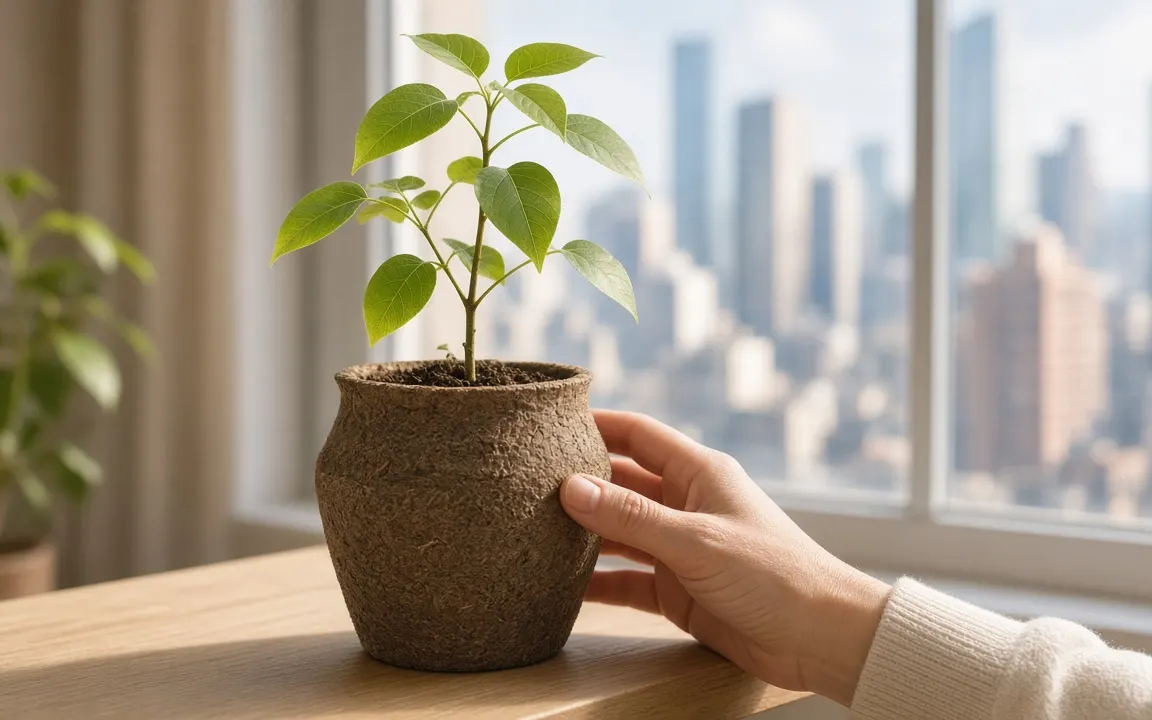
Many Auckland families bury ashes in the garden or plant a tree over them, which suits the region's mild climate and long growing season. Native plants such as a kowhai or a flax are popular choices and do well in local soils. If you rent or expect to move, keep the ashes in an urn until you have a permanent spot, or divide a portion into a keepsake.
Paw prints, nose prints and a lock of fur are simple keepsakes that many Auckland families ask for before cremation. With relatives often spread across New Zealand, Australia and further afield, dividing ashes into small urns or cremation jewellery lets everyone keep a connection. Tell the provider what you would like before the cremation, so the right portions can be set aside.
Big metros are where pet water cremation is most likely to be offered. Aquamation needs specialist equipment, and providers tend to set up where there are enough families to support it, so Auckland residents often have a choice between flame and water cremation that people in small towns don't. If a lower-energy start matters to you, ask about water cremation first, before you choose the urn. The ashes that come back work in any planting or water urn.
Auckland is home to about 1,657,000 people.
Our estimate
435,000
How many dog- or cat-owning households Auckland has (estimate)
How we calculated this
1,657,000 ÷ 2.7 = 613,704 households; × 31% (dog) + 40% (cat) = 435,000. Multi-pet homes count once.
Our estimate
37,000
Estimated dog and cat losses in Auckland each year
How we calculated this
435,000 dog/cat-owning homes ÷ average lifespan (dog: 12.69 yrs + cat: 11.18 yrs) ≈ 37,000 a year. Treat it as a minimum.
31%[1]
31% of New Zealand households have a dog, down from 34% in 2020.
12.69 years[2]
US dogs have an average life expectancy at birth of 12.69 years.
40%[3]
40% of New Zealand households have a cat - cats are NZ's most popular pet.
11.18 years[4]
US cats seen at Banfield hospitals have an average life expectancy at birth of 11.18 years.
To check the figures yourself, see Companion Animals New Zealand, 2024 NZ Pet Data Report and Montoya et al. 2023, Frontiers in Veterinary Science.
Cremation, burial and green choices in New Zealand
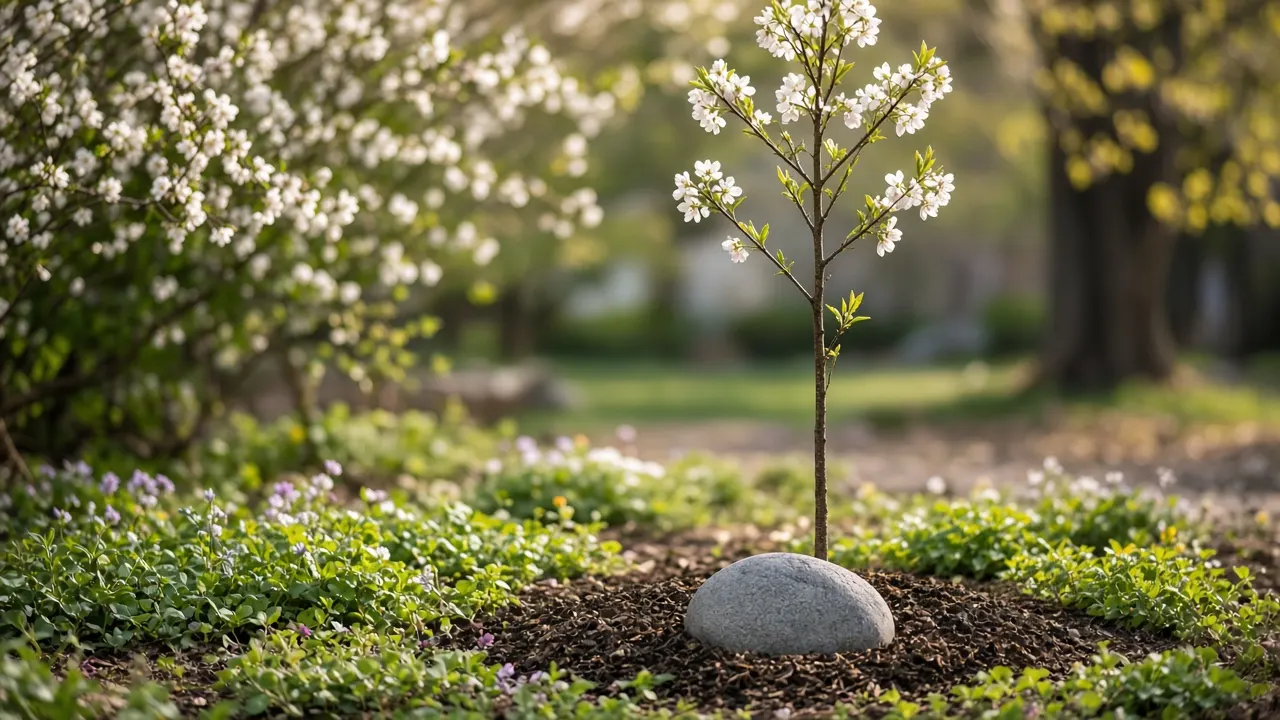
In New Zealand, roughly 69%[5] of people are cremated, a share that has been rising for years. That shift shows in pet aftercare too: more people now ask what to do with ashes, and bio urns are part of the answer. If some relatives prefer burial, a living memorial can be a good middle ground. The ashes go into the ground, just as a burial would, and the tree gives everyone a place to visit.
For the New Zealand figure we rely on The Spinoff, citing FDANZ 2023 Funeral Industry Trends Report (2023). Read it as a picture of local custom around death and remembrance in Auckland rather than as pet data.
When to plant in Auckland's climate
We don't have detailed weather data for Auckland, so use a simple rule: plant a memorial tree in the mildest part of your year, when the ground isn't frozen, baked or waterlogged. A local nursery will know when that is. Ashes can wait safely at home, so there's no need to plant in the wrong season.
Adding up the cost of a bio urn memorial in Auckland
Water cremation for people is legal in only two Australian jurisdictions, New South Wales and the ACT[6], and pet aquamation is still uncommon, so most families in Auckland start with a flame cremation. The ashes work just as well in a planting urn. Communal cremation starts from AUD 80[7] but doesn't return ashes, so choose individual cremation if you want to plant.
We keep the detailed New Zealand price table on one page so it stays current: see New Zealand prices.

Free tool
Memorial budget planner
Add up cremation, urn, keepsakes and a farewell so the total holds no surprises.
Where you can plant or release ashes in New Zealand
What you plant can matter as much as where. Parks and nature reserves in New Zealand often forbid planting anything at all, and even on private land some trees and shrubs are listed as invasive in parts of the region. A local nursery or native plant society can steer you toward a species that won't spread into wild land.
In New Zealand, a native tree or shrub from a local nursery is usually the best living memorial, and seeds from overseas planting kits may be stopped by strict biosecurity rules, so order an urn without seeds. Pet water cremation is rare. Many local councils and iwi have views on ashes near waterways and sacred places, so ask before a river or sea release.
Planting a memorial in Auckland, step by step
- Decide what the memorial is for. A place to visit, something growing, a return to water or a lower-impact goodbye each point to a different choice.
- If a greener cremation matters, ask about aquamation before anything else; it's the step with the biggest environmental difference.
- Keep a small portion back in a keepsake if there's any chance you'll move or want a second planting later.
- Buy the tree locally. A native sapling from a nursery near Auckland will usually outgrow a seed from a kit.
- Prepare the soil a season ahead where you can, and the mixture of compost and ash will have settled by the time you dig the hole.
- Plant with the people who loved your pet; hand everyone a task of their own, whether blending, backfilling or watering.
Ways to mark the spot and the date
Auckland's beaches, harbours and volcanic cones are where many pets spent their happiest hours, and some owners want to scatter ashes there. Several of these places carry deep significance for mana whenua, the local Māori tribes, and scattering ashes may be inappropriate at some sites. Check with the relevant council or park authority first, and consider a quieter garden or private spot instead.
the planning tools turn your pet's details into figures, or see how other readers answered in our polls, look through our guides and the blog, Every option Auckland families choose between is on the services page. More local pages: the New Zealand overview and every city in New Zealand.

Reader polls
What would you choose?
Vote anonymously and see how other readers answered. The results are live counts from people who visit this site, so they show real opinions, not a scientific sample.
If water cremation (aquamation) were offered near you, would you choose it?
Tap an answer to vote and see how others answered. Anonymous.
Would you consider releasing your pet's ashes in water?
Tap an answer to vote and see how others answered. Anonymous.
If you had to decide today, which aftercare would you choose for your pet?
Tap an answer to vote and see how others answered. Anonymous.

Free tools to help you plan
Memorial budget planner
Add up cremation, urn, keepsakes and a farewell so the total holds no surprises.

Memorial tree finder
Pick a tree for a planting urn that suits your climate, space and pet.

Aftercare options compared
Compare private, communal and water cremation with burial on cost, timing and what comes home.
Questions people ask
How do New Zealand attitudes to cremation compare?
The Spinoff, citing FDANZ 2023 Funeral Industry Trends Report (2023) puts the New Zealand human cremation rate at about 69%[5]. We show it on the Auckland page because pet aftercare choices tend to track it: where cremation is normal for people, communal and private pet cremation are both easy to find.
Is Auckland big enough to have several pet aftercare providers?
Probably, on the numbers. By our estimate about 435,000 Auckland households keep a dog or cat and around 37,000 lose one each year, which is enough steady demand to support more than one provider. We derive that from population (about 1,657,000), household size and national ownership and lifespan figures.
Do bio urns work with ashes from flame cremation?
Yes. A bio urn works with ashes from flame cremation or water cremation. Both leave mineral-rich, alkaline ash, so the soil advice is the same either way: dilute the ashes well through compost and soil, let the mix rest if you can, and test the pH before a young tree goes in.
Can I plant a tree directly on my pet's ashes in Auckland?
It's better not to. Cremated remains have a very high pH, around 11.7[9], and they're high in sodium, so a solid layer of ash under the roots can yellow or kill a young tree. Mix the ashes through plenty of compost and soil across a wider area, test the pH, and plant once it has come down. There's no single mixing ratio that suits every pet and every soil.
What native trees suit a pet memorial in Australia or New Zealand?
Choose a native that already thrives near Auckland: a local nursery can suggest small eucalypts, bottlebrush, grevillea or wattle in Australia, or kowhai, manuka and pohutukawa in warmer parts of New Zealand. Natives cope with local heat and dry spells far better than imported seeds, and some of them tolerate the extra alkalinity of mixed-in ashes well.
Can I plant my pet's ashes if I live in an apartment in Auckland?
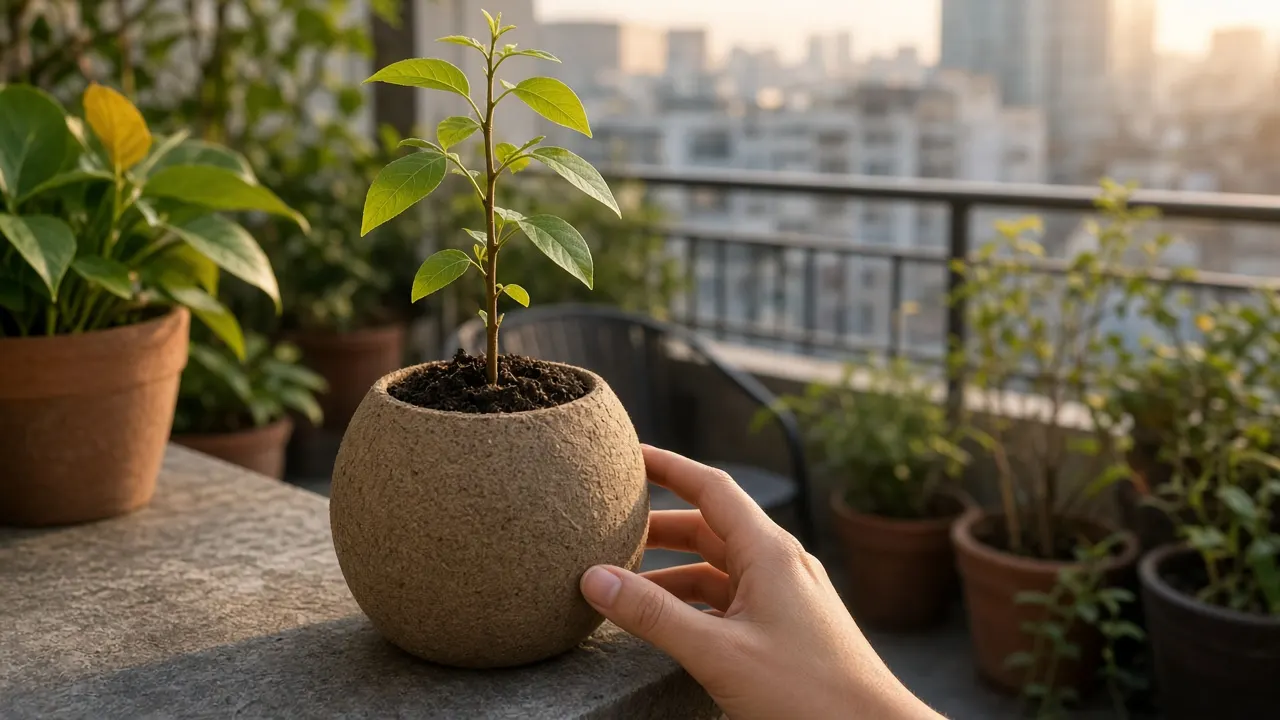
Yes, in a container. A small tree, herb or flowering shrub in a large pot on a balcony can hold a small, well-mixed share of the ashes. Because salts can't drain away as they would in the ground, use only a spoonful or two, water until it drains freely and keep the rest in a keepsake or plant it later.


Sources and our estimates
- [1] 31% of New Zealand households have a dog, down from 34% in 2020. Companion Animals New Zealand, 2024 NZ Pet Data Report, 2024.
- [2] US dogs have an average life expectancy at birth of 12.69 years. Montoya et al. 2023, Frontiers in Veterinary Science - Banfield Pet Hospital life expectancy tables (13.3 million dogs, 2.4 million cats, 2013-2019), 2023.
- [3] 40% of New Zealand households have a cat - cats are NZ's most popular pet. Companion Animals New Zealand, 2024 NZ Pet Data Report, 2024.
- [4] US cats seen at Banfield hospitals have an average life expectancy at birth of 11.18 years. Montoya et al. 2023, Frontiers in Veterinary Science - Banfield Pet Hospital life expectancy tables (13.3 million dogs, 2.4 million cats, 2013-2019), 2023.
- [5] 69% of bodies in New Zealand were cremated in 2023, per the Funeral Directors Association of NZ. The Spinoff, citing FDANZ 2023 Funeral Industry Trends Report, 2023.
- [6] In Australia, human Resomation (water cremation) is legal only in New South Wales and the ACT. Resomation Ltd: Where is Resomation permitted, 2024.
- [7] Australian communal cremation starts from about AUD 80 at the industry low end. Pet Farewell (Australia) - Pet Cremation Cost Australia (2026), 2026.
- [8] If just 10% of U.S. pet cremations moved to aquamation, about 4,200 t CO2e a year would be avoided. Our estimate: 1.5M x 10% x 31.3 kg x 90% reduction. How we calculate.
- [9] Cremated remains have a very high pH of approximately 11.7, which is toxic to plants without amendment. Larkspur Conservation — Giving Cremated Remains a New Life Through Science, 2024.
Get eco memorial ideas by email
Tell us what you need and where you are. We'll reply by email with clear options and prices so you can decide in your own time.