Bio urns and eco memorials in Wellington
Roughly 4,750 Wellington families say goodbye to a dog or cat each year, by our count. A living memorial is one way to mark it. This guide explains how to make one that actually grows.
- Planting, garden and water urns compared
- Honest notes on local rules
- Help choosing a native species
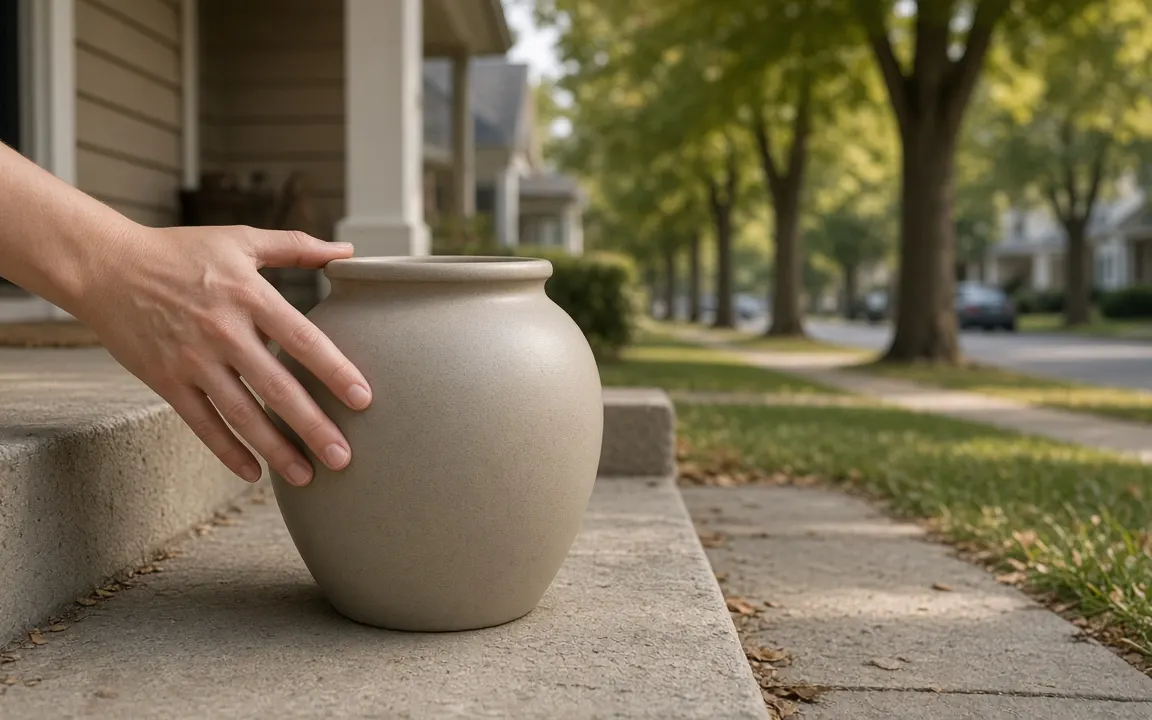
Wellington, New Zealand
Living memorials in Wellington: the local picture
Planting something native is a lovely way to remember a pet in Wellington, whether a kōwhai that flowers yellow in spring, a harakeke flax, or a small tree that attracts tūī. A biodegradable urn can go beneath it, or you can keep the ashes in an indoor urn and plant the tree as a living memorial. Choose a sheltered spot, since Wellington's wind is hard on young plants.
In a Wellington flat or townhouse, a memorial often needs to be compact: a small urn by the window, a framed paw impression, or cremation jewelry holding a little of the ashes. If family members elsewhere in New Zealand or overseas want a keepsake, ask for small containers so the ashes can be shared. An engraved stone on a sheltered deck is another option.
Suburban yards around Wellington often hide sprinkler lines, cables and gas pipes just below the grass. Before you dig a wide planting hole, use the free call-before-you-dig service where you live, and check where any irrigation runs. A tree planted over a sprinkler line will eventually find it. Marking the spot a week before the ceremony avoids a last-minute scramble.
Wellington is home to about 212,000 people.
Our estimate
55,500
Wellington: dog- or cat-owning households, our estimate
How we calculated this
212,000 ÷ 2.7 = 78,519 households; × 31% (dog) + 40% (cat) = 55,500. Homes are counted once however many pets they keep.
Our estimate
4,750
Estimated dog and cat losses in Wellington each year
How we calculated this
55,500 dog/cat-owning homes ÷ average lifespan (dog: 12.69 yrs + cat: 11.18 yrs) ≈ 4,750 a year. The real figure is unlikely to be lower.
31%[1]
31% of New Zealand households have a dog, down from 34% in 2020.
12.69 years[2]
US dogs have an average life expectancy at birth of 12.69 years.
40%[3]
40% of New Zealand households have a cat - cats are NZ's most popular pet.
11.18 years[4]
US cats seen at Banfield hospitals have an average life expectancy at birth of 11.18 years.
Sources for the statistics above: Companion Animals New Zealand, 2024 NZ Pet Data Report and Montoya et al. 2023, Frontiers in Veterinary Science.
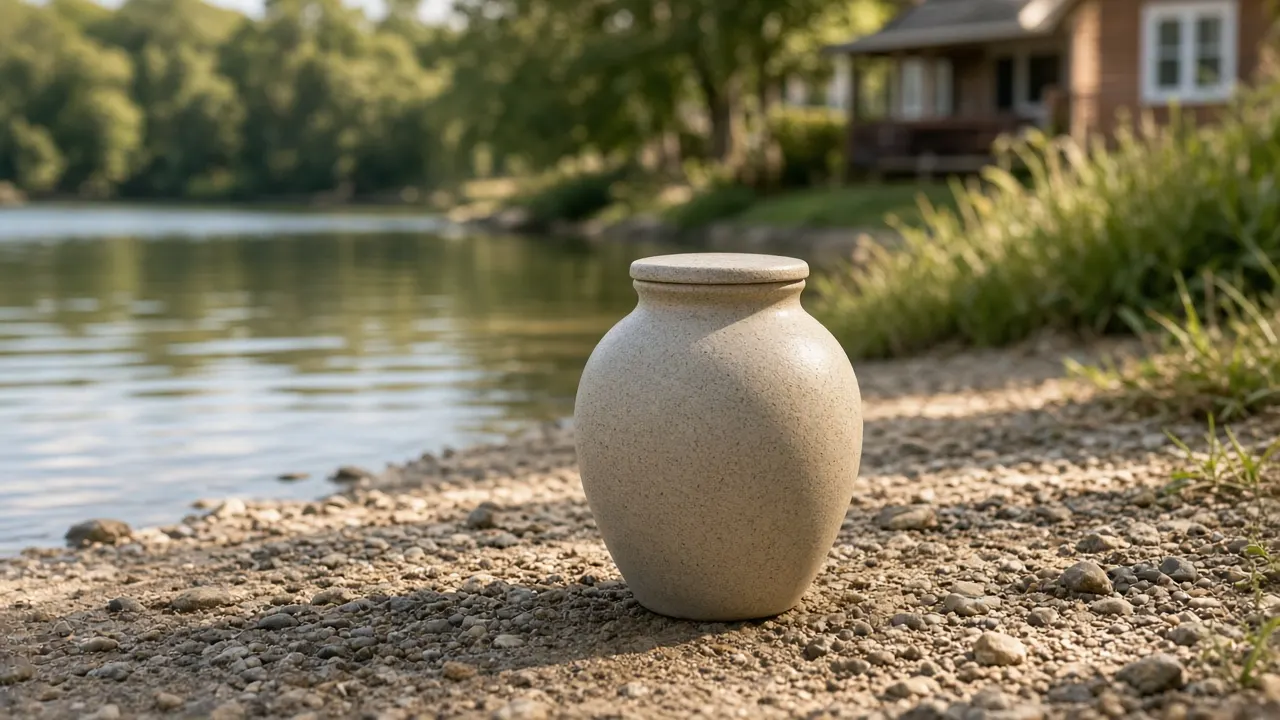
How New Zealand feels about cremation
About 69%[5] of people in New Zealand are cremated, which puts it in the middle: cremation is common, but so is burial. For pets, that often means families weigh a planting urn against a whole-body burial in the yard. Both can grow a tree. The planting urn takes less space and can go almost anywhere; a whole-body grave needs more depth and distance from water, and the tree should go beside it rather than directly on top.
We take the New Zealand rate from The Spinoff, citing FDANZ 2023 Funeral Industry Trends Report (2023). It is a human statistic; there is no equivalent pet figure for Wellington, and we would rather show a real number than invent one.
Choosing the right month to plant in Wellington
Whatever Wellington's weather, the soil step is the same. Mix the ashes through a generous amount of compost and soil, let the mix rest if you can, and test the pH before planting. Hot, dry places need more dilution and deeper watering; cold places may need to wait for thawed ground. A local gardener can tell you which applies.
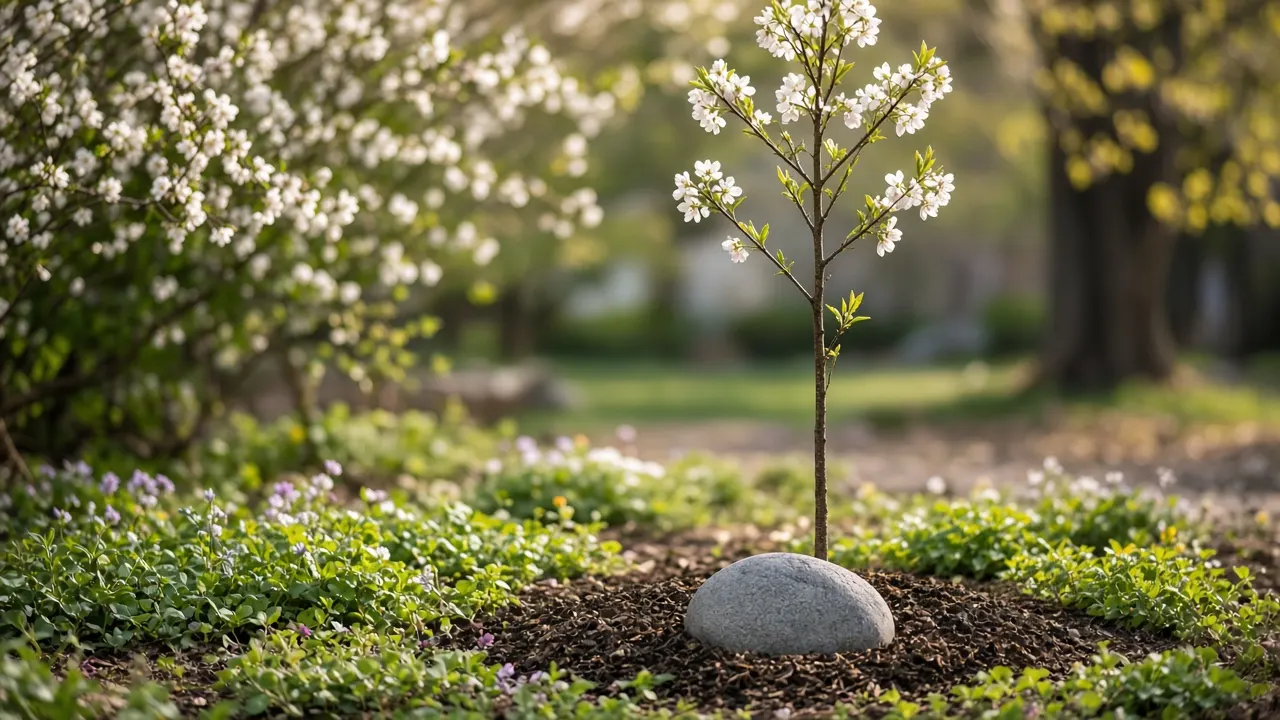
Budgeting for a living memorial in Wellington
By our estimate, private cremation for a Labrador-sized dog costs about 27% more in Australia than the US midpoint[6]. In New Zealand, one Auckland provider charges NZD 305 for individual cremation of a 2 to 7 kg pet against NZD 55 for communal[7]. Only the individual option returns ashes. For a planting in Wellington, that's the one that matters.
The full price table by product is on our New Zealand page, and the services page explains what each option includes.

Free tool
Memorial budget planner
Add up cremation, urn, keepsakes and a farewell so the total holds no surprises.
Where you can plant or release ashes in New Zealand
Cremated remains aren't a health hazard in the way a body is, which is why planting ashes in your own garden is rarely restricted. Public places are different. Parks, nature reserves, beaches and waterways in New Zealand each have a manager with their own policy, and some don't allow scattering or planting at all. A short email before the day saves an awkward conversation.
In New Zealand, a native tree or shrub from a local nursery is usually the best living memorial, and seeds from overseas planting kits may be stopped by strict biosecurity rules, so order an urn without seeds. Pet water cremation is rare. Many local councils and iwi have views on ashes near waterways and sacred places, so ask before a river or sea release.
A simple plan for your pet's eco memorial
- Take your time. Nothing about a bio urn is urgent. Arrange cremation first and collect the ashes when they're ready; planting can wait weeks or months.
- Ask for individual cremation, by flame or by water, so you know the ashes going into the ground are your pet's alone. A plain box is enough when a display urn isn't part of the plan.
- Check how much ash you have. Many kits are sized for a set volume, and a large dog's ashes may not all fit.
- Choose the place and the tree together. Weigh up light, room to spread, buried pipes or cables, and whether you're likely to be at that address a decade from now.
- Mix, don't layer. Blend the ashes through plenty of compost and soil, let the mix rest if you can and test the pH.
- Plant in the right season, whatever that is in Wellington, soak the roots and mulch a wide circle.
- Mark the spot with a small stone or plant label, and note the date somewhere you'll find it.
Remembering your pet in Wellington
Wellington's harbor, the south coast around Ōwhiro Bay and Island Bay, and the Town Belt's green hills are where many Wellington families spent their weekends with a pet, so they're often the first places people think of afterward. Public land and the coast may have rules on scattering, so check with the council first. Planting a native tree or shrub in your garden with a biodegradable urn is a popular alternative.
or look at how readers voted in our polls, See what each option includes on our services page, run the numbers with the free planning tools, read our guides and latest articles. You can also browse every city in New Zealand.

Reader polls
What would you choose?
Vote anonymously and see how other readers answered. The results are live counts from people who visit this site, so they show real opinions, not a scientific sample.
Would you consider releasing your pet's ashes in water?
Tap an answer to vote and see how others answered. Anonymous.
If water cremation (aquamation) were offered near you, would you choose it?
Tap an answer to vote and see how others answered. Anonymous.
If you had to decide today, which aftercare would you choose for your pet?
Tap an answer to vote and see how others answered. Anonymous.

Free tools to help you plan
Memorial budget planner
Add up cremation, urn, keepsakes and a farewell so the total holds no surprises.

Memorial tree finder
Pick a tree for a planting urn that suits your climate, space and pet.

Aftercare options compared
Compare private, communal and water cremation with burial on cost, timing and what comes home.
Questions people ask
Why does the Wellington page quote a human cremation rate?
Because it is the best local signal we have. The Spinoff, citing FDANZ 2023 Funeral Industry Trends Report (2023) reports about 69%[5] of New Zealand residents are cremated. There is no official pet equivalent, and inventing one would be worse than quoting a real, clearly labelled number.
Roughly how many pets die in Wellington each year?
Our estimate is around 4,750. It comes from Wellington's population (about 212,000), the average household size, the share of homes with a dog or cat (about 55,500 households here) and the average lifespan. It is arithmetic, not a count, so read it as a rough floor.
What native trees suit a pet memorial in Australia or New Zealand?
Choose a native that already thrives near Wellington: a local nursery can suggest small eucalypts, bottlebrush, grevillea or wattle in Australia, or kowhai, manuka and pohutukawa in warmer parts of New Zealand. Natives cope with local heat and dry spells far better than imported seeds, and some of them tolerate the extra alkalinity of mixed-in ashes well.
Is it safe to plant a fruit tree with my pet's ashes?
Cremated remains are mostly bone minerals, and once they're thoroughly blended into plenty of compost and garden soil, many gardeners grow fruit trees over them. The high pH and salt are the real concern for the tree, so dilute generously and test the pH. If eating fruit from the memorial feels wrong to anyone in your family, choose an ornamental tree instead.
Can I take my pet's ashes on a plane to plant them somewhere else?
Usually, yes. Most airlines let you carry cremated remains in hand luggage, but security staff need to be able to X-ray the container, so a wooden, plastic or cardboard container is easier than a metal urn. Keep the certificate from the crematory with you. Leave any seed pod at home if you're crossing a border that restricts plant material.
Will the seed in a tree urn grow?
Not always. Seeds from kits can fail to sprout if they weren't stored or chilled correctly, and alkaline soil around them makes it harder. A young tree from a nursery near Wellington is far more reliable, and most planting urns work just as well with a sapling in the top chamber.


Sources and our estimates
- [1] 31% of New Zealand households have a dog, down from 34% in 2020. Companion Animals New Zealand, 2024 NZ Pet Data Report, 2024.
- [2] US dogs have an average life expectancy at birth of 12.69 years. Montoya et al. 2023, Frontiers in Veterinary Science - Banfield Pet Hospital life expectancy tables (13.3 million dogs, 2.4 million cats, 2013-2019), 2023.
- [3] 40% of New Zealand households have a cat - cats are NZ's most popular pet. Companion Animals New Zealand, 2024 NZ Pet Data Report, 2024.
- [4] US cats seen at Banfield hospitals have an average life expectancy at birth of 11.18 years. Montoya et al. 2023, Frontiers in Veterinary Science - Banfield Pet Hospital life expectancy tables (13.3 million dogs, 2.4 million cats, 2013-2019), 2023.
- [5] 69% of bodies in New Zealand were cremated in 2023, per the Funeral Directors Association of NZ. The Spinoff, citing FDANZ 2023 Funeral Industry Trends Report, 2023.
- [6] A private cremation for a Labrador-sized dog costs about 27% more in Australia (AUD 480 median, ~$317) than the US 51-70 lb midpoint ($250). Our estimate: 480 x 0.66 = 317; 317/250 - 1. How we calculate.
- [7] The same Auckland provider lists individual cremation at NZD 625 and communal at NZD 215 for a 70-95 kg dog, and NZD 305 vs NZD 55 for a 2-7 kg pet. Caring Cremations (Auckland) - Pet cremation prices, 2026.
- [8] Each shelter-animal flame cremation emits about 31 kg CO2e on average. Our estimate: 19,000 t CO2e / 607,000 animals. How we calculate.
Ask about aquamation near Wellington
Tell us what you need and where you are. We'll reply by email with clear options and prices so you can decide in your own time.