Bio urns and eco memorials in Gwangju
Interested in a lower-impact goodbye in Gwangju? From water cremation to a native tree, here's what's realistic locally and what to ask before you buy anything.
- Options for renters and apartments
- Water release rules in plain words
- No obligation, we reply by email
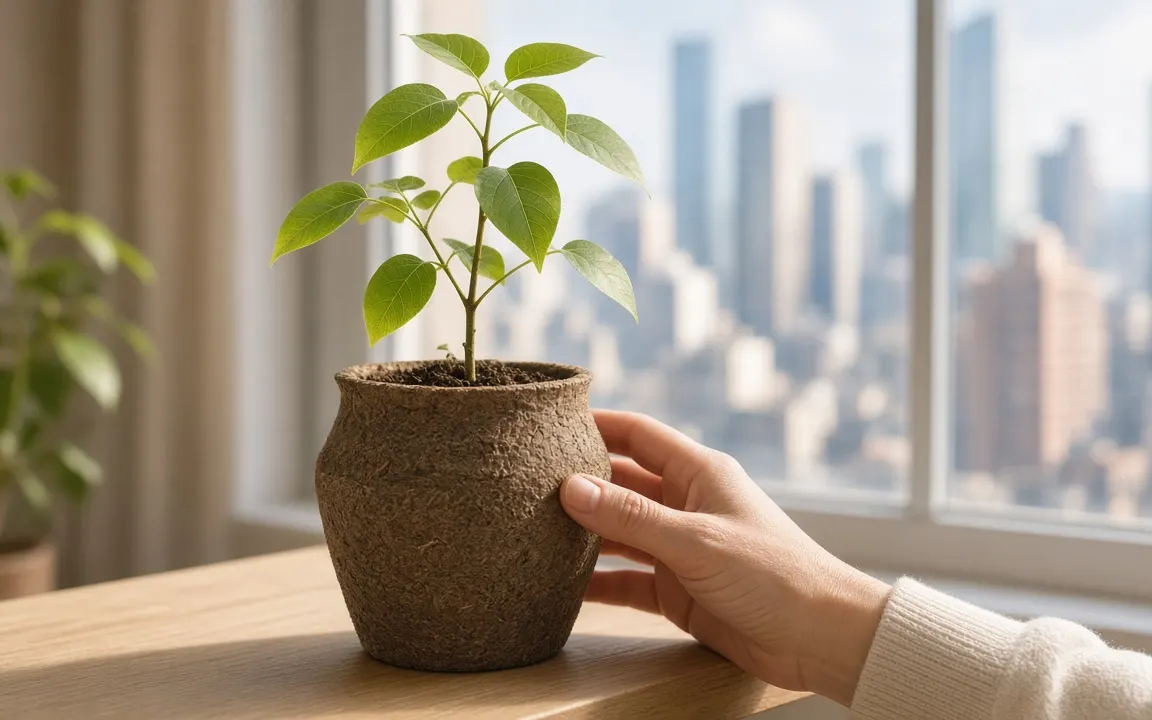
Gwangju, South Korea
Planning a greener goodbye in Gwangju
Many licensed pet funeral facilities in South Jeolla have columbaria where ashes or memorial stones can be placed in a niche and visited. Gwangju families sometimes go around Chuseok or Lunar New Year, when the family is already travelling to the countryside, bringing flowers or a favourite treat. If you are considering a niche, ask about fees, how long it can be kept and whether you can take the ashes home later.
Gwangju sits at the foot of Mudeungsan, and some owners like a memorial with a natural theme: an engraved stone, a pot of wild flowers on the balcony, or a keepsake with a mountain motif. A clay paw impression or a small bundle of fur tied with ribbon can sit alongside it. Whatever you choose, mention keepsakes to the provider before the cremation begins, because prints and fur cannot be taken afterwards.
Traffic, parking and crowds matter on a planting or release day in Gwangju. If you'd like a small gathering at a lake or the coast, choose an early morning on a weekday when the shoreline is quiet, and check whether the spot allows people to gather. At home, plan the hole the day before so the ceremony itself is short. Children can help mix the soil and water the plant afterwards, which gives them a job and a reason to come back to it.
About 1,500,000 people live in Gwangju.
For a second opinion on price, Daejeon (88 miles), Daegu (110 miles) and Busan (126 miles, a larger centre) are close enough that their providers cover Gwangju routinely. Two written quotes tell you more than any price list.
92.43%[1]
In 2023, 92.43% of deaths in South Korea were cremated (60 crematoria).
$15–$80[2]
Memorials.com's pet urn cost guide puts biodegradable pet urns at $15–$80.
$119[3]
The Living Urn's pet bio-urn planting system (without a tree) costs $119.
communal $30-200; private $100-500+[4]
Embrace Pet Insurance lists US communal cremation at $30-$200, partitioned at $50-$250, private at $100-$500+ and aquamation at $80-$450.
To check the figures yourself, see The Living Urn and Embrace Pet Insurance.
Why cremation culture in South Korea shapes your options
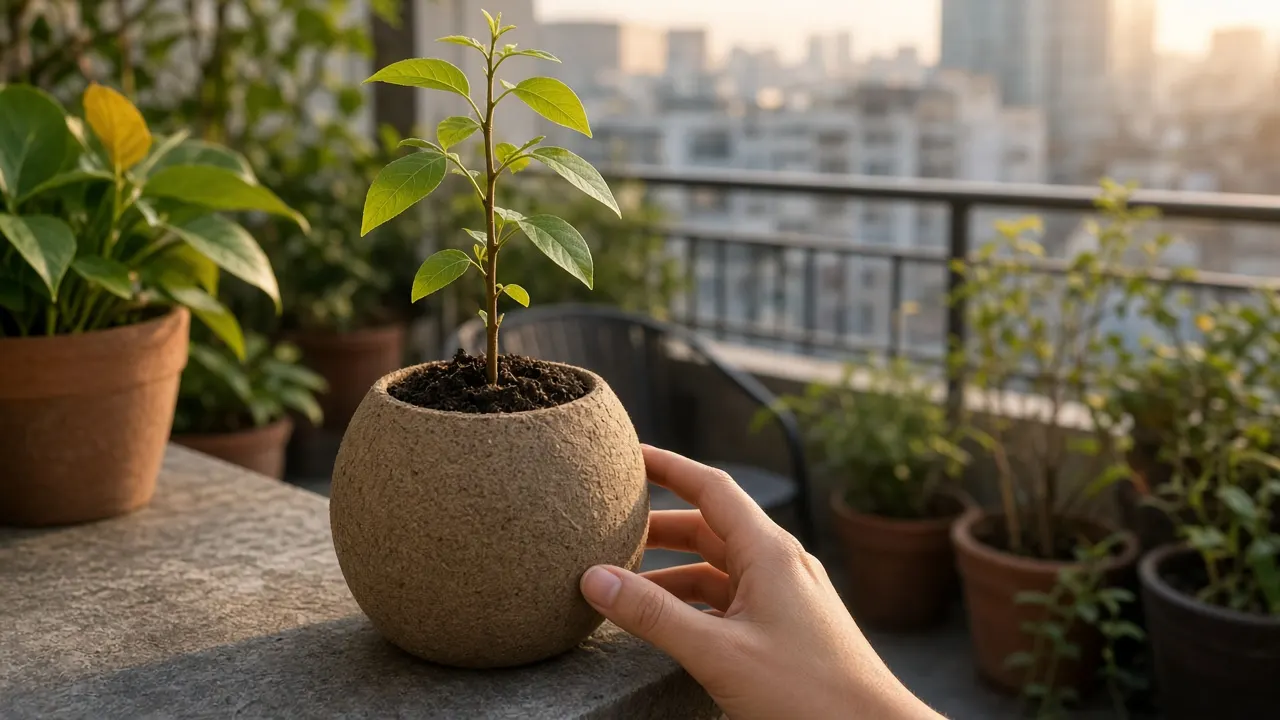
Scattering gardens and woodland memorials are familiar sights in South Korea, where cremation is the choice for around 92.43%[1] of people who die. Many families already have a place where a grandparent's ashes were scattered. If that place is on land you own or have permission to use, a pet's ashes can join it quietly. Human cemeteries and crematoria grounds are different, and most don't accept animal remains, so ask first.
The South Korea percentage above is from Cremation Society of Great Britain, International Cremation Statistics 2023 (2023) and refers to human funerals. Treat it as context for Gwangju, not as a count of pets.
Seasons, soil and weather for a memorial in Gwangju
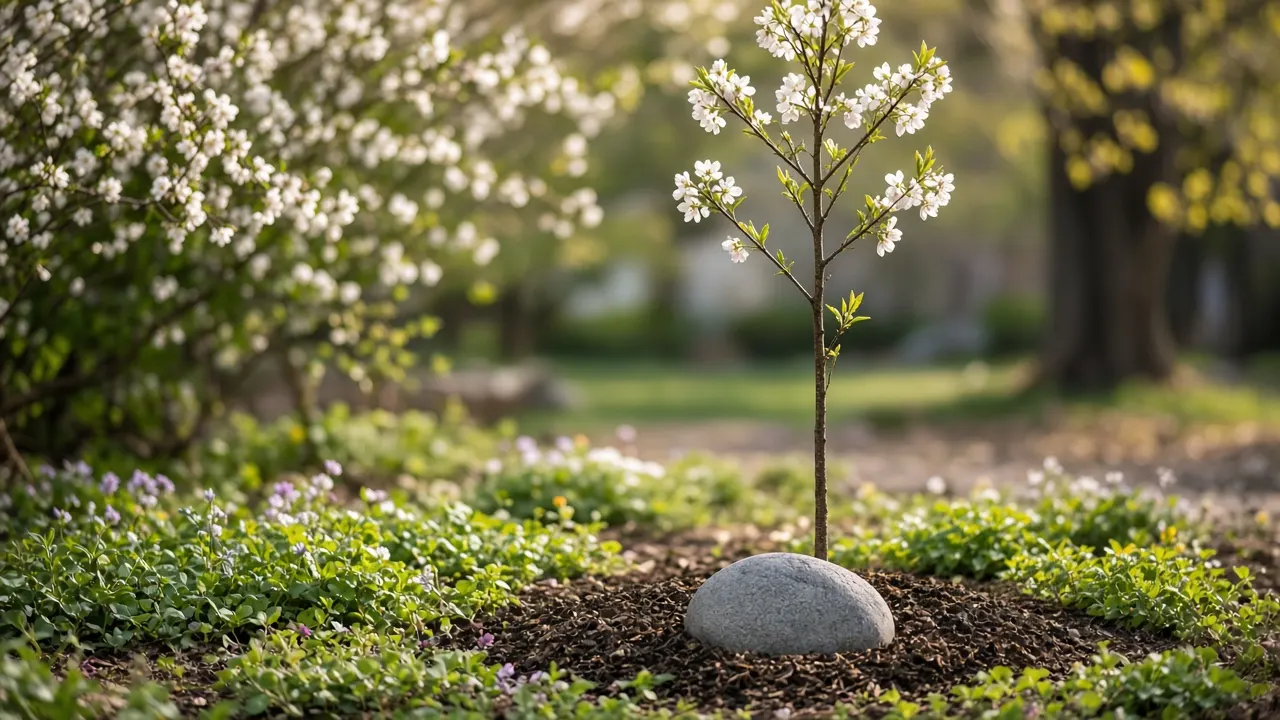
One cautious approach in Gwangju: plant the memorial in a large pot for its first year and watch how it copes through your hottest and coldest weeks. If it thrives, move it into the ground the following autumn or spring, pot and all removed, with the ash blend around it. If it struggles, you've learned that before committing to a spot.
Adding up the cost of a bio urn memorial in Gwangju
Pet aftercare in much of Asia is sold as packages, and bio urns are less common than columbarium niches. In Singapore, private cremation runs about SGD 280 for a cat and SGD 480 for a 10 to 20 kg dog, with niches from SGD 300 for the first year[5]. If you'd like a planting or water memorial in Gwangju, ask for individual cremation with the ashes returned to you.
Prices for Gwangju track the wider South Korea market, so use the South Korea price table as your baseline and the services page to see what is included.

Free tool
Memorial budget planner
Add up cremation, urn, keepsakes and a farewell so the total holds no surprises.
Who to ask before you plant or scatter in South Korea
Rules about ashes were mostly written for people, and pet ashes often sit in a grey area. That's a reason to ask, not a reason to assume. On land you own, planting or burying ashes is generally fine. Anywhere else in South Korea, from parks to beaches to a friend's field, the land manager or owner decides, so ask first.
Planting a memorial in Gwangju, step by step
- Decide what the memorial is for. Wanting somewhere to sit, a living plant, a release on water or simply the gentlest footprint each leads you toward a different kind of urn.
- If a greener cremation matters, ask about aquamation before anything else; it's the step with the biggest environmental difference.
- Keep a small portion back in a keepsake if there's any chance you'll move or want a second planting later.
- Buy the tree locally. A young native tree from a grower around Gwangju tends to outgrow anything sprouted from a packet seed.
- Prepare the soil a season ahead where you can, and the mixture of compost and ash will have settled by the time you dig the hole.
- Plant with the people who loved your pet; hand everyone a task of their own, whether blending, backfilling or watering.
Keeping the memorial alive in Gwangju
Memorial stones, glossy beads made by fusing a pet's ashes at high temperature, are popular across Korea, and many Gwangju families keep them in a small glass case at home. Others choose a traditional ceramic urn, a pendant with a little ash, or simply a framed photograph and paw print. Ask a provider which options they offer, how long each takes, and whether you can see examples before choosing.
the guides answer the longer questions and the blog the newer ones, try the free planning tools, For a plain comparison of the choices, open services, or see what other families chose in the poll results. More local pages: the South Korea overview and every city in South Korea.

Reader polls
What would you choose?
Vote anonymously and see how other readers answered. The results are live counts from people who visit this site, so they show real opinions, not a scientific sample.
Would you consider releasing your pet's ashes in water?
Tap an answer to vote and see how others answered. Anonymous.
If water cremation (aquamation) were offered near you, would you choose it?
Tap an answer to vote and see how others answered. Anonymous.
If you had to decide today, which aftercare would you choose for your pet?
Tap an answer to vote and see how others answered. Anonymous.

Free tools to help you plan
Memorial budget planner
Add up cremation, urn, keepsakes and a farewell so the total holds no surprises.

Memorial tree finder
Pick a tree for a planting urn that suits your climate, space and pet.

Aftercare options compared
Compare private, communal and water cremation with burial on cost, timing and what comes home.
Questions people ask
How do South Korea attitudes to cremation compare?
Cremation Society of Great Britain, International Cremation Statistics 2023 (2023) puts the South Korea human cremation rate at about 92.43%[1]. We show it on the Gwangju page because pet aftercare choices tend to track it: where cremation is normal for people, communal and private pet cremation are both easy to find.
Can a provider from a neighbouring town collect from Gwangju?
Usually yes. Daejeon is about 88 miles away, Daegu is about 110 miles away and Busan is about 126 miles away, all inside a normal collection radius. Get the mileage written into the quote so there is no surprise on the day.
Will the seed in a tree urn grow?
Not always. Seeds from kits can fail to sprout if they weren't stored or chilled correctly, and alkaline soil around them makes it harder. A young tree from a nursery near Gwangju is far more reliable, and most planting urns work just as well with a sapling in the top chamber.
Can I scatter my pet's ashes in a park in Gwangju?
Usually only with permission, and some parks don't allow it at all. Parks are managed by a city, county, state or national agency, each with its own policy, and many were written for human ashes. Contact the park office, explain it's a small amount of pet ash, and ask whether there's a preferred spot.
Can I take my pet's ashes on a plane to plant them somewhere else?
Usually, yes. Most airlines let you carry cremated remains in hand luggage, but security staff need to be able to X-ray the container, so a wooden, plastic or cardboard container is easier than a metal urn. Keep the certificate from the crematory with you. Leave any seed pod at home if you're crossing a border that restricts plant material.
How long does a water-soluble urn take to dissolve?
Most are made from salt, sand, paper or gelatin and dissolve within minutes to hours once they sink. Some float briefly first, long enough for a few words: one maker's water urn floats for several minutes before dissolving[7]. Calm water gives the best result, so check the forecast for wind before you go.


Sources and our estimates
- [1] In 2023, 92.43% of deaths in South Korea were cremated (60 crematoria). Cremation Society of Great Britain, International Cremation Statistics 2023, 2023.
- [2] Memorials.com's pet urn cost guide puts biodegradable pet urns at $15–$80. Memorials.com – Pet Urn Cost Guide, 2025.
- [3] The Living Urn's pet bio-urn planting system (without a tree) costs $119. The Living Urn – Pet tree urn, 2026.
- [4] Embrace Pet Insurance lists US communal cremation at $30-$200, partitioned at $50-$250, private at $100-$500+ and aquamation at $80-$450. Embrace Pet Insurance - Bury or Cremate Your Dog? Costs, Pros & Cons, 2025.
- [5] The same Singapore provider lists private cremation at SGD 280 for a cat under 5 kg and SGD 480 for a 10-20 kg dog; columbarium niches start at SGD 300 for the first year with SGD 180 yearly renewal. Singapore Pet Columbarium - Prices, 2026.
- [6] If just 10% of U.S. pet cremations moved to aquamation, about 4,200 t CO2e a year would be avoided. Our estimate: 1.5M x 10% x 31.3 kg x 90% reduction. How we calculate.
- [7] The Living Urn's Eco Water Urn for water burial costs $149 and holds up to 225 cubic inches; it floats for several minutes before dissolving. The Living Urn – Eco Water Urn, 2026.
Get bio urn options for Gwangju
Tell us what you need and where you are. We'll reply by email with clear options and prices so you can decide in your own time.