Growing something from the goodbye in Cambridge
About 3,550 dogs and cats are lost in Cambridge each year, by our estimate. If you'd like your pet's ashes to grow into a tree or return to the water, this page covers the soil, the season and the cost.
- Options for renters and apartments
- Water release rules in plain words
- No obligation, we reply by email
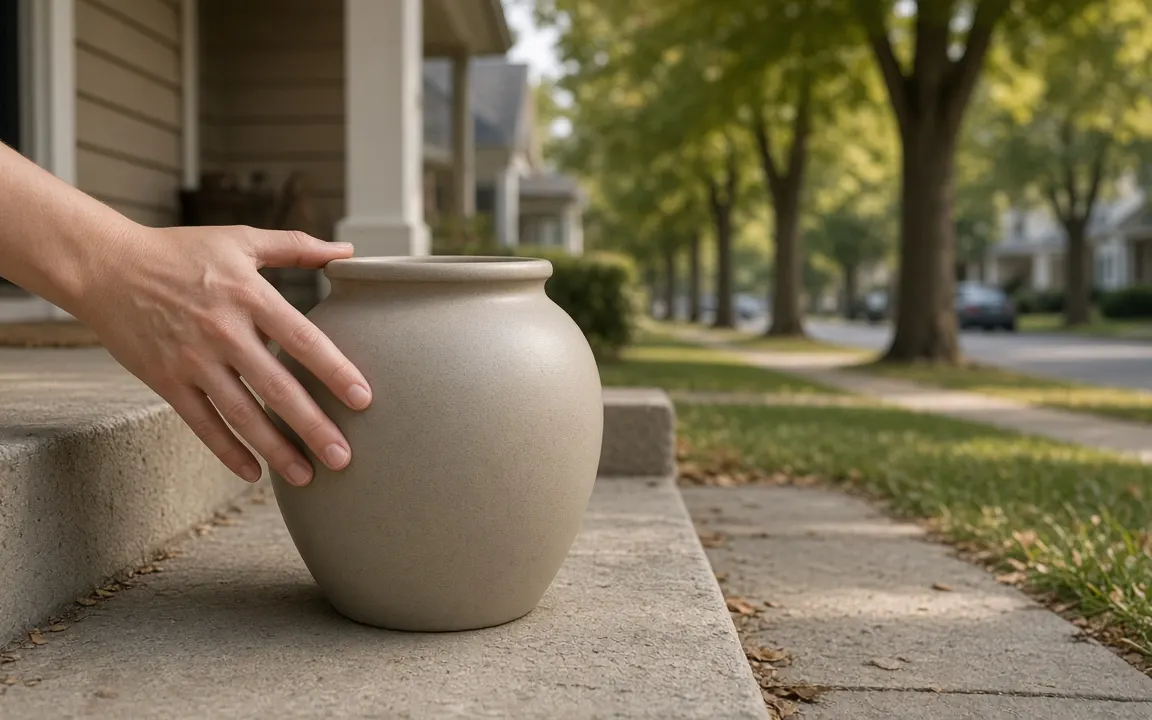
Cambridge, England
Where a living memorial fits in Cambridge
In Cambridge, as anywhere, the memorial can come later. Many Cambridge families bring ashes home in a simple container and decide later, once the first sharp grief has eased. Cambridge's international population often means relatives abroad, so some people divide ashes into small keepsakes to share. That pause also lets you compare quality and prices without pressure. Ask for a written price covering postage.
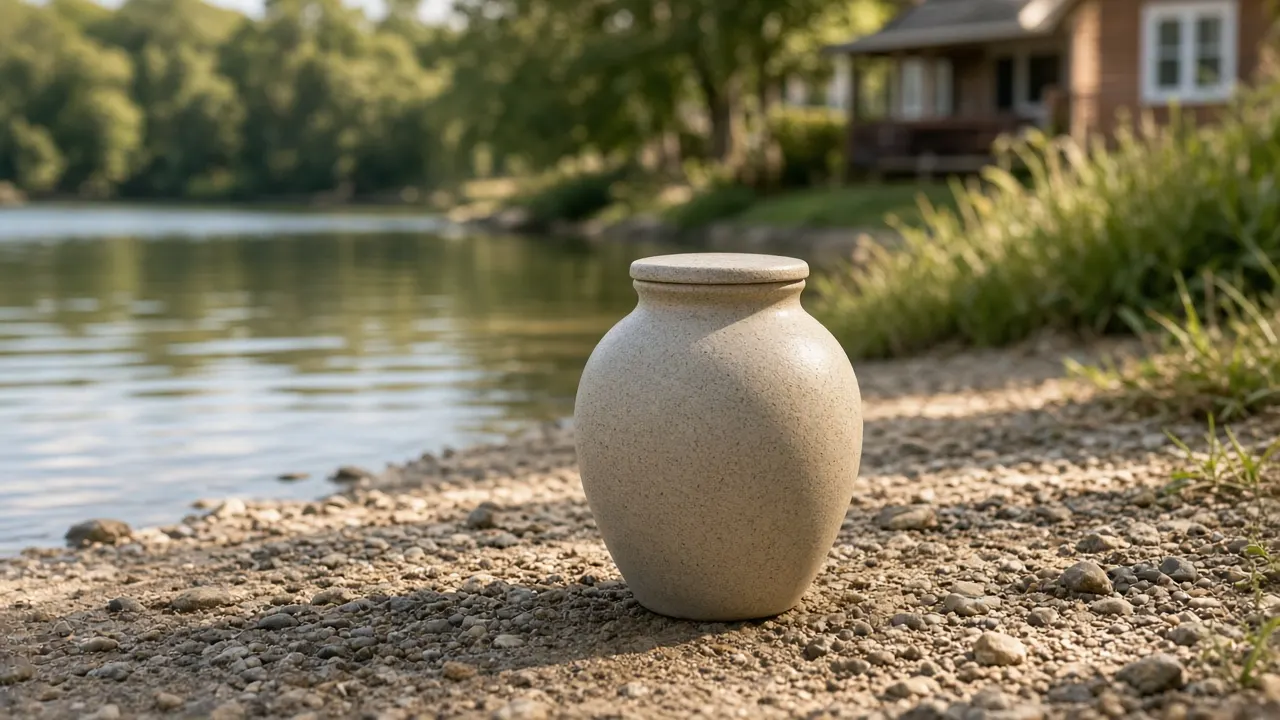
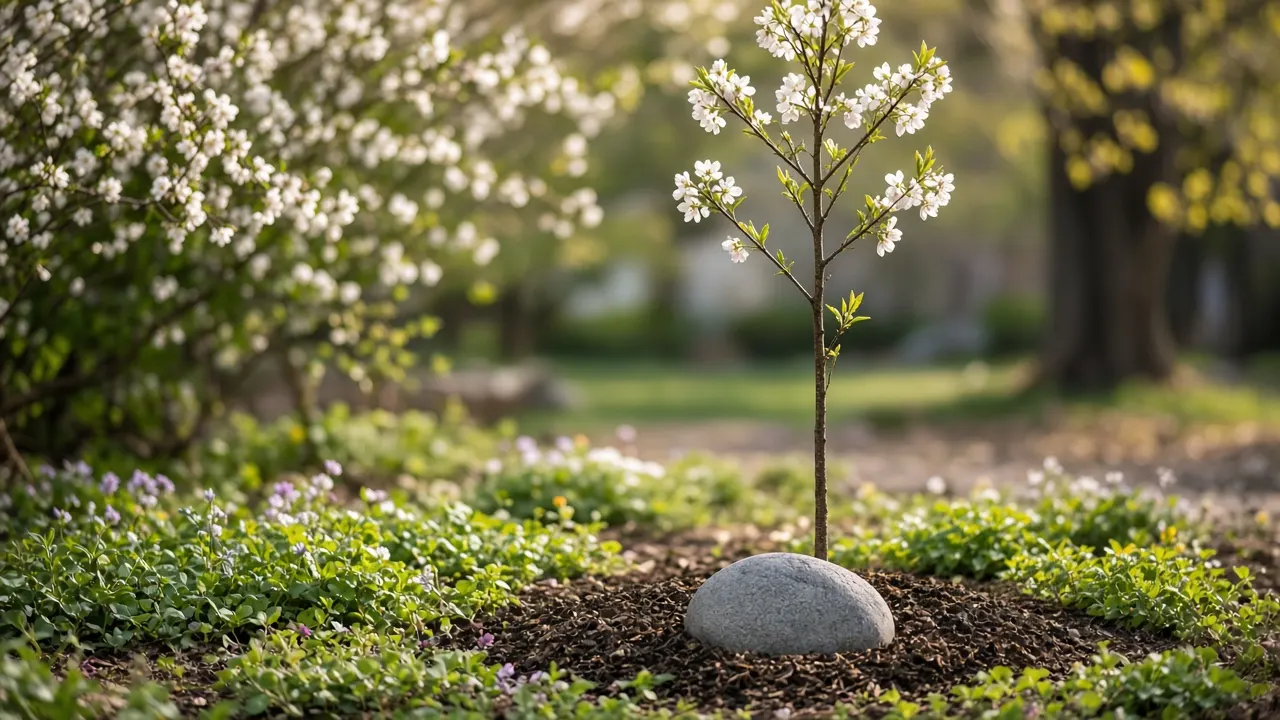
The River Cam, the meadows towards Grantchester and the wide skies of the fens give many people a picture of where they'd like a pet remembered. A biodegradable urn planted with a tree in your own garden is one gentle option, and hardy native trees suit Cambridgeshire's dry climate. Before scattering ashes on public land or by the river, check the rules for that place.
If you'd like water cremation, Cambridge is the kind of place where it may be offered by one local provider or by a larger centre such as Milton Keynes. It's worth one phone call to find out. Some aquamation providers collect from a vet clinic across a wide area, and turnaround is usually measured in days to a couple of weeks rather than hours, so there's no need to decide anything in the first evening.
Cambridge's population is around 145,000, the 21st-largest of the 33 England communities we cover. Milton Keynes, roughly 39 miles off, is the closest larger centre, and a share of the providers who cover Cambridge run from there.
Nearby, we also have local pages for St Albans (37 miles), Milton Keynes (39 miles) and London (49 miles, a larger centre), which can help if your vet or the provider you prefer is based there.
Our estimate
43,500
Estimated dog- or cat-owning households in Cambridge
How we calculated this
145,000 ÷ 2.4 = 60,417 households; × 41% (dog) + 31% (cat) = 43,500. Multi-pet homes count once.
Our estimate
3,550
dog and cat deaths per year in Cambridge, our estimate
How we calculated this
43,500 dog/cat-owning homes ÷ average lifespan (dog: 12.69 yrs + cat: 11.74 yrs) ≈ 3,550 a year. A floor, not a ceiling.
41%[1]
41% of UK households own a dog.
12.69 years[2]
US dogs have an average life expectancy at birth of 12.69 years.
31%[3]
31% of UK households own a cat.
11.74 years[4]
UK cats have a life expectancy at birth of 11.74 years.
The numbers above come from Montoya et al. 2023, Frontiers in Veterinary Science and UK Pet Food (formerly PFMA) Pet Population 2026, if you'd like to read the original sources.
How England feels about cremation
With roughly 83.0%[5] of people in England cremated, the local funeral culture leans firmly toward ashes rather than graves. That has a practical upside for a living memorial. Nurseries, crematories and even some parks departments are used to questions about ashes, and you'll usually get a straight answer. It's still worth asking before you plant or scatter anywhere you don't own, because common practice isn't the same as permission.
We take the England rate from Federation of Burial and Cremation Authorities (FBCA) death & cremation statistics (2024). It is a human statistic; there is no equivalent pet figure for Cambridge, and we would rather show a real number than invent one.
What Cambridge's climate means for a living memorial
Whatever Cambridge's weather, the soil step is the same. Mix the ashes through a generous amount of compost and soil, let the mix rest if you can, and test the pH before planting. Hot, dry places need more dilution and deeper watering; cold places may need to wait for thawed ground. A local gardener can tell you which applies.
Price ranges for planting and water urns
At a UK pet cemetery, burying ashes costs roughly one-eleventh of a whole-body green burial[6], which is one reason ashes plus a planting urn is a popular, lower-cost route to a natural memorial. Annual plot maintenance can add £45–£75/yr[7] on top. In Cambridge, planting in your own garden avoids those fees, as long as you own the land or have the owner's permission.
We keep the detailed England price table on one page so it stays current: see England prices.

Free tool
Memorial budget planner
Add up cremation, urn, keepsakes and a farewell so the total holds no surprises.
Rules worth knowing in England before you scatter
If you live under a homeowners' association, a co-op board or a tenancy agreement in England, its rules can matter more than any public law. Many restrict new trees, digging near shared pipes or heavy pots on balconies. A quick read of the rules, or one email to the manager, tells you whether a tree, a shrub bed or a container memorial is the right fit.
In the UK, water cremation is not yet legal for people in England and Wales, and Scotland is expected to be first to allow it[9], so pet aquamation is still rare. Most families use a flame cremation and a biodegradable urn afterwards. Environment Agency guidance for human ashes on rivers, asking people to avoid anglers, bathers and water intakes, is a sensible standard for a pet release too.
Home burial and scattering are governed at the England level first; our England rules summary has the detail. Then check whether Cambridge or your HOA adds anything.
Your next steps, whatever your situation
- Confirm the ashes will come back. With a communal cremation there's normally nothing to collect afterwards, which leaves you with nothing to put in an urn.
- Pick the type of bio urn: one that grows a tree, a simple biodegradable urn to bury in a quiet bed, or a floating urn meant for a lake, river or the coast.
- Ask permission from the landowner, landlord or park manager for anywhere that isn't yours.
- Plan for the weather. Around Cambridge, skip days when the soil is rock-hard, frozen or sodden, and wait for still, gentle conditions to plant or release.
- Release gently on water. Set the urn on the surface, let it float and sink on its own, and add only loose petals.
- Come back in a year. Replace mulch, check the tree's growth and take a photo to mark the anniversary.
Living memorials beyond the backyard
In a city of flats, student rooms and small terraced gardens, many Cambridge residents choose memorials that are easy to keep and to move: a small urn, a paw print impression or a piece of cremation jewellery. Families with larger gardens in the surrounding villages may prefer an engraved stone or a planted shrub. If you're likely to move, pick something portable.
browse in-depth guides or recent articles, or look at how readers voted in our polls, Our services overview lays out every option side by side, use the free tools before you ring anyone. More local pages: London, Leeds, Birmingham and Manchester, the England overview and every city in the United Kingdom.

Reader polls
What would you choose?
Vote anonymously and see how other readers answered. The results are live counts from people who visit this site, so they show real opinions, not a scientific sample.
If water cremation (aquamation) were offered near you, would you choose it?
Tap an answer to vote and see how others answered. Anonymous.
If you rent or might move, how would you handle a memorial planting?
Tap an answer to vote and see how others answered. Anonymous.
If you had to decide today, which aftercare would you choose for your pet?
Tap an answer to vote and see how others answered. Anonymous.

Free tools to help you plan
Memorial budget planner
Add up cremation, urn, keepsakes and a farewell so the total holds no surprises.

Memorial tree finder
Pick a tree for a planting urn that suits your climate, space and pet.

Aftercare options compared
Compare private, communal and water cremation with burial on cost, timing and what comes home.
Questions people ask
How many pet owners live in Cambridge?
By our estimate, about 43,500 households in Cambridge have at least one dog or cat, and around 3,550 are lost each year. We calculate this from the city's population of about 145,000, the average household size and national ownership and lifespan figures, so treat it as a floor rather than an exact count.
Is cremation common in England?
For people, yes: about 83.0%[5] of England deaths end in cremation, according to Federation of Burial and Cremation Authorities (FBCA) death & cremation statistics (2024). Nobody publishes the same figure for pets, but in our experience pet choices in Cambridge follow the human pattern closely, so cremation is the default most families here start from.
Can a provider from a neighbouring town collect from Cambridge?
Usually yes. St Albans is about 37 miles away, Milton Keynes is about 39 miles away and London is about 49 miles away, all inside a normal collection radius. Get the mileage written into the quote so there is no surprise on the day.
Will I have to travel to Milton Keynes to arrange things?
Not usually. Providers based in Milton Keynes (roughly 39 miles from Cambridge) collect from here as a matter of routine, and the paperwork is done by email or phone. If you want to be present for a witnessed cremation, that is when the drive matters.
Can I scatter pet ashes in a river in Cambridge?
UK guidance written for human ashes is a sensible standard for a pet: choose a spot away from anglers, bathers and water-supply intakes, scatter close to the surface on a calm day, and let nothing such as wreaths or plastic float away. For rivers on private land, ask the landowner first.
How long can I keep pet ashes before planting them?
As long as you like. Cremated remains don't break down or spoil in a sealed container, so a planting can happen next month, next year or after a move to a house with a garden. What does break down is a biodegradable urn, so keep the ashes in their original container and only transfer them into the bio urn shortly before planting.


Sources and our estimates
- [1] 41% of UK households own a dog. UK Pet Food (formerly PFMA) Pet Population 2026, 2026.
- [2] US dogs have an average life expectancy at birth of 12.69 years. Montoya et al. 2023, Frontiers in Veterinary Science - Banfield Pet Hospital life expectancy tables (13.3 million dogs, 2.4 million cats, 2013-2019), 2023.
- [3] 31% of UK households own a cat. UK Pet Food (formerly PFMA) Pet Population 2026, 2026.
- [4] UK cats have a life expectancy at birth of 11.74 years. Teng et al. 2024, Journal of Feline Medicine and Surgery - VetCompass cat life tables, 2024.
- [5] In 2024, 83.0% of deaths in England & Wales ended in cremation. Federation of Burial and Cremation Authorities (FBCA) death & cremation statistics, 2024.
- [6] Burying a pet's ashes (unattended) costs about one-eleventh of a whole-body green burial at the same UK cemetery. Our estimate: £650 / £60. How we calculate.
- [7] Annual maintenance fees at Chestnut Lodge pet cemetery run from £45 to £75 per plot per year. Chestnut Lodge Pet Cemetery – Burial fees, 2026.
- [8] U.S. pet flame cremations emit on the order of 47,000 t CO2e a year. Our estimate: 1.5M pet cremations x 31.3 kg CO2e. How we calculate.
- [9] Water cremation is not yet legal in England and Wales; Scotland is set to be the first UK nation to legalise it. NAFD Funeral Directory guide, 2026.
Tell us about your pet and your garden
Tell us what you need and where you are. We'll reply by email with clear options and prices so you can decide in your own time.