Tree, garden and water memorials in Norfolk
About 7,100 dogs and cats are lost in Norfolk each year, by our estimate. If you'd like your pet's ashes to grow into a tree or return to the water, this page covers the soil, the season and the cost.
- Options for renters and apartments
- Water release rules in plain words
- No obligation, we reply by email
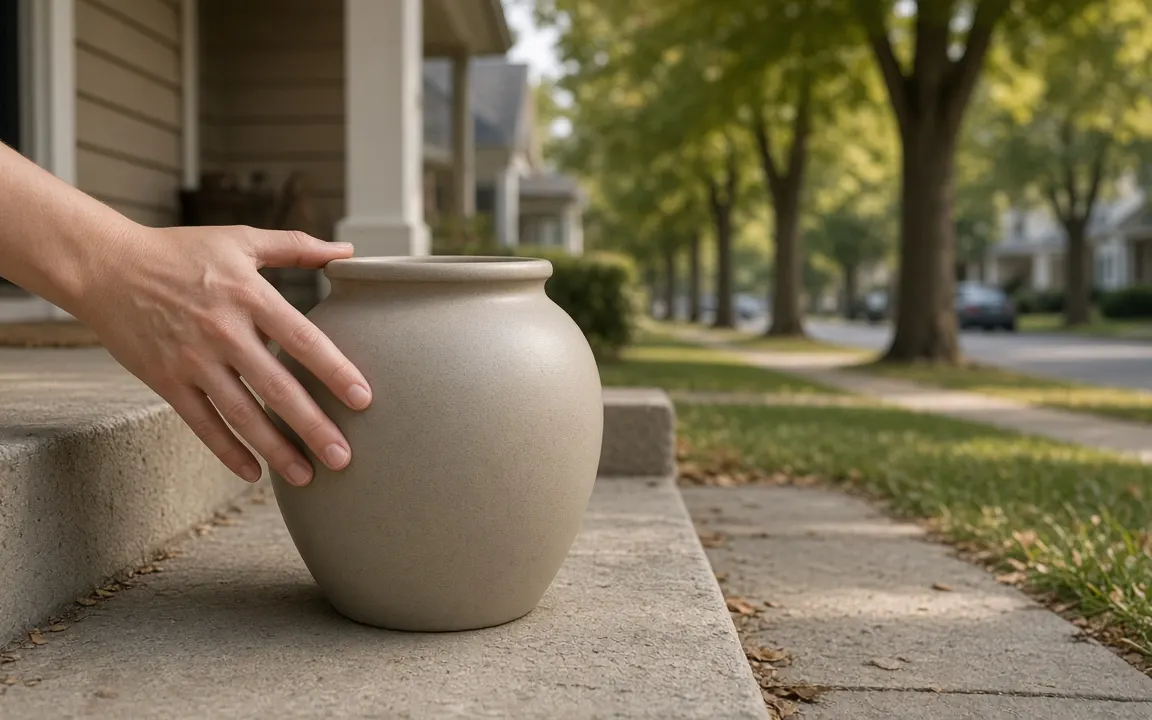
Norfolk, Virginia
Where a living memorial fits in Norfolk
Norfolk's military families often move every few years, and a pet's memorial needs to come along. Small keepsake urns and jewelry let family members in different states or countries each keep something. There's no need to decide straight away. Bring ashes home in a simple container and choose lasting pieces once you know where you'll be settling. A shadow box with a collar tag and photo also packs easily for a move.
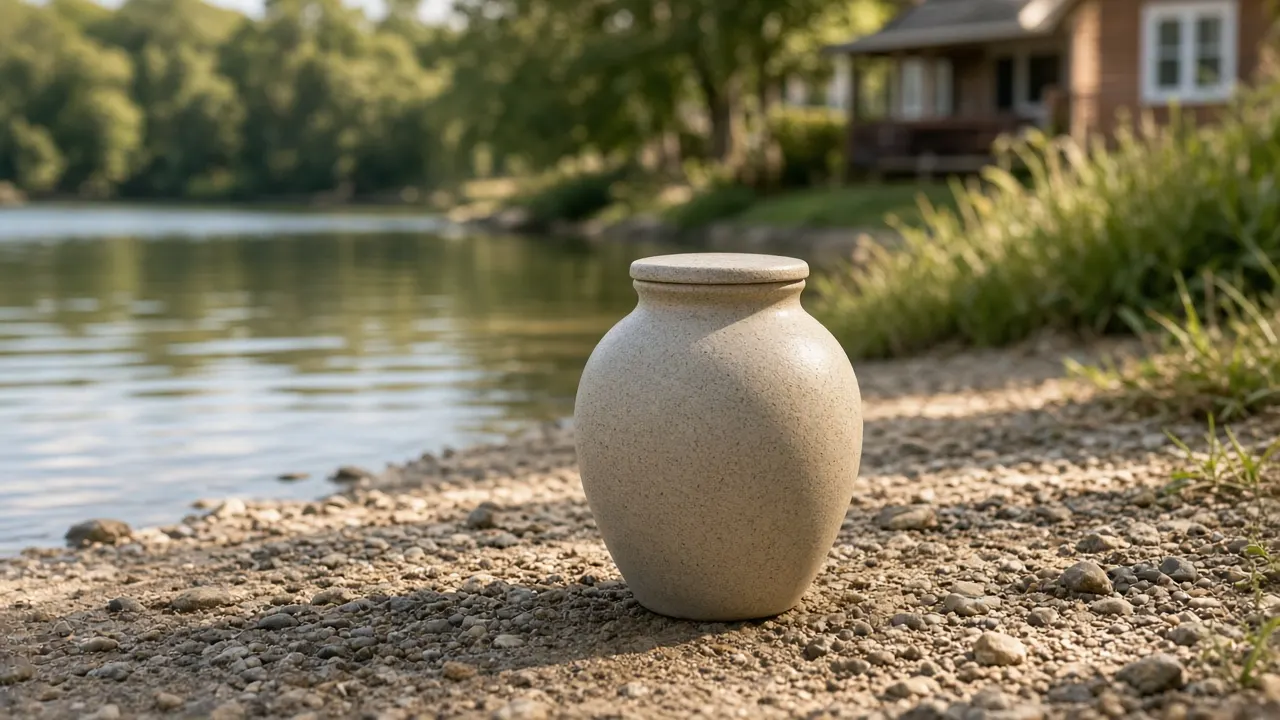
The water defines Norfolk, and some families want a memorial tied to the Bay or the river. Water-soluble urns are designed for release on water, and scattering from a boat on a calm day is something many consider. Check the rules first. Outdoors, salt air and humidity are hard on some materials, so choose granite or stainless steel. A potted plant on a porch is another simple option.
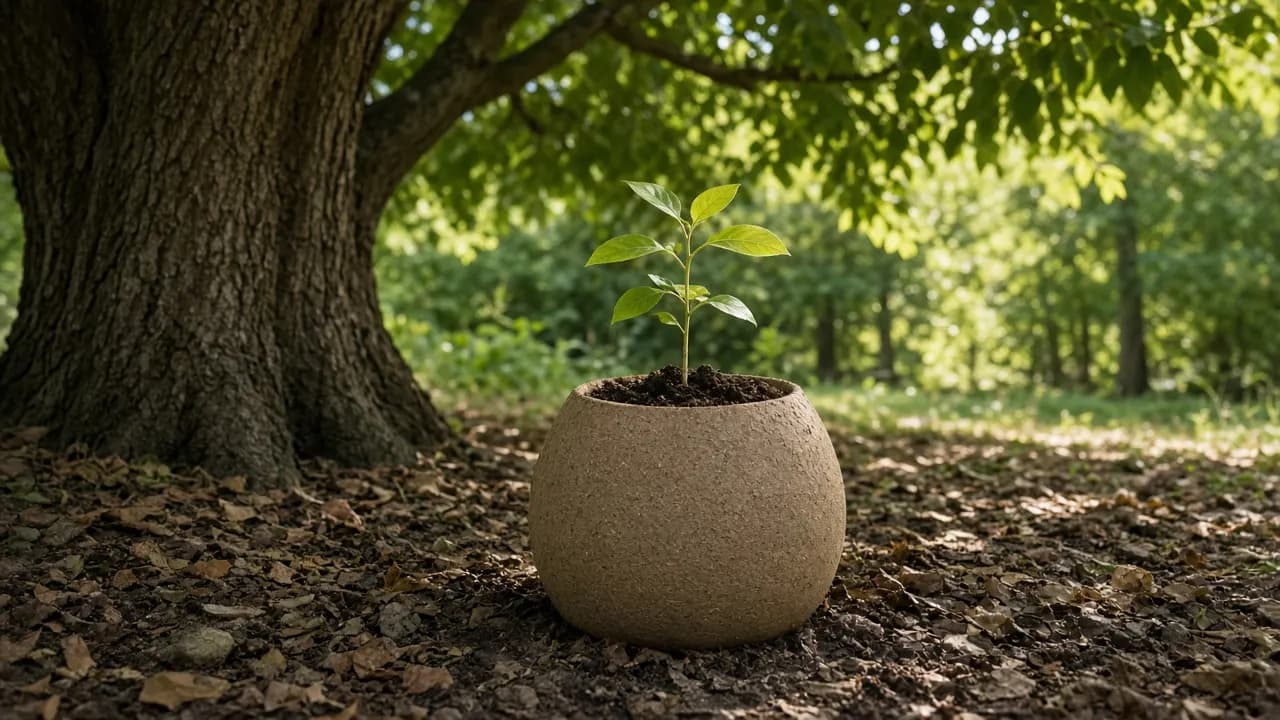
Native plant sales are one of the best-kept secrets in places like Norfolk. Conservation groups, garden clubs and parks departments often run them in spring and autumn, selling young native trees and shrubs at modest prices. A seedling bought there has been grown for local conditions and is small enough to settle in quickly. Check the local calendar, and time the planting to match.
Norfolk's population is around 231,013, the 5th-largest of the 32 Virginia communities we cover. Some of the providers who serve Norfolk are based about 16 miles away in Virginia Beach, the nearest larger centre, so collection times reflect that drive.
Norfolk sits within easy reach of Portsmouth (8 miles), Hampton (9 miles) and Virginia Beach (16 miles). A provider based in any of them will usually collect from Norfolk; ask what the mileage adds to the bill.
Our estimate
85,000
How many dog- or cat-owning households Norfolk has (estimate)
How we calculated this
231,013 ÷ 2.5 = 92,405 households; × 53% (dog) + 39% (cat) = 85,000. Homes are counted once however many pets they keep.
Our estimate
7,100
dog and cat deaths per year in Norfolk, our estimate
How we calculated this
85,000 dog/cat-owning homes ÷ average lifespan (dog: 12.69 yrs + cat: 11.18 yrs) ≈ 7,100 a year. A floor, not a ceiling.
53%[1]
53% of US households own a dog, which is about 71 million households.
12.69 years[2]
US dogs have an average life expectancy at birth of 12.69 years.
39%[3]
39% of US households own a cat, which is about 53 million households.
11.18 years[4]
US cats seen at Banfield hospitals have an average life expectancy at birth of 11.18 years.
Sources for the statistics above: American Pet Products Association (APPA) 2025 State of the Industry and Montoya et al. 2023, Frontiers in Veterinary Science.
Cremation, burial and green choices in Virginia
About 55.6%[5] of people who die in Virginia are cremated. That's a human statistic, but it shapes local services: in places where cremation is common but not dominant, there are usually enough crematories to compare, while greener options like water cremation may be less widespread. It's worth asking any provider directly whether they offer aquamation, and whether the ashes come back in a simple container you can plant from.
For the Virginia figure we rely on NFDA 2024 Cremation & Burial Report state projections (via Occasional Sage) (2024). Read it as a picture of local custom around death and remembrance in Norfolk rather than as pet data.
When to plant in Norfolk's climate
In Norfolk's heat, containers dry out fast. If you're planting a memorial in a pot on a patio or balcony, choose a large, light-colored container, which heats up less than a small dark one, and place it where it gets afternoon shade in June, July and August. Use only a small share of the ashes in the pot, water until it drains freely so salts flush out, and check the soil every day in the hottest weeks.
In a hot climate like Norfolk's, with highs of about 89°F in July, salt is a bigger problem than in wetter places. Rain is what washes sodium from ashes down past the roots, and dry heat lets it build up near the surface. Mix the ashes through a much larger volume of soil and compost than you'd think necessary, and water deeply and slowly after planting so salts move down, not up.
What a greener goodbye costs in Norfolk
Water cremation prices overlap with flame cremation. One Delaware provider charges $150–$450[6] for private aquamation by weight, including a standard urn, and $50–$225[7] for communal. That makes private about 2.5 times the shared price[8]. Prices in Norfolk depend on who offers it locally, so ask for a written quote that says whether the ashes come back and in what container.
We keep the detailed Virginia price table on one page so it stays current: see Virginia prices.

Free tool
Memorial budget planner
Add up cremation, urn, keepsakes and a farewell so the total holds no surprises.
Rules worth knowing in Virginia before you scatter
Rules about ashes were mostly written for people, and pet ashes often sit in a grey area. That's a reason to ask, not a reason to assume. On land you own, planting or burying ashes is generally fine. Anywhere else in Virginia, from parks to beaches to a friend's field, the land manager or owner decides, so ask first.
The official Virginia local government directory lists every county and city office, which is the quickest way to find who to ask in Norfolk.
Start with the Virginia rules, which cover burial, scattering and oversight for the whole state, and treat Norfolk's local ordinances as a possible extra layer.
What to do first, and what can wait for the right season
- Confirm the ashes will come back. Communal cremation usually means no ashes are returned, and you can't plant what you don't receive.
- Pick the type of bio urn: a planting urn for a tree, a plain burial urn for a garden corner, a water urn for a lake or the sea.
- Ask permission from the landowner, landlord or park manager for anywhere that isn't yours.
- Plan for the weather. Around Norfolk, skip days when the soil is rock-hard, frozen or sodden, and wait for still, gentle conditions to plant or release.
- Release gently on water. Set the urn on the surface, let it float and sink on its own, and add only loose petals.
- Come back in a year. Top up the mulch, see how much the tree has put on, and photograph it to record the first anniversary.
Keeping the memorial alive in Norfolk
Many Norfolk homes are older, with small yards or porches, and plenty of residents rent or live on base. That makes portable memorials practical: an urn on a shelf, a framed paw print or cremation jewelry holding a little ash. If you have a garden and plan to stay, a stone or a plaque is a nice option. Consider flooding when choosing a spot outdoors.
or see how other readers answered in our polls, look through our guides and the blog, Every option Norfolk families choose between is on the services page, use the free tools before you ring anyone. You can also browse every city in the United States. Nearby, we also cover Richmond, Alexandria, Chesapeake and Arlington, and every city in Virginia.

Reader polls
What would you choose?
Vote anonymously and see how other readers answered. The results are live counts from people who visit this site, so they show real opinions, not a scientific sample.
Would you consider releasing your pet's ashes in water?
Tap an answer to vote and see how others answered. Anonymous.
What kind of tree or plant would you choose?
Tap an answer to vote and see how others answered. Anonymous.
If you had to decide today, which aftercare would you choose for your pet?
Tap an answer to vote and see how others answered. Anonymous.

Free tools to help you plan
Memorial budget planner
Add up cremation, urn, keepsakes and a farewell so the total holds no surprises.

Memorial tree finder
Pick a tree for a planting urn that suits your climate, space and pet.

Aftercare options compared
Compare private, communal and water cremation with burial on cost, timing and what comes home.
Questions people ask
Is Norfolk big enough to have several pet aftercare providers?
Probably, on the numbers. By our estimate about 85,000 Norfolk households keep a dog or cat and around 7,100 lose one each year, which is enough steady demand to support more than one provider. We derive that from population (about 231,013), household size and national ownership and lifespan figures.
Where are the providers that serve Norfolk actually based?
Some are local, and some run from Virginia Beach, about 16 miles away. That is normal for a city this size. What matters is the collection time they quote for Norfolk and whether the drive is priced into the total, so ask both up front.
Which nearby towns can I compare with Norfolk?
The closest communities we cover are Portsmouth (about 8 miles), Hampton (about 9 miles) and Virginia Beach (about 16 miles). Providers based in those places often serve Norfolk too. Ask each one for a written total that includes collection, so the distance is priced in.
When is the hardest time of year to arrange a burial in Norfolk?
There is no frozen-ground season here; average lows stay above freezing all year. The other pressure point is July, when highs around 89°F mean a body needs cooling and collecting quickly.
When is the best time to plant a memorial tree in Norfolk?
Avoid the hottest months. In a hot climate, the cooler part of the year gives roots time to grow before the next summer. Keep the ashes safely at home until then, use the time to prepare the soil mix, and plant a sturdy nursery sapling rather than a seed, which is a gamble in serious heat.
Which memorial plants are dangerous to cats and dogs?
Lilies are highly toxic to cats, even the pollen. Sago palm, oleander, yew, azalea and foxglove can poison dogs, and several of them harm cats and horses too. If you have pets at home in Norfolk, ask a vet or nursery to confirm a plant is safe before you buy it. Grasses, many herbs and most fruit trees are safer choices, though large amounts of fallen fruit can still upset a dog's stomach.


Sources and our estimates
- [1] 53% of US households own a dog, which is about 71 million households. American Pet Products Association (APPA) 2025 State of the Industry, 2025.
- [2] US dogs have an average life expectancy at birth of 12.69 years. Montoya et al. 2023, Frontiers in Veterinary Science - Banfield Pet Hospital life expectancy tables (13.3 million dogs, 2.4 million cats, 2013-2019), 2023.
- [3] 39% of US households own a cat, which is about 53 million households. American Pet Products Association (APPA) 2025 State of the Industry, 2025.
- [4] US cats seen at Banfield hospitals have an average life expectancy at birth of 11.18 years. Montoya et al. 2023, Frontiers in Veterinary Science - Banfield Pet Hospital life expectancy tables (13.3 million dogs, 2.4 million cats, 2013-2019), 2023.
- [5] The NFDA projected Virginia's cremation rate at 55.6% for 2024. NFDA 2024 Cremation & Burial Report state projections (via Occasional Sage), 2024.
- [6] Delaware Pet Aquamation charges $150–$450 for private aquamation by weight, from under 10 lb to 150 lb and over, including a standard urn. Delaware Pet Aquamation – Pricing, 2026.
- [7] Communal aquamation at the same Delaware provider costs $50–$225 by weight. Delaware Pet Aquamation – Pricing, 2026.
- [8] Private pet aquamation costs about 2.5 times communal aquamation at the same provider. Our estimate: mean of tier ratios 150/50, 200/75, 250/100, 350/150, 450/225. How we calculate.
- [9] About 59 million U.S. pet-owning households may be open to eco-friendly aftercare options. Our estimate: 86.9M pet households x 68% interested in green funeral options. How we calculate.
Get bio urn options for Norfolk
Tell us what you need and where you are. We'll reply by email with clear options and prices so you can decide in your own time.