Bio urns and eco memorials in Palmer
About 210 dogs and cats are lost in Palmer each year, by our estimate. If you'd like your pet's ashes to grow into a tree or return to the water, this page covers the soil, the season and the cost.
- When to plant in your season
- How much ash your urn must hold
- Aquamation providers in your area
Palmer, Alaska
Planning a greener goodbye in Palmer
Palmer's winds, deep winter cold and spring meltwater all take a toll on outdoor memorials. Heavy natural stone and bronze last far longer than resin or painted concrete, and setting a marker low, on gravel, keeps it from tipping with frost heave. Palmer gardeners know the short, bright summer grows remarkable plants; a memorial bed of perennials hardy to the valley is another option.
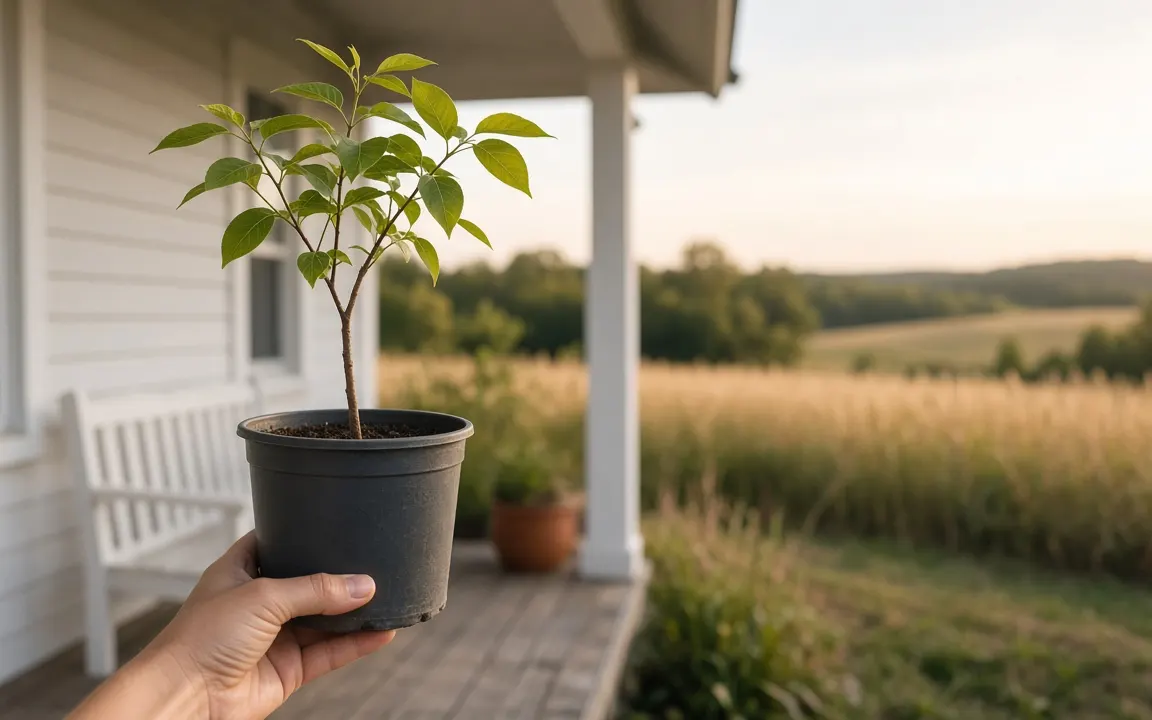
In a farm town like Palmer, many families mark a pet's resting place on their own land, with a stone at the edge of a field or a tree planted near the house. That work waits for thaw, usually May or June. Ashes keep indefinitely in a sealed urn, so there is time to decide. If you might move, keep a small portion in a keepsake so you can take it with you.
Horses, cattle, goats and sheep often share the land in the country around Palmer, and some trees are dangerous to them. Wilted red maple leaves are toxic to horses, and yew is poisonous to most livestock. If the memorial will stand near a pasture or fence line, ask a vet or the local extension office which species are safe for the animals that graze nearby.
Palmer is home to about 6,710 people, the 8th-largest of the 10 Alaska communities we cover. The nearest larger centre is Anchorage, about 37 miles (59 km) away, which is where some providers serving Palmer are based.
For a second opinion on price, Wasilla (11 miles), Anchorage (37 miles, a larger centre) and Kenai (100 miles) are close enough that their providers cover Palmer routinely. Two written quotes tell you more than any price list.
Our estimate
2,450
Palmer: dog- or cat-owning households, our estimate
How we calculated this
6,710 ÷ 2.5 = 2,684 households; × 53% (dog) + 39% (cat) = 2,450. A household with several pets counts once.
Our estimate
210
dog and cat deaths per year in Palmer, our estimate
How we calculated this
2,450 dog/cat-owning homes ÷ average lifespan (dog: 12.69 yrs + cat: 11.18 yrs) ≈ 210 a year. The real figure is unlikely to be lower.
53%[1]
53% of US households own a dog, which is about 71 million households.
12.69 years[2]
US dogs have an average life expectancy at birth of 12.69 years.
39%[3]
39% of US households own a cat, which is about 53 million households.
11.18 years[4]
US cats seen at Banfield hospitals have an average life expectancy at birth of 11.18 years.
The published sources behind those figures are American Pet Products Association (APPA) 2025 State of the Industry and Montoya et al. 2023, Frontiers in Veterinary Science.
Why cremation culture in Alaska shapes your options
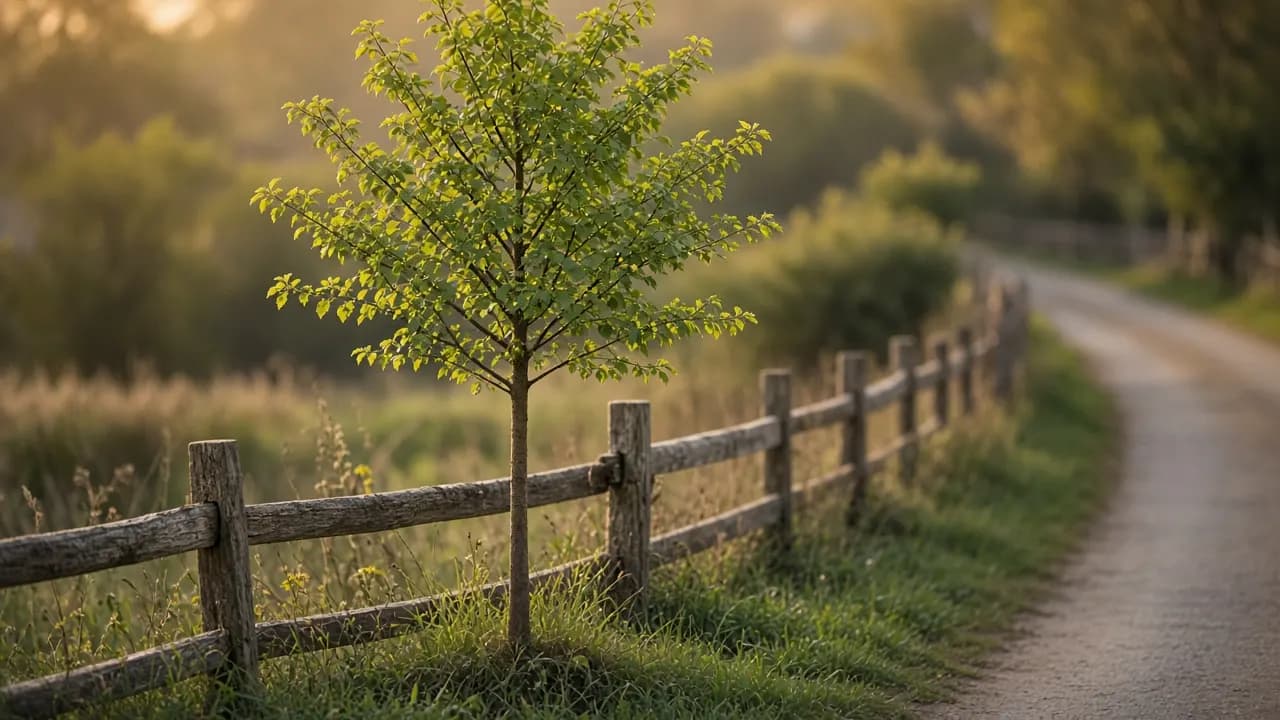
With roughly 74.1%[5] of people in Alaska cremated, the local funeral culture leans firmly toward ashes rather than graves. That has a practical upside for a living memorial. Nurseries, crematories and even some parks departments are used to questions about ashes, and you'll usually get a straight answer. It's still worth asking before you plant or scatter anywhere you don't own, because common practice isn't the same as permission.
That Alaska rate is a human one, published by NFDA 2024 Cremation & Burial Report state projections (via Occasional Sage) (2024). We quote it for Palmer only as a pointer to how families here already think about cremation.
Palmer seasons and your memorial tree
In Palmer, average lows fall below freezing in January, February, March, April, October, November and December, and frozen ground makes digging hard or impossible. That's no reason to rush. Ashes keep safely indoors for as long as you like, so many families wait for spring, once the soil has thawed and drained. Early autumn works too, as long as the tree has about six weeks of open ground to root in before the hard frosts.
A Palmer winter is a useful waiting room. With 7 months of freezing lows, you can mix the ashes with compost in a covered bin or tub in a garage or shed during the cold months and let the mix rest. One gardening guide suggests at least 90–120 days[6] before planting, which fits neatly between a winter loss and spring planting. Test the pH before the tree goes in.
Eco memorial prices, from urn to tree
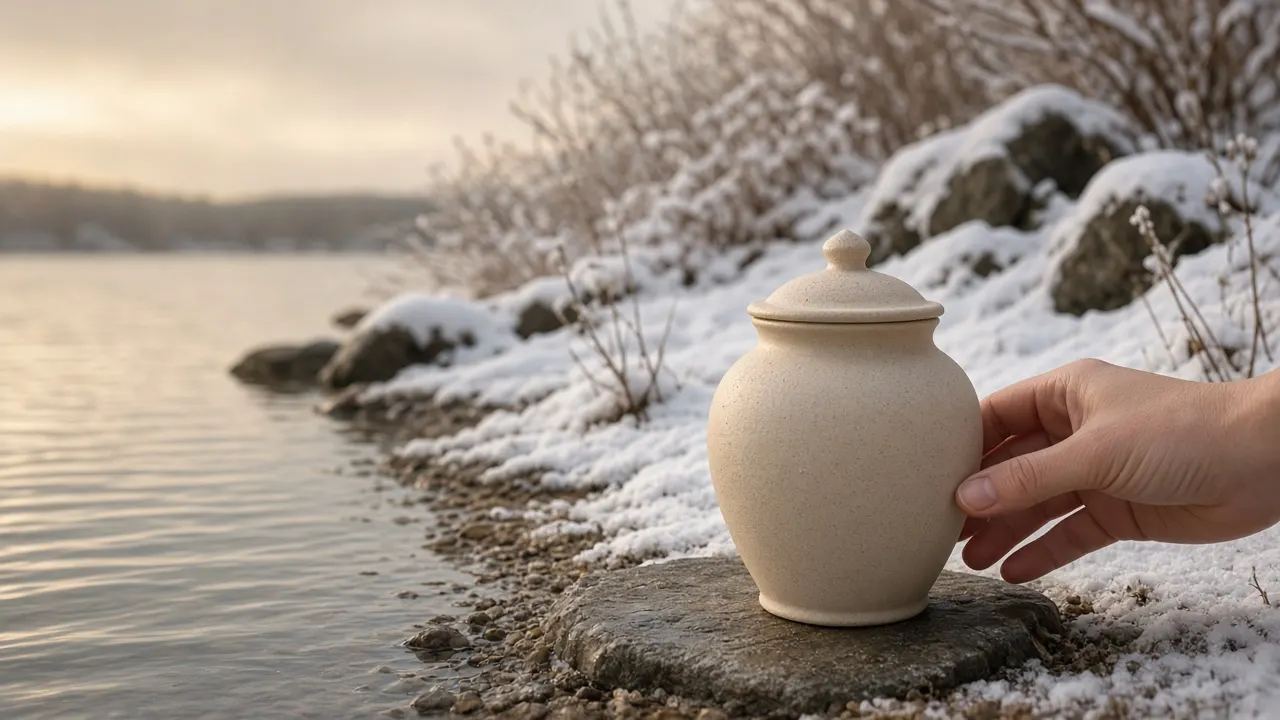
Here's how the pieces add up for a Palmer family. Private cremation of a dog averages about $260[7] nationally. A pet bio urn with a seed capsule is sold for about $99[8], and a planting system without the tree for $119[9]. Compost, pine bark and a pH kit add a few dollars more. Ask local providers for a written total before you choose.
The Alaska price table breaks costs down by product; our services page explains what sits behind each line.

Free tool
Memorial budget planner
Add up cremation, urn, keepsakes and a farewell so the total holds no surprises.
What Alaska allows for ashes, in general terms
Water releases need a little more care than a garden planting. Rivers, lakes, reservoirs and coastal waters in Alaska are managed by different bodies, and drinking-water sources are often off-limits. Wherever you release, use only a water-soluble urn or loose ashes, add nothing but loose flower petals, and let no plastic, ribbon or wreath wire float away.
Not sure which office covers Palmer? The Alaska local government directory is the official list.
The rules that apply across Alaska (home burial, scattering and who oversees pet cremation) are summarized on our Alaska page. Palmer may add its own conditions, so check with the city or county before digging.
What to do first, and what can wait for the right season
- If you're remembering more than one animal, decide early whether the ashes will be planted together or apart. Both are fine, but mixed ashes can't be separated later.
- Label each container clearly the moment it arrives, name and date on the lid, which matters most when the sets come home a long way apart.
- Choose a bigger planting area when there are several sets of ashes; a long hedge, a cluster of shrubs or a few fruit trees gives the minerals more ground to disperse into.
- Keep a spoonful of each in its own keepsake, so a family member who was closest to one particular pet has something just for them.
- Plan for the pets still living with you. Fresh soil with the scent of bone in it invites digging, so fence or cover the spot until it has settled.
- Add a marker for each name, or a single stone carrying all of them, so anyone visiting understands who is remembered there.
Keeping your pet's memory growing in Palmer
The Matanuska Valley's mix of homestead history and modern families shows in how people remember animals here: a handmade wooden marker, a stone engraved with a name, an urn on the mantel, or a pendant with a little ash inside. There is no right answer. Choose something you'll still want to look at in ten years, and don't let anyone rush you.
or look at how readers voted in our polls, See what each option includes on our services page, the planning tools turn your pet's details into figures, the guides answer the longer questions and the blog the newer ones. You can also browse every city in the United States. Nearby, we also cover Sitka, Juneau, Anchorage and Wasilla, and every city in Alaska.

Reader polls
What would you choose?
Vote anonymously and see how other readers answered. The results are live counts from people who visit this site, so they show real opinions, not a scientific sample.
If water cremation (aquamation) were offered near you, would you choose it?
Tap an answer to vote and see how others answered. Anonymous.
If you rent or might move, how would you handle a memorial planting?
Tap an answer to vote and see how others answered. Anonymous.
If you had to decide today, which aftercare would you choose for your pet?
Tap an answer to vote and see how others answered. Anonymous.

Free tools to help you plan
Memorial budget planner
Add up cremation, urn, keepsakes and a farewell so the total holds no surprises.

Memorial tree finder
Pick a tree for a planting urn that suits your climate, space and pet.

Aftercare options compared
Compare private, communal and water cremation with burial on cost, timing and what comes home.
Questions people ask
How does Palmer's weather affect pet aftercare?
July is the hottest month in Palmer, with average highs around 66°F, so prompt collection matters most then. Average lows drop below freezing in January, February, March, April, October, November and December, which can make digging a grave hard until spring.
Which nearby towns can I compare with Palmer?
The closest communities we cover are Wasilla (about 11 miles), Anchorage (about 37 miles) and Kenai (about 100 miles). Providers based in those places often serve Palmer too. Ask each one for a written total that includes collection, so the distance is priced in.
Is Palmer big enough to have several pet aftercare providers?
Probably, on the numbers. By our estimate about 2,450 Palmer households keep a dog or cat and around 210 lose one each year, which is enough steady demand to support more than one provider. We derive that from population (about 6,710), household size and national ownership and lifespan figures.
Why does the Palmer page quote a human cremation rate?
Because it is the best local signal we have. NFDA 2024 Cremation & Burial Report state projections (via Occasional Sage) (2024) reports about 74.1%[5] of Alaska residents are cremated. There is no official pet equivalent, and inventing one would be worse than quoting a real, clearly labelled number.
How much does pet aquamation cost?
One US pet insurer's guide lists aquamation at $80 to $450 depending on size[11]. As a real example, a Delaware provider charges $150–$450[12] for private aquamation by weight, including a standard urn, and $50–$225[13] for communal. Prices in Palmer depend on who offers it, so ask for a written total.
Where can I buy a native tree for a pet memorial in Palmer?
A local nursery or garden center is the best place, because staff know what survives local heat, cold and soil. Some county extension offices and native plant societies run plant sales too. Ask for a two-year-old sapling of a species that tolerates slightly alkaline soil, and ask how much water it needs in its first summer.


Sources and our estimates
- [1] 53% of US households own a dog, which is about 71 million households. American Pet Products Association (APPA) 2025 State of the Industry, 2025.
- [2] US dogs have an average life expectancy at birth of 12.69 years. Montoya et al. 2023, Frontiers in Veterinary Science - Banfield Pet Hospital life expectancy tables (13.3 million dogs, 2.4 million cats, 2013-2019), 2023.
- [3] 39% of US households own a cat, which is about 53 million households. American Pet Products Association (APPA) 2025 State of the Industry, 2025.
- [4] US cats seen at Banfield hospitals have an average life expectancy at birth of 11.18 years. Montoya et al. 2023, Frontiers in Veterinary Science - Banfield Pet Hospital life expectancy tables (13.3 million dogs, 2.4 million cats, 2013-2019), 2023.
- [5] The NFDA projected Alaska's cremation rate at 74.1% for 2024. NFDA 2024 Cremation & Burial Report state projections (via Occasional Sage), 2024.
- [6] Gardening Know How advises letting an ash/soil-amendment mixture sit for at least 90 to 120 days before planting. Gardening Know How — Planting With Cremains: Is There a Safe Way to Bury Ashes, 2024.
- [7] CareCredit's 2025 cost study put the US national average for private dog cremation at $260 (range $206-$473). CareCredit (Synchrony) - How Much Does It Cost To Euthanize a Dog? (2025 ASQ360 procedural cost study), 2025.
- [8] The Bios Urn for pets, a biodegradable urn with a seed capsule, costs $99. Bios Urn – Pets, 2026.
- [9] The Living Urn's pet bio-urn planting system (without a tree) costs $119. The Living Urn – Pet tree urn, 2026.
- [10] U.S. pet flame cremations emit on the order of 47,000 t CO2e a year. Our estimate: 1.5M pet cremations x 31.3 kg CO2e. How we calculate.
- [11] Embrace Pet Insurance lists US communal cremation at $30-$200, partitioned at $50-$250, private at $100-$500+ and aquamation at $80-$450. Embrace Pet Insurance - Bury or Cremate Your Dog? Costs, Pros & Cons, 2025.
- [12] Delaware Pet Aquamation charges $150–$450 for private aquamation by weight, from under 10 lb to 150 lb and over, including a standard urn. Delaware Pet Aquamation – Pricing, 2026.
- [13] Communal aquamation at the same Delaware provider costs $50–$225 by weight. Delaware Pet Aquamation – Pricing, 2026.
Get eco memorial ideas by email
Tell us what you need and where you are. We'll reply by email with clear options and prices so you can decide in your own time.