Tree, garden and water memorials in Denver
About 22,500 dogs and cats are lost in Denver each year, by our estimate. If you'd like your pet's ashes to grow into a tree or return to the water, this page covers the soil, the season and the cost.
- Trees matched to Denver's climate
- Soil-safe planting method for ashes
- Real prices for bio urns and aquamation
Denver, Colorado
Planning a greener goodbye in Denver
Hail, sun and repeated freezing and thawing are hard on outdoor memorials along the Front Range. Solid granite, flagstone or metal markers hold up far better than painted wood or resin. If you rent, a large pot with a hardy perennial and a small engraved stone keeps the memorial movable. Placing the marker where it gets afternoon shade also slows fading.
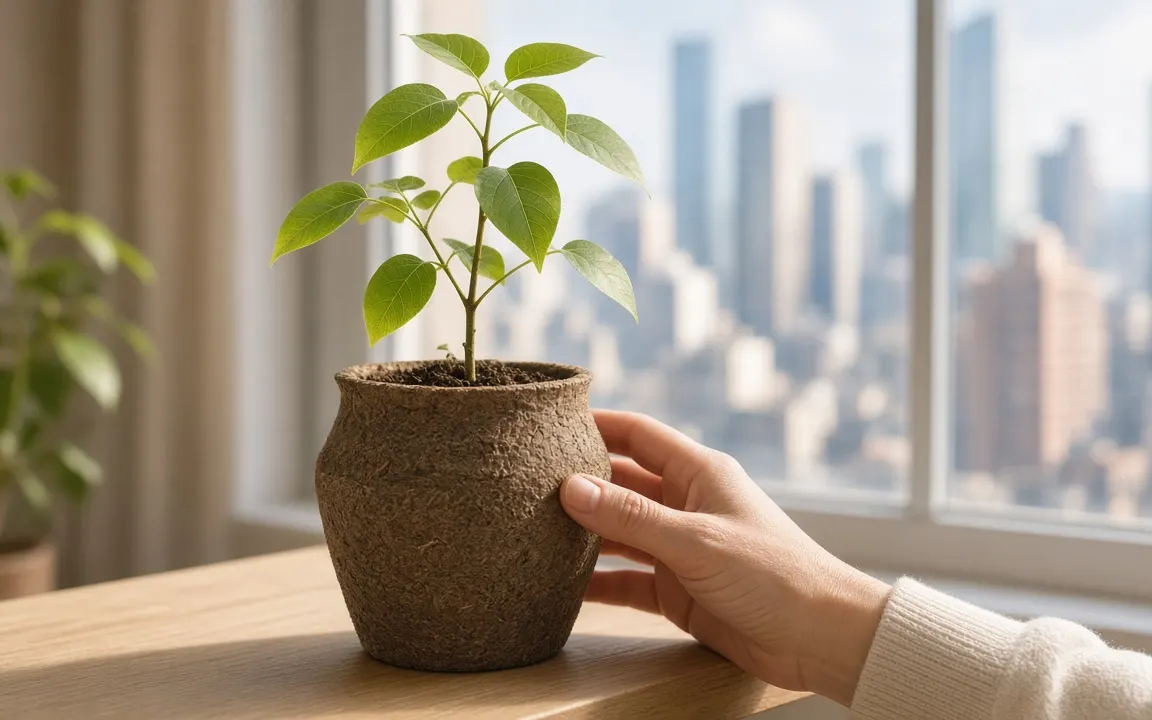
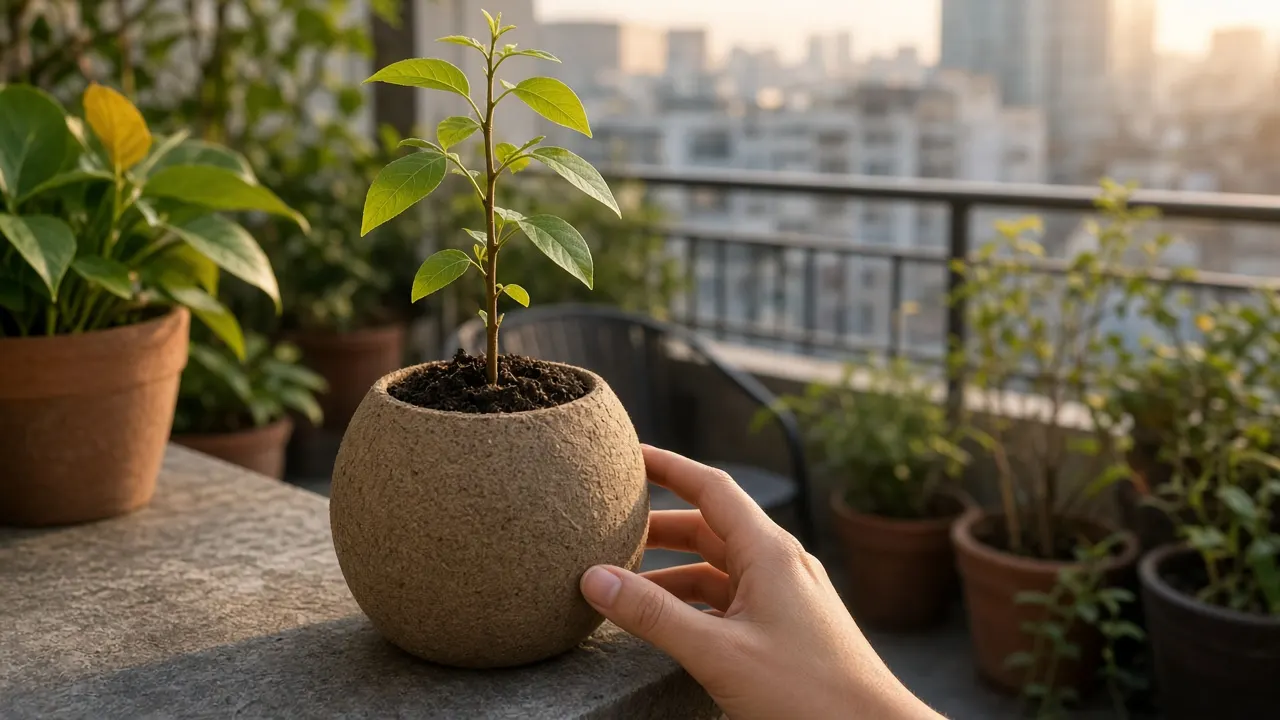
Many Denver owners think of the Rockies, Red Rocks or a favorite hike in the foothills when they imagine scattering ashes. State and national lands have their own policies, so look them up before you go and choose a quiet place away from water sources. A biodegradable urn with a pine or aspen seedling in your yard can also make a meaningful memorial.
Public space in Denver is shared by a lot of people, and that shapes where a memorial can go. City parks, riverbanks and beaches are managed by someone, and most expect you to ask before scattering or planting anything. Rather than planting a tree in a park without asking, look at the places you control: your own yard, a large pot, a family member's garden, or a quiet release on water where it's allowed. Our local notes below explain who to ask.
Denver is home to about 740,613 people, the largest of the 36 Colorado communities we cover.
Our pages for Lakewood (5 miles), Englewood (6 miles) and Wheat Ridge (7 miles) describe the same choices from those towns' point of view, and the providers overlap, so a quote from one often covers Denver as well.
Our estimate
275,000
Estimated dog- or cat-owning households in Denver
How we calculated this
740,613 ÷ 2.5 = 296,245 households; × 53% (dog) + 39% (cat) = 275,000. A household with several pets counts once.
Our estimate
22,500
Estimated dog and cat losses in Denver each year
How we calculated this
275,000 dog/cat-owning homes ÷ average lifespan (dog: 12.69 yrs + cat: 11.18 yrs) ≈ 22,500 a year. Treat it as a minimum.
53%[1]
53% of US households own a dog, which is about 71 million households.
12.69 years[2]
US dogs have an average life expectancy at birth of 12.69 years.
39%[3]
39% of US households own a cat, which is about 53 million households.
11.18 years[4]
US cats seen at Banfield hospitals have an average life expectancy at birth of 11.18 years.
To check the figures yourself, see American Pet Products Association (APPA) 2025 State of the Industry and Montoya et al. 2023, Frontiers in Veterinary Science.
Cremation habits in Colorado, and what they mean for a bio urn
About 77.4%[5] of people in Colorado are cremated, so ashes are part of everyday life here in a way they aren't everywhere. Many families have already scattered or planted a grandparent's ashes and know how it felt. If you did, you'll recognise much of the process for a pet, with one difference worth knowing: a pet's ashes are a much smaller amount, which makes mixing them safely into soil far easier.
The Colorado percentage above is from NFDA 2024 Cremation & Burial Report state projections (via Occasional Sage) (2024) and refers to human funerals. Treat it as context for Denver, not as a count of pets.
What Denver's climate means for a living memorial
In places like Denver, driveways and sidewalks are often salted in January, February, March, November and December. Ashes already add sodium to the soil, and road salt splashed onto the same bed doubles the load. Keep a memorial planting well back from salted paths and the edge of the road, and away from where snow gets piled. A spot uphill from the drive is better than one downhill of it.
Snow can hide a young memorial tree and the damage done around it. In Denver, where lows average about 18°F in January, voles and rabbits chew bark under the snow line, and snowplows or shovels can snap a sapling. Put a tall stake beside the planting so you can find it, and fit a loose guard around the trunk before the first snow.
Adding up the cost of a bio urn memorial in Denver
It helps to compare a planted memorial with the alternatives. A pet cemetery burial for a dog averages about $831[6] in the US, which by our estimate is around 3.2 times the national average for private cremation[7]. Private cremation plus a bio urn and a sapling in your own Denver garden usually comes in far below a cemetery plot, and there are no yearly maintenance fees.
The full price table by product is on our Colorado page, and the services page explains what each option includes.

Free tool
Memorial budget planner
Add up cremation, urn, keepsakes and a farewell so the total holds no surprises.
Land, water and permission in Colorado
What you plant can matter as much as where. Parks and nature reserves in Colorado often forbid planting anything at all, and even on private land some trees and shrubs are listed as invasive in parts of the region. A local nursery or native plant society can steer you toward a species that won't spread into wild land.
For what Denver itself says, see City and County of Denver. Its pages cover municipal collection; a private cremation is arranged separately. The official Colorado local government directory lists every county and city office, which is the quickest way to find who to ask in Denver.
The Colorado page sets out who oversees pet cremation and what the state says about burial and scattering. Denver's own bylaws can sit on top of that, so ask before you dig.
Your next steps, whatever your situation
- If the pet belonged to a child, tell them plainly what happened and what cremation means, in words that fit their age.
- Let them choose the plant, but from a handful of options you've vetted first for hardiness and for being harmless to the other animals in the house.
- Use a pot for a small pet like a guinea pig, rabbit or hamster: the ashes amount to very little, and a container keeps the memorial within reach.
- Give them real jobs on the day: blending the compost, scooping it into the pot, watering, picking a stone to paint.
- Explain the ashes honestly as part of their pet that's now feeding the plant, and answer questions as they come, even months later.
- Take a photo of the child with the plant on the same day every year; over time you'll have a record of the two of them growing up.
Ways to mark the spot and the date
Denver has a lively art scene, and many local studios make custom urns in pottery, wood or glass, alongside pendants, engraved stones and paw print castings. Small memorials fit easily into lofts and apartments. For a large animal, check with the provider on the likely volume of ashes before you order a vessel, since it can be several times what a small pet returns.
The services page is the place to compare what is included, or see what other families chose in the poll results, run the numbers with the free planning tools, there are guides for the big decisions and articles for the details. Close to Denver we also cover Colorado Springs, Lakewood, Aurora and Thornton; the full list for Colorado and for the United States is a click away.

Reader polls
What would you choose?
Vote anonymously and see how other readers answered. The results are live counts from people who visit this site, so they show real opinions, not a scientific sample.
If water cremation (aquamation) were offered near you, would you choose it?
Tap an answer to vote and see how others answered. Anonymous.
If you rent or might move, how would you handle a memorial planting?
Tap an answer to vote and see how others answered. Anonymous.
If you had to decide today, which aftercare would you choose for your pet?
Tap an answer to vote and see how others answered. Anonymous.

Free tools to help you plan
Memorial budget planner
Add up cremation, urn, keepsakes and a farewell so the total holds no surprises.

Memorial tree finder
Pick a tree for a planting urn that suits your climate, space and pet.

Aftercare options compared
Compare private, communal and water cremation with burial on cost, timing and what comes home.
Questions people ask
Is cremation common in Colorado?
For people, yes: about 77.4%[5] of Colorado deaths end in cremation, according to NFDA 2024 Cremation & Burial Report state projections (via Occasional Sage) (2024). Nobody publishes the same figure for pets, but in our experience pet choices in Denver follow the human pattern closely, so cremation is the default most families here start from.
Can a provider from a neighbouring town collect from Denver?
Usually yes. Lakewood is about 5 miles away, Englewood is about 6 miles away and Wheat Ridge is about 7 miles away, all inside a normal collection radius. Get the mileage written into the quote so there is no surprise on the day.
How many pet owners live in Denver?
By our estimate, about 275,000 households in Denver have at least one dog or cat, and around 22,500 are lost each year. We calculate this from the city's population of about 740,613, the average household size and national ownership and lifespan figures, so treat it as a floor rather than an exact count.
How does Denver's weather affect pet aftercare?
July is the hottest month in Denver, with average highs around 90°F, so prompt collection matters most then. Average lows drop below freezing in January, February, March, November and December, which can make digging a grave hard until spring.
How many dogs and cats are there in Denver?
By our estimate, about 275,000 households in Denver have a dog or a cat, and around 22,500 of those pets die each year. We calculate this from the city's population, average household size and national pet ownership and lifespan figures. The method is shown on this page, and the real number of animals is higher.
Can I plant a tree directly on my pet's ashes in Denver?
It's better not to. Cremated remains have a very high pH, around 11.7[9], and they're high in sodium, so a solid layer of ash under the roots can yellow or kill a young tree. Mix the ashes through plenty of compost and soil across a wider area, test the pH, and plant once it has come down. There's no single mixing ratio that suits every pet and every soil.


Sources and our estimates
- [1] 53% of US households own a dog, which is about 71 million households. American Pet Products Association (APPA) 2025 State of the Industry, 2025.
- [2] US dogs have an average life expectancy at birth of 12.69 years. Montoya et al. 2023, Frontiers in Veterinary Science - Banfield Pet Hospital life expectancy tables (13.3 million dogs, 2.4 million cats, 2013-2019), 2023.
- [3] 39% of US households own a cat, which is about 53 million households. American Pet Products Association (APPA) 2025 State of the Industry, 2025.
- [4] US cats seen at Banfield hospitals have an average life expectancy at birth of 11.18 years. Montoya et al. 2023, Frontiers in Veterinary Science - Banfield Pet Hospital life expectancy tables (13.3 million dogs, 2.4 million cats, 2013-2019), 2023.
- [5] The NFDA projected Colorado's cremation rate at 77.4% for 2024. NFDA 2024 Cremation & Burial Report state projections (via Occasional Sage), 2024.
- [6] CareCredit's 2025 cost study put the US national average for pet cemetery burial of a dog at $831 (range $659-$1,513). CareCredit (Synchrony) - How Much Does It Cost To Euthanize a Dog? (2025 ASQ360 procedural cost study), 2025.
- [7] US pet cemetery burial for a dog costs about 3.2x a private cremation ($831 vs $260 national averages). Our estimate: 831 / 260 = 3.20. How we calculate.
- [8] U.S. pet flame cremations emit on the order of 47,000 t CO2e a year. Our estimate: 1.5M pet cremations x 31.3 kg CO2e. How we calculate.
- [9] Cremated remains have a very high pH of approximately 11.7, which is toxic to plants without amendment. Larkspur Conservation — Giving Cremated Remains a New Life Through Science, 2024.
Plan a living memorial in Denver
Tell us what you need and where you are. We'll reply by email with clear options and prices so you can decide in your own time.