Growing something from the goodbye in Jacksonville
Jacksonville has an estimated 375,000 dog- or cat-owning households. When a planting or water memorial feels right for yours, here's what works in the local climate and what to ask before you buy.
- Options for renters and apartments
- Water release rules in plain words
- No obligation, we reply by email
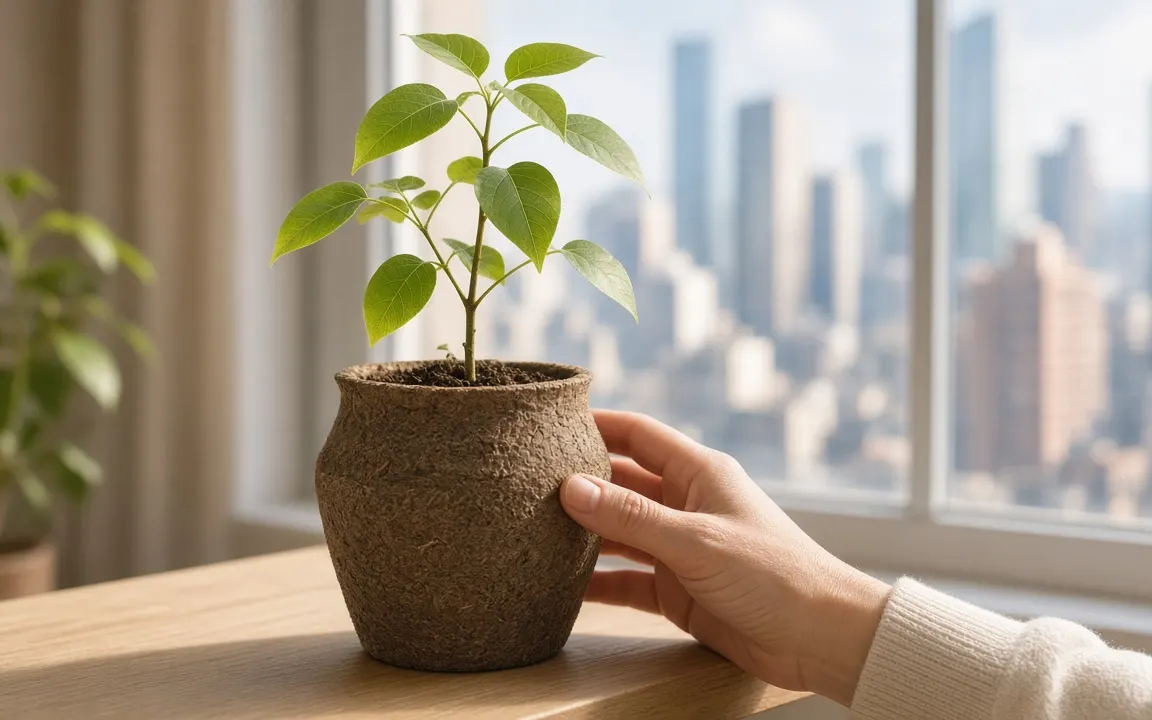
Jacksonville, Florida
Living memorials in Jacksonville: the local picture
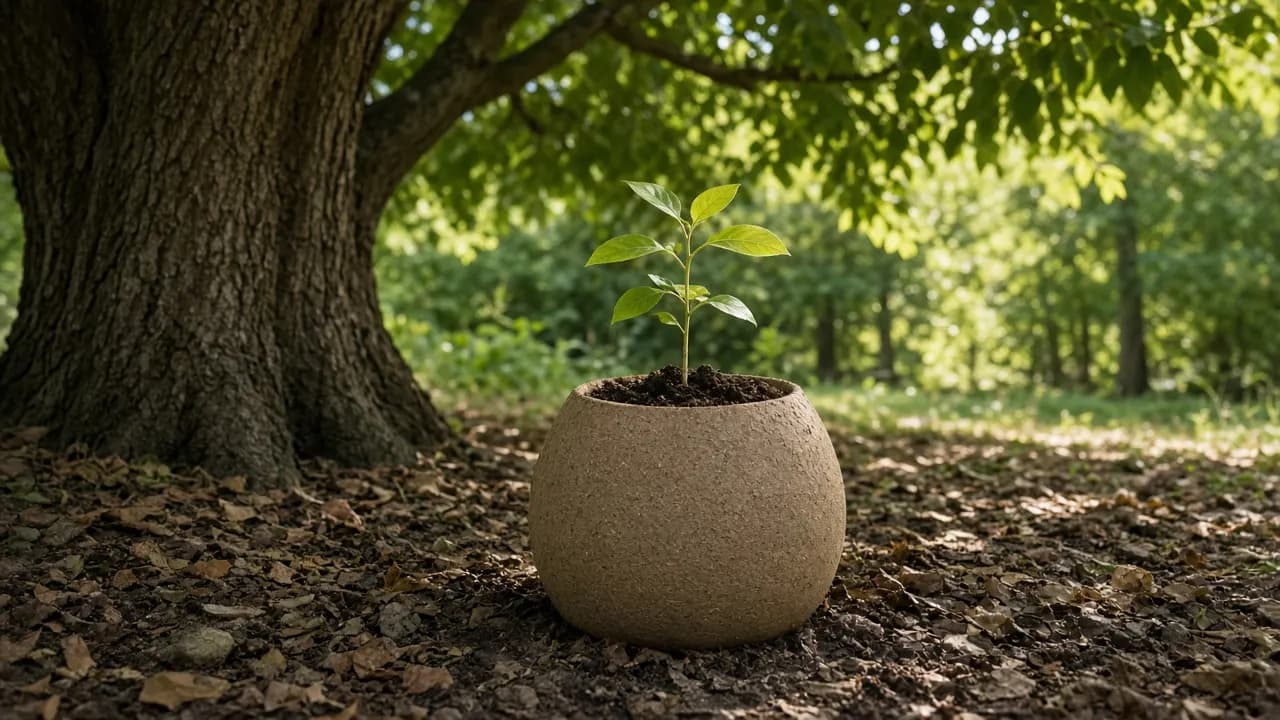
Many Jacksonville families keep a pet's ashes at home in an urn, often with a collar and photo. Those with a yard sometimes add a memorial stone under a live oak or palm, where Spanish moss and shade make it a gentle place to sit. Because the sandy ground here shifts after heavy rain, a flat stone set on a gravel base tends to stay level. Ask for paw prints before collection.
The ocean and the St. Johns River are central to life in Jacksonville, and some families want to return a pet's ashes to the water, perhaps at the Beaches or from a boat on the river. Biodegradable water urns are designed for that. Choose a calm day, avoid busy beaches, and remember that a scattering is permanent, so you may want to keep a small portion in a keepsake first.
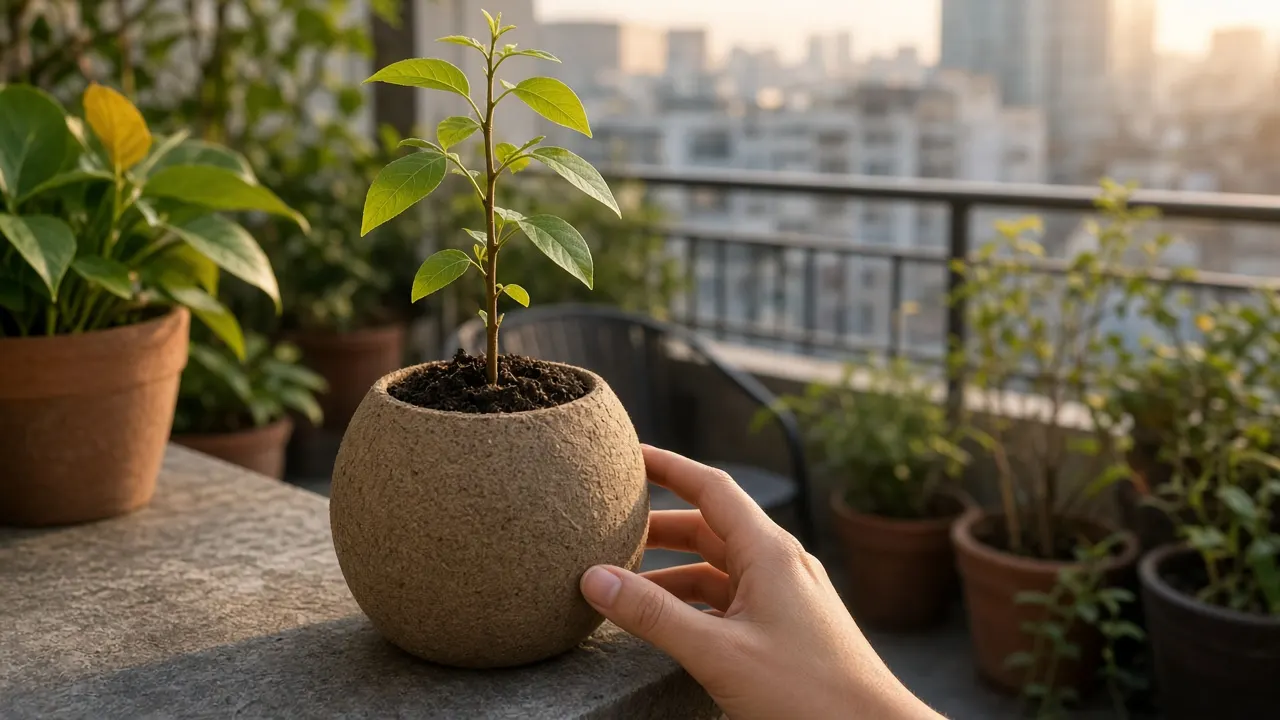
A balcony memorial in Jacksonville needs one check most people skip: weight. A large pot of wet soil with a small tree can weigh several hundred pounds, and many apartment and condo buildings limit what balconies may carry or what can hang over a railing. Ask building management before you buy. A lighter fiberglass planter, a lightweight potting mix and a compact shrub often solve the problem.
Jacksonville is home to about 1,017,689 people, the largest of the 235 Florida communities we cover.
Families in Jacksonville often end up using a provider from Orange Park (12 miles), Atlantic Beach (15 miles) and Neptune Beach (16 miles). That is normal: crematories serve a radius, not a single town, and the drive is priced into collection.
Our estimate
375,000
How many dog- or cat-owning households Jacksonville has (estimate)
How we calculated this
1,017,689 ÷ 2.5 = 407,076 households; × 53% (dog) + 39% (cat) = 375,000. A household with several pets counts once.
Our estimate
31,000
Jacksonville families who lose a dog or cat each year (estimate)
How we calculated this
375,000 dog/cat-owning homes ÷ average lifespan (dog: 12.69 yrs + cat: 11.18 yrs) ≈ 31,000 a year. Treat it as a minimum.
53%[1]
53% of US households own a dog, which is about 71 million households.
12.69 years[2]
US dogs have an average life expectancy at birth of 12.69 years.
39%[3]
39% of US households own a cat, which is about 53 million households.
11.18 years[4]
US cats seen at Banfield hospitals have an average life expectancy at birth of 11.18 years.
We built the this numbers from American Pet Products Association (APPA) 2025 State of the Industry and Montoya et al. 2023, Frontiers in Veterinary Science, and both are worth a look if you want the detail.
The local attitude to ashes and memorials
Because cremation is the norm in Florida, at roughly 72.5%[5] of deaths, green ideas about ashes are easy to raise without raised eyebrows. In the US, 68%[6] of people in NFDA's 2024 consumer survey expressed interest in green funeral or natural burial options. If you'd like the lower-impact route for a pet, start with the cremation method, then choose an urn that breaks down and a native plant.
Source for the Florida number: NFDA 2024 Cremation & Burial Report state projections (via Occasional Sage) (2024). Nobody publishes a pet cremation rate for Jacksonville, so the human figure is the best local signal available.
Choosing the right month to plant in Jacksonville
In a hot climate like Jacksonville's, with highs of about 92°F in July, salt is a bigger problem than in wetter places. Rain is what washes sodium from ashes down past the roots, and dry heat lets it build up near the surface. Mix the ashes through a much larger volume of soil and compost than you'd think necessary, and water deeply and slowly after planting so salts move down, not up.
Biodegradable urns are made to break down, and heat and humidity can start that early. In Jacksonville, where July highs average about 92°F, keep a paper, cornstarch or coconut-fiber urn indoors, somewhere cool and dry, until the planting day. Don't leave it in a car, a hot shed or a garage through May, June, July, August and September, or it may soften or split before it reaches the ground.
Price ranges for planting and water urns
For a medium-size dog, published private aquamation prices at two US providers sit around $200–$259[7], and one Arizona provider's individual aquamation price of $75–$349[8] includes an urn, nameplate and ink paw print. Whether a Jacksonville provider bundles extras like that makes a real difference when you compare. Add the bio urn or tree separately, and use the planner below to see the total.
The full price table by product is on our Florida page, and the services page explains what each option includes.

Free tool
Memorial budget planner
Add up cremation, urn, keepsakes and a farewell so the total holds no surprises.
Scattering and planting rules in Florida
Cremated remains aren't a health hazard in the way a body is, which is why planting ashes in your own garden is rarely restricted. Public places are different. Parks, nature reserves, beaches and waterways in Florida each have a manager with their own policy, and some don't allow scattering or planting at all. A short email before the day saves an awkward conversation.
Florida keeps an official directory of local governments; use it to reach the county or city office that covers Jacksonville.
The Florida page sets out who oversees pet cremation and what the state says about burial and scattering. Jacksonville's own bylaws can sit on top of that, so ask before you dig.
From ashes to a growing tree: the steps
- If you're remembering more than one animal, decide early whether the ashes will be planted together or apart. Both are fine, but mixed ashes can't be separated later.
- Label each container clearly the moment it arrives, name and date on the lid, which matters most when the sets come home a long way apart.
- Choose a bigger planting area when there are several sets of ashes; a long hedge, a cluster of shrubs or a few fruit trees gives the minerals more ground to disperse into.
- Keep a spoonful of each in its own keepsake, so a family member who was closest to one particular pet has something just for them.
- Plan for the pets still living with you. A new planting that smells of bone attracts diggers, so protect it for the first few months.
- Add a marker for each name, or one stone that lists them all, so visitors know who the planting is for.
Remembering your pet, in Jacksonville and wherever you go next
With Navy bases at Mayport and on the Westside, Jacksonville has many military families, and memorials here often need to travel. A shadow box with a collar and photo, a compact urn, or jewelry holding a small portion of ashes can move with you to the next posting. For families who expect to relocate, a portable keepsake is often more practical than a garden memorial.
or compare your instinct with the poll results, try the free planning tools, Every option Jacksonville families choose between is on the services page, go deeper with the guides or catch up on recent articles. You can also browse every city in the United States. Nearby, we also cover Miami, Cape Coral, St. Petersburg and Orlando, and every city in Florida.

Reader polls
What would you choose?
Vote anonymously and see how other readers answered. The results are live counts from people who visit this site, so they show real opinions, not a scientific sample.
What kind of tree or plant would you choose?
Tap an answer to vote and see how others answered. Anonymous.
Would you consider releasing your pet's ashes in water?
Tap an answer to vote and see how others answered. Anonymous.
If you had to decide today, which aftercare would you choose for your pet?
Tap an answer to vote and see how others answered. Anonymous.

Free tools to help you plan
Memorial budget planner
Add up cremation, urn, keepsakes and a farewell so the total holds no surprises.

Memorial tree finder
Pick a tree for a planting urn that suits your climate, space and pet.

Aftercare options compared
Compare private, communal and water cremation with burial on cost, timing and what comes home.
Questions people ask
Does the Jacksonville climate change what I should do first?
Only the timing. In July, with highs near 92°F, cool the body and book collection the same day. Winters here are mild enough that burial or scattering is possible in any month.
Is Jacksonville big enough to have several pet aftercare providers?
Probably, on the numbers. By our estimate about 375,000 Jacksonville households keep a dog or cat and around 31,000 lose one each year, which is enough steady demand to support more than one provider. We derive that from population (about 1,017,689), household size and national ownership and lifespan figures.
Which nearby towns can I compare with Jacksonville?
The closest communities we cover are Orange Park (about 12 miles), Atlantic Beach (about 15 miles) and Neptune Beach (about 16 miles). Providers based in those places often serve Jacksonville too. Ask each one for a written total that includes collection, so the distance is priced in.
How do Florida attitudes to cremation compare?
NFDA 2024 Cremation & Burial Report state projections (via Occasional Sage) (2024) puts the Florida human cremation rate at about 72.5%[5]. We show it on the Jacksonville page because pet aftercare choices tend to track it: where cremation is normal for people, communal and private pet cremation are both easy to find.
Is water cremation better for the environment?
It uses much less energy: pet aquamation is claimed to use about 90%[10] less energy than flame cremation, and it uses about as much water as 1–3 pet baths[11] per pet. The strongest carbon figures come from studies of human funerals, not pets, so treat them as a direction rather than a promise. You still get ashes back for a bio urn.
How do I prepare pet ashes for planting?
Spread the ashes through a large volume of compost and soil rather than pouring them into the hole in one layer. Many gardeners add acidic material such as composted pine bark or leaf mould. One gardening guide suggests letting the mix rest for 90–120 days[12] before planting. A garden-center pH kit tells you when the mix is ready.


Sources and our estimates
- [1] 53% of US households own a dog, which is about 71 million households. American Pet Products Association (APPA) 2025 State of the Industry, 2025.
- [2] US dogs have an average life expectancy at birth of 12.69 years. Montoya et al. 2023, Frontiers in Veterinary Science - Banfield Pet Hospital life expectancy tables (13.3 million dogs, 2.4 million cats, 2013-2019), 2023.
- [3] 39% of US households own a cat, which is about 53 million households. American Pet Products Association (APPA) 2025 State of the Industry, 2025.
- [4] US cats seen at Banfield hospitals have an average life expectancy at birth of 11.18 years. Montoya et al. 2023, Frontiers in Veterinary Science - Banfield Pet Hospital life expectancy tables (13.3 million dogs, 2.4 million cats, 2013-2019), 2023.
- [5] The NFDA projected Florida's cremation rate at 72.5% for 2024. NFDA 2024 Cremation & Burial Report state projections (via Occasional Sage), 2024.
- [6] 68% of respondents to NFDA's 2024 Consumer Awareness and Preferences Survey expressed interest in green funeral or natural burial options. NFDA — Green Burial Resources for Funeral Professionals, 2024.
- [7] Private aquamation for a 21–50 lb dog costs about $200–$259 at two posted US price lists. Our estimate: Delaware 10–49 lb $200; A Greener Place 21–50 lb $259. How we calculate.
- [8] A Greener Place in Mesa, Arizona, charges $75–$349 for individual pet aquamation by weight, including an urn, nameplate and ink paw print. A Greener Place Pet Aquamation – Pricing, 2026.
- [9] U.S. pet flame cremations emit on the order of 47,000 t CO2e a year. Our estimate: 1.5M pet cremations x 31.3 kg CO2e. How we calculate.
- [10] Pet aquamation is described as available across all 50 US states, and is claimed to use about 90% less energy than flame cremation. Be a Tree Cremation pet aquamation guide, 2025.
- [11] Aquamation uses about the same water per pet as 1–3 pet baths. Veterinary Sustainability Alliance — Aquamation, 2024.
- [12] Gardening Know How advises letting an ash/soil-amendment mixture sit for at least 90 to 120 days before planting. Gardening Know How — Planting With Cremains: Is There a Safe Way to Bury Ashes, 2024.
Plan a living memorial in Jacksonville
Tell us what you need and where you are. We'll reply by email with clear options and prices so you can decide in your own time.