Greener pet aftercare in Orlando, Florida
By our estimate, around 125,000 households in Orlando share their home with a dog or cat, and roughly 10,000 of those pets die each year. More of those families now ask about planting or water memorials. Here's how to do it well.
- When to plant in your season
- How much ash your urn must hold
- Aquamation providers in your area
Orlando, Florida
Your living memorial options around Orlando
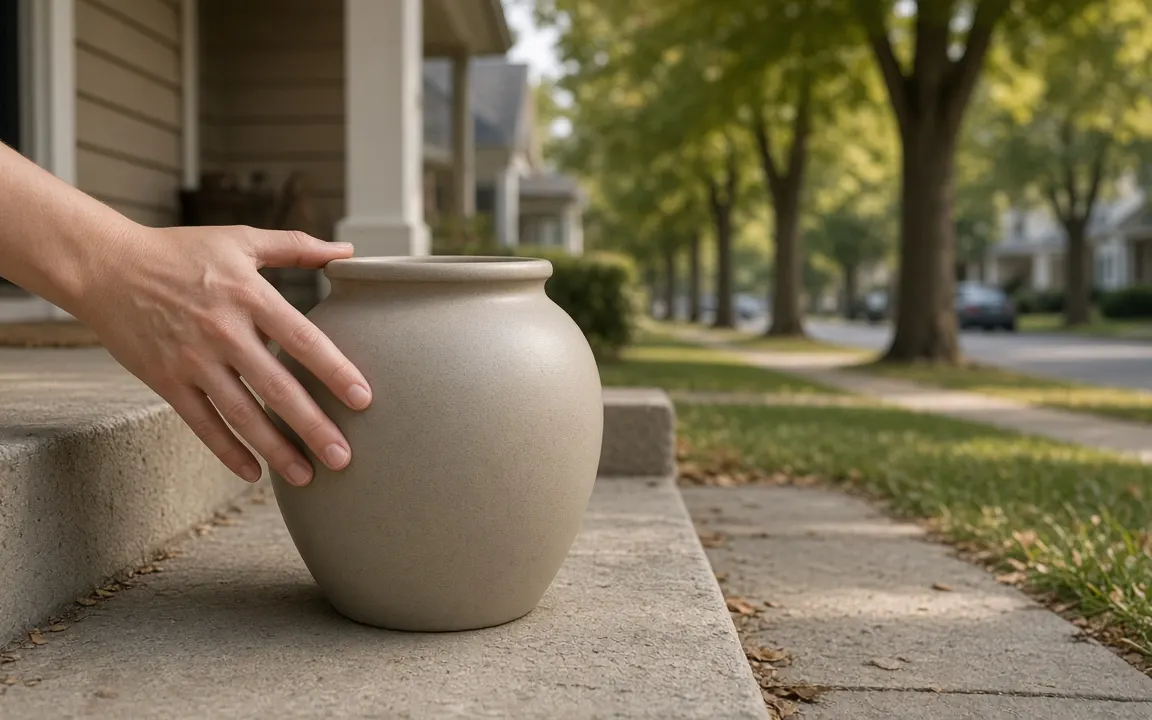
Many Orlando families keep a pet's ashes at home in a small urn, or share them in keepsake containers among relatives across Florida and beyond. Jewelry holding a pinch of ashes, a framed paw print or an engraved garden stone are also common. If you rent or might move, something portable is easier to keep with you. Ask for a paw print before cremation if you'd like one.
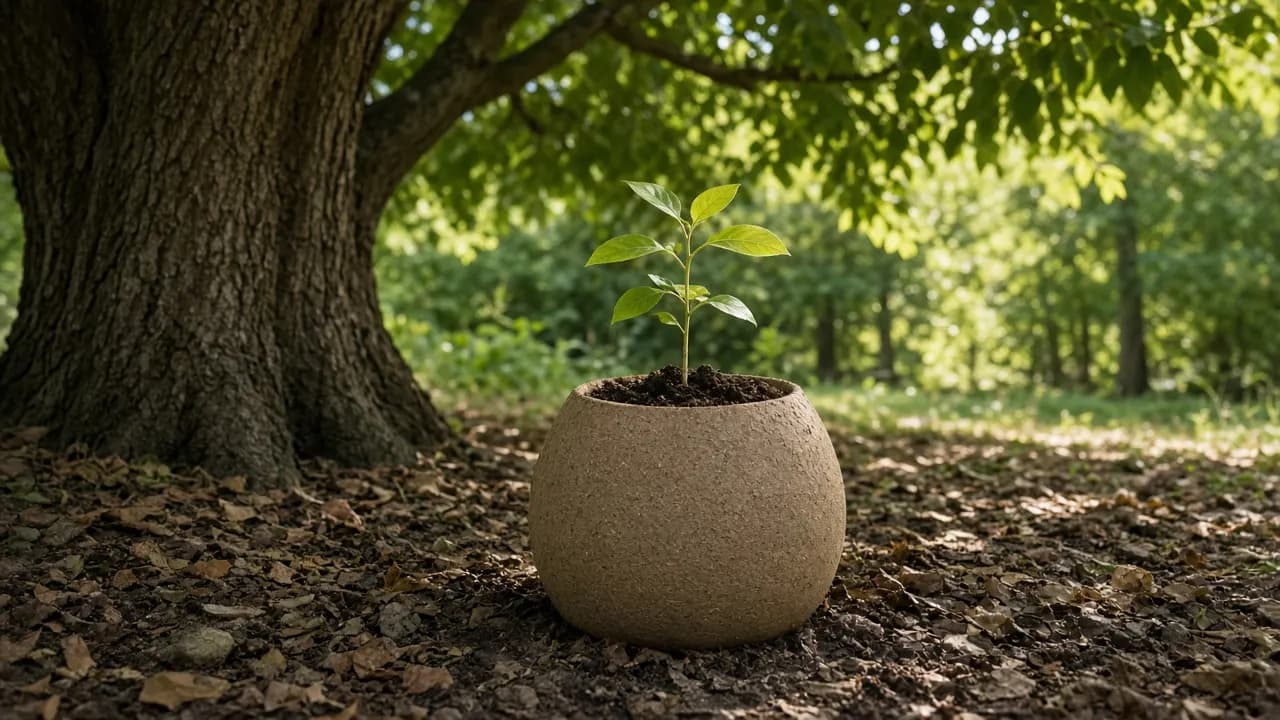
Florida's sun, humidity and summer storms are hard on outdoor memorials. Stone, sealed concrete and powder-coated metal last longest; painted wood and some resins fade or crack. A memorial tree or shrub suited to Central Florida, planted with a biodegradable urn, can be a lovely choice, as long as you plant it somewhere that won't flood. Low-lying yards near lakes and retention ponds can hold water for days after a summer storm, so higher ground is kinder to a memorial.
Many Orlando households have a yard, which opens up the classic option: a memorial tree in the ground. Before you pick a spot, think ten or twenty years ahead. A tree needs distance from the house, sewer lines and overhead wires, and it stays with the property when you sell. If a move is likely, a large container, a relative's garden or a shrub bed that a future owner won't mind are all kinder choices than a shade tree you'll have to leave behind.
About 333,888 people live in Orlando, which makes it the 4th-largest of the 235 Florida communities we cover.
Families in Orlando often end up using a provider from Edgewood (4 miles), Conway (5 miles) and Pine Castle (5 miles). That is normal: crematories serve a radius, not a single town, and the drive is priced into collection.
Our estimate
125,000
Estimated dog- or cat-owning households in Orlando
How we calculated this
333,888 ÷ 2.5 = 133,555 households; × 53% (dog) + 39% (cat) = 125,000. Homes are counted once however many pets they keep.
Our estimate
10,000
Orlando families who lose a dog or cat each year (estimate)
How we calculated this
125,000 dog/cat-owning homes ÷ average lifespan (dog: 12.69 yrs + cat: 11.18 yrs) ≈ 10,000 a year. Treat it as a minimum.
53%[1]
53% of US households own a dog, which is about 71 million households.
12.69 years[2]
US dogs have an average life expectancy at birth of 12.69 years.
39%[3]
39% of US households own a cat, which is about 53 million households.
11.18 years[4]
US cats seen at Banfield hospitals have an average life expectancy at birth of 11.18 years.
The published sources behind those figures are Montoya et al. 2023, Frontiers in Veterinary Science and American Pet Products Association (APPA) 2025 State of the Industry.
What local attitudes to cremation mean in Florida
About 72.5%[5] of people in Florida are cremated, so ashes are part of everyday life here in a way they aren't everywhere. Many families have already scattered or planted a grandparent's ashes and know how it felt. If you did, you'll recognise much of the process for a pet, with one difference worth knowing: a pet's ashes are a much smaller amount, which makes mixing them safely into soil far easier.
The Florida percentage above is from NFDA 2024 Cremation & Burial Report state projections (via Occasional Sage) (2024) and refers to human funerals. Treat it as context for Orlando, not as a count of pets.
Orlando seasons and your memorial tree
Watering is where most memorial trees in hot places succeed or fail. In Orlando, give a new planting a slow, deep soak once or twice a week through May, June, July, August and September rather than a daily sprinkle. A drip line or a slow-release watering bag works well if you'll be away. A deep soak flushes salts from the ash blend below the root zone and coaxes roots to grow downward too.
Orlando summers are hard on young trees: July averages highs around 92°F. Don't plant a memorial tree in the hottest months. Aim for the cooler part of the year, when roots can grow before the next summer arrives. Ashes don't need to go into the ground quickly, so keeping them safely at home for a few months is completely fine.
What a greener goodbye costs in Orlando
Water cremation prices overlap with flame cremation. One Delaware provider charges $150–$450[6] for private aquamation by weight, including a standard urn, and $50–$225[7] for communal. That makes private about 2.5 times the shared price[8]. Prices in Orlando depend on who offers it locally, so ask for a written quote that says whether the ashes come back and in what container.
The Florida price table breaks costs down by product; our services page explains what sits behind each line.

Free tool
Memorial budget planner
Add up cremation, urn, keepsakes and a farewell so the total holds no surprises.
What Florida allows for ashes, in general terms
Two questions cover most situations in Florida: who owns or manages this land or water, and have they said yes? For your own garden, the answer is you. For a rented home, it's your landlord, in writing. For parks and public water, it's the relevant agency. For a relative's garden, it's them, and it's worth agreeing that the tree stays even if the house is sold.
The official Florida local government directory lists every county and city office, which is the quickest way to find who to ask in Orlando.
The Florida page sets out who oversees pet cremation and what the state says about burial and scattering. Orlando's own bylaws can sit on top of that, so ask before you dig.
From ashes to a growing tree: the steps
- If you find your pet has died at home, lift them carefully onto a blanket or towel and lay them in the coolest part of the house, then phone the vet or a nearby pet crematory. Most can either pick them up or point you to a drop-off place.
- Say you want individual cremation, then mention that the ashes are going into a bio urn. Saying so up front keeps the provider from offering a communal service where nothing comes back.
- Keep the collar, a tag and a little fur before your pet leaves the house. These can go into the planting later, or into a small keepsake box.
- Leave the memorial decisions for another week. Nobody should have to settle on a species and a spot on the evening their pet died.
- When the ashes arrive, open the box once to see the amount and the inner bag, then close it and store it somewhere dry.
- Use our [memorial tree finder](/tools/memorial-tree-finder) when the time feels right, then pencil in the planting for a quiet weekend during the proper season.
Remembering your pet, in Orlando and wherever you go next
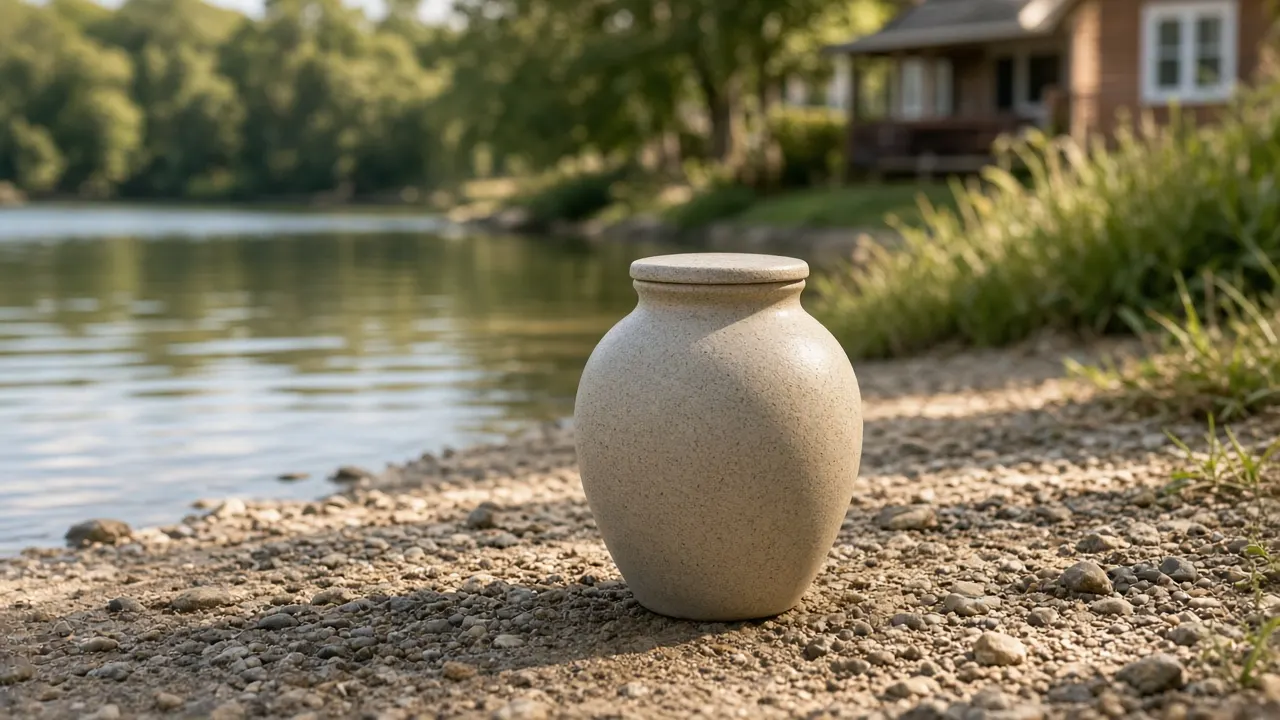
Orlando is a city of lakes, from Lake Eola downtown to the chains of lakes around Winter Park and Windermere, and many families link their pets with lakeside parks, springs and trails. Some scatter part of the ashes at a meaningful spot and keep the rest at home. Check rules for parks and state lands first, and choose a cool early morning.
browse in-depth guides or recent articles, Our services overview lays out every option side by side, use the free tools before you ring anyone, or see how other readers answered in our polls. If you live between Orlando and Jacksonville, Port St. Lucie, Miami and St. Petersburg, either page applies. Every other community in Florida, and all of the United States, is listed too.

Reader polls
What would you choose?
Vote anonymously and see how other readers answered. The results are live counts from people who visit this site, so they show real opinions, not a scientific sample.
If water cremation (aquamation) were offered near you, would you choose it?
Tap an answer to vote and see how others answered. Anonymous.
Would you consider releasing your pet's ashes in water?
Tap an answer to vote and see how others answered. Anonymous.
If you had to decide today, which aftercare would you choose for your pet?
Tap an answer to vote and see how others answered. Anonymous.

Free tools to help you plan
Memorial budget planner
Add up cremation, urn, keepsakes and a farewell so the total holds no surprises.

Memorial tree finder
Pick a tree for a planting urn that suits your climate, space and pet.

Aftercare options compared
Compare private, communal and water cremation with burial on cost, timing and what comes home.
Questions people ask
Roughly how many pets die in Orlando each year?
Our estimate is around 10,000. It comes from Orlando's population (about 333,888), the average household size, the share of homes with a dog or cat (about 125,000 households here) and the average lifespan. It is arithmetic, not a count, so read it as a rough floor.
Can a provider from a neighbouring town collect from Orlando?
Usually yes. Edgewood is about 4 miles away, Conway is about 5 miles away and Pine Castle is about 5 miles away, all inside a normal collection radius. Get the mileage written into the quote so there is no surprise on the day.
Why does the Orlando page quote a human cremation rate?
Because it is the best local signal we have. NFDA 2024 Cremation & Burial Report state projections (via Occasional Sage) (2024) reports about 72.5%[5] of Florida residents are cremated. There is no official pet equivalent, and inventing one would be worse than quoting a real, clearly labelled number.
When is the hardest time of year to arrange a burial in Orlando?
There is no frozen-ground season here; average lows stay above freezing all year. The other pressure point is July, when highs around 92°F mean a body needs cooling and collecting quickly.
Which memorial plants are dangerous to cats and dogs?
Lilies are highly toxic to cats, even the pollen. Sago palm, oleander, yew, azalea and foxglove can poison dogs, and several of them harm cats and horses too. If you have pets at home in Orlando, ask a vet or nursery to confirm a plant is safe before you buy it. Grasses, many herbs and most fruit trees are safer choices, though large amounts of fallen fruit can still upset a dog's stomach.
Will the seed in a tree urn grow?
Not always. Seeds from kits can fail to sprout if they weren't stored or chilled correctly, and alkaline soil around them makes it harder. A young tree from a nursery near Orlando is far more reliable, and most planting urns work just as well with a sapling in the top chamber.


Sources and our estimates
- [1] 53% of US households own a dog, which is about 71 million households. American Pet Products Association (APPA) 2025 State of the Industry, 2025.
- [2] US dogs have an average life expectancy at birth of 12.69 years. Montoya et al. 2023, Frontiers in Veterinary Science - Banfield Pet Hospital life expectancy tables (13.3 million dogs, 2.4 million cats, 2013-2019), 2023.
- [3] 39% of US households own a cat, which is about 53 million households. American Pet Products Association (APPA) 2025 State of the Industry, 2025.
- [4] US cats seen at Banfield hospitals have an average life expectancy at birth of 11.18 years. Montoya et al. 2023, Frontiers in Veterinary Science - Banfield Pet Hospital life expectancy tables (13.3 million dogs, 2.4 million cats, 2013-2019), 2023.
- [5] The NFDA projected Florida's cremation rate at 72.5% for 2024. NFDA 2024 Cremation & Burial Report state projections (via Occasional Sage), 2024.
- [6] Delaware Pet Aquamation charges $150–$450 for private aquamation by weight, from under 10 lb to 150 lb and over, including a standard urn. Delaware Pet Aquamation – Pricing, 2026.
- [7] Communal aquamation at the same Delaware provider costs $50–$225 by weight. Delaware Pet Aquamation – Pricing, 2026.
- [8] Private pet aquamation costs about 2.5 times communal aquamation at the same provider. Our estimate: mean of tier ratios 150/50, 200/75, 250/100, 350/150, 450/225. How we calculate.
- [9] Switching one human-scale cremation to alkaline hydrolysis saves about 112 kg CO2e under TNO's accounting. Our estimate: 79.9 - (-31.8) kg CO2e. How we calculate.
Ask about aquamation near Orlando
Tell us what you need and where you are. We'll reply by email with clear options and prices so you can decide in your own time.