Planting your pet's ashes in Corpus Christi
Corpus Christi has an estimated 115,000 dog- or cat-owning households. When a planting or water memorial feels right for yours, here's what works in the local climate and what to ask before you buy.
- Options for renters and apartments
- Water release rules in plain words
- No obligation, we reply by email
Corpus Christi, Texas
Planning a greener goodbye in Corpus Christi
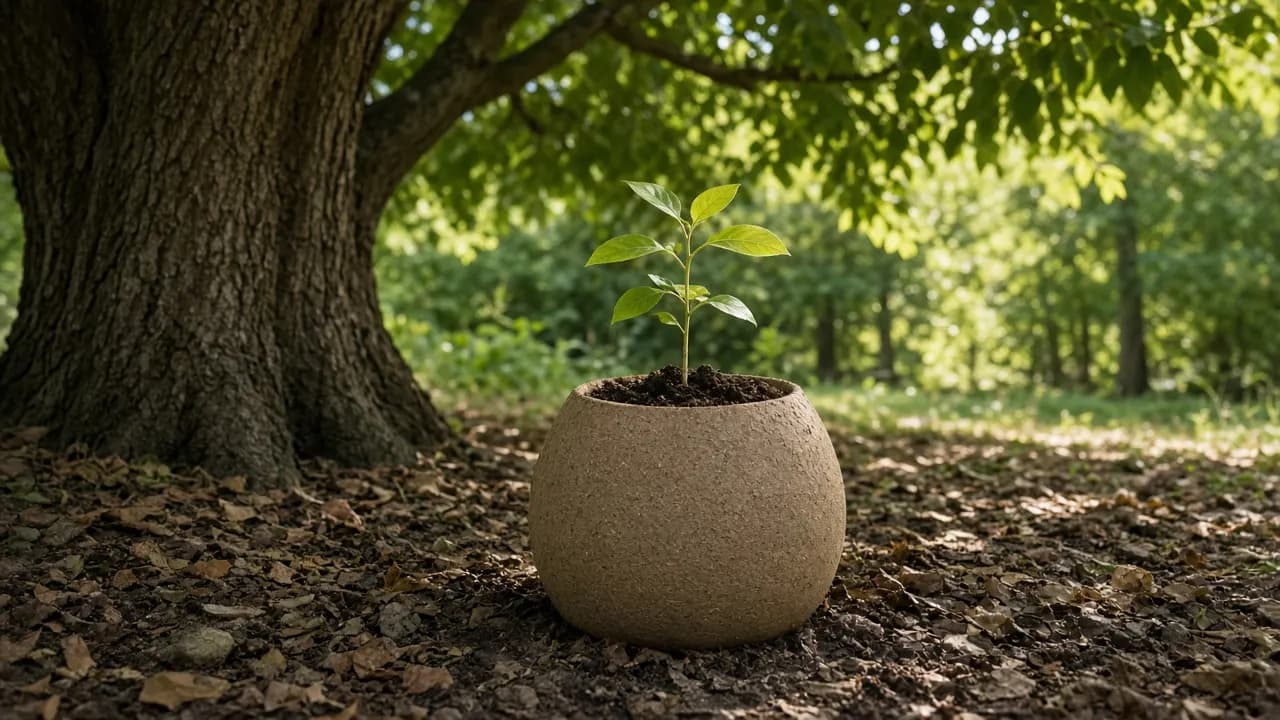
Salt air, strong sun and humidity are hard on outdoor memorials in Corpus Christi. Natural stone, glazed ceramic and marine-grade metal last longest, while painted wood and some resins fade quickly. A memorial tree or native shrub planted with a biodegradable urn can be lovely, as long as it's placed where storm water won't pool. Plant in the cooler months, after hurricane season, and water it well while it takes root.
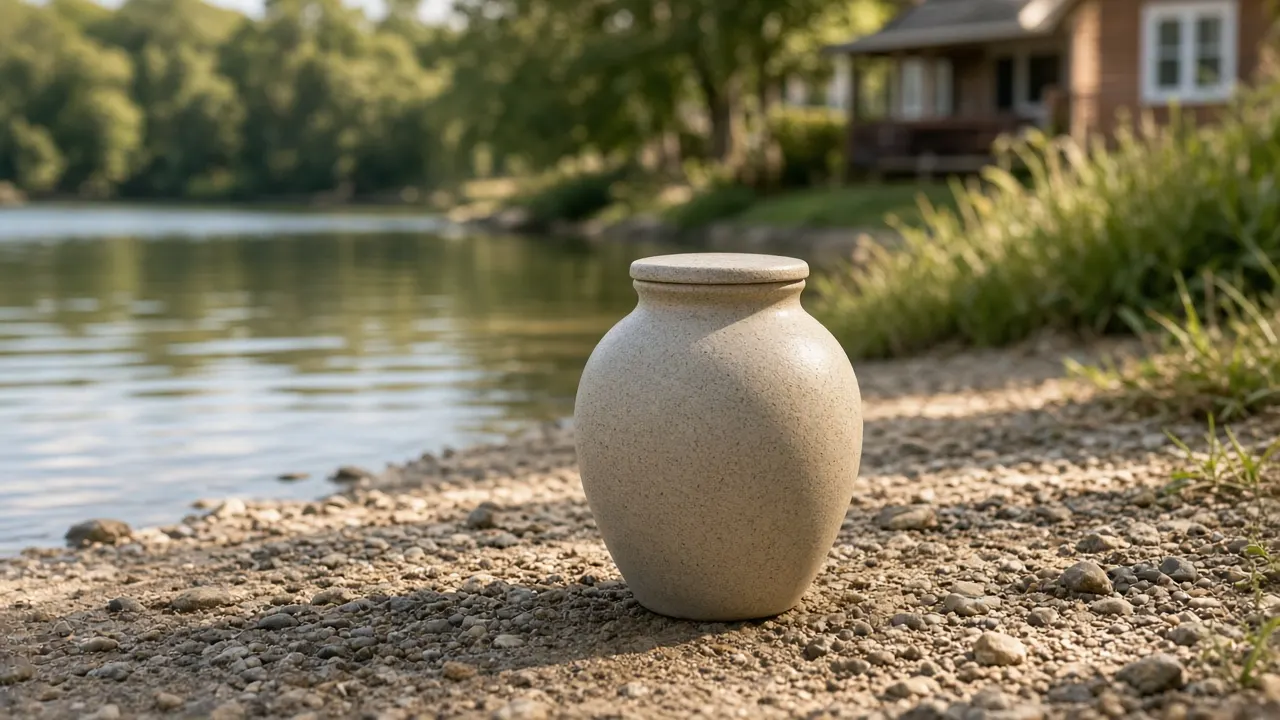
The water is central to life in Corpus Christi, from the bayfront seawall to the beaches of Padre and Mustang islands. Some families scatter part of a pet's ashes by the Gulf or the bay and keep the rest at home. Check rules for parks and the National Seashore before scattering, and choose a calm day when the wind is light.
In a mid-sized place like Corpus Christi, you'll usually find what a living memorial needs within a short drive: a nursery with native stock, a pet crematory or two, and quieter parks and waterways than a big metro. Water cremation may or may not be offered locally, so ask; if not, a provider in a larger centre such as Corpus Christi may serve the area. Bio urns themselves are easy to order, so the choice that matters most is the tree and where it will grow.
Corpus Christi is home to about 317,247 people, the 8th-largest of the 325 Texas communities we cover.
Corpus Christi sits within easy reach of Portland (7 miles), Kingsville (35 miles) and Alice (41 miles). A provider based in any of them will usually collect from Corpus Christi; ask what the mileage adds to the bill.
Our estimate
115,000
Estimated dog- or cat-owning households in Corpus Christi
How we calculated this
317,247 ÷ 2.5 = 126,899 households; × 53% (dog) + 39% (cat) = 115,000. Multi-pet homes count once.
Our estimate
9,750
Corpus Christi families who lose a dog or cat each year (estimate)
How we calculated this
115,000 dog/cat-owning homes ÷ average lifespan (dog: 12.69 yrs + cat: 11.18 yrs) ≈ 9,750 a year. Treat it as a minimum.
53%[1]
53% of US households own a dog, which is about 71 million households.
12.69 years[2]
US dogs have an average life expectancy at birth of 12.69 years.
39%[3]
39% of US households own a cat, which is about 53 million households.
11.18 years[4]
US cats seen at Banfield hospitals have an average life expectancy at birth of 11.18 years.
Where these figures come from: Montoya et al. 2023, Frontiers in Veterinary Science and American Pet Products Association (APPA) 2025 State of the Industry.
How Texas feels about cremation
In Texas, with a human cremation rate of roughly 55.7%[5], you'll often find pet cemeteries and pet crematories operating side by side. Some cemeteries now offer small plots for ashes, occasionally with a tree or shrub above them. That's worth comparing with a garden planting at home: a cemetery plot stays put if you move, while your own garden costs nothing and stays private.
For the Texas figure we rely on NFDA 2024 Cremation & Burial Report state projections (via Occasional Sage) (2024). Read it as a picture of local custom around death and remembrance in Corpus Christi rather than as pet data.
Choosing the right month to plant in Corpus Christi
Summer water can be busy or unsafe in hot places. Around Corpus Christi, shorelines are crowded in August, and some lakes close for algae blooms in the heat. For a lake or river goodbye, pick a cooler month or go at first light, check for any water-quality notices, and choose a spot where you can reach the water easily without slipping.
In a hot climate like Corpus Christi's, with highs of about 95°F in August, salt is a bigger problem than in wetter places. Rain is what washes sodium from ashes down past the roots, and dry heat lets it build up near the surface. Mix the ashes through a much larger volume of soil and compost than you'd think necessary, and water deeply and slowly after planting so salts move down, not up.
What a greener goodbye costs in Corpus Christi
Here's how the pieces add up for a Corpus Christi family. Private cremation of a dog averages about $260[6] nationally. A pet bio urn with a seed capsule is sold for about $99[7], and a planting system without the tree for $119[8]. Compost, pine bark and a pH kit add a few dollars more. Ask local providers for a written total before you choose.
The full price table by product is on our Texas page, and the services page explains what each option includes.

Free tool
Memorial budget planner
Add up cremation, urn, keepsakes and a farewell so the total holds no surprises.
Who to ask before you plant or scatter in Texas
Burying ashes, scattering them loose and releasing them on water are often treated as three different things. In Texas, a place that welcomes a scattering may forbid digging, and a lake that allows a release may not allow a gathering on the shore. When you ask permission, say exactly which one you have in mind.
To find your county or city office in Texas, start with the official Texas local government directory.
The Texas page sets out who oversees pet cremation and what the state says about burial and scattering. Corpus Christi's own bylaws can sit on top of that, so ask before you dig.
Your next steps, whatever your situation
- Take your time. Nothing about a bio urn is urgent. Arrange cremation first and collect the ashes when they're ready; planting can wait weeks or months.
- Ask for individual cremation, by flame or by water, so you know the ashes going into the ground are your pet's alone. A plain box is enough when a display urn isn't part of the plan.
- Check how much ash you have. Many kits are sized for a set volume, and a large dog's ashes may not all fit.
- Choose the place and the tree together. Think about sun, space, underground pipes and whether you'll still live there in ten years.
- Mix, don't layer. Work the ashes evenly into plenty of soil and compost, give it a few weeks to settle where possible, and check the pH.
- Plant in the right season for Corpus Christi, water deeply and mulch a wide ring around the base.
- Mark the spot using a modest stone or a garden tag, and write the planting date down where it won't get lost.
Keeping the memorial alive in Corpus Christi
Many Corpus Christi families keep a pet's ashes at home in an urn, share them in keepsake containers, or choose jewelry holding a pinch of ashes. A framed paw print or an engraved stone for the yard are also popular. If you'd like a paw print or a fur clipping, ask before cremation, since it needs to be taken first.
Compare every option on our services page, look through our guides and the blog, the planning tools turn your pet's details into figures, or see how other readers answered in our polls. Close to Corpus Christi we also cover Austin, San Antonio, Houston and Fort Worth; the full list for Texas and for the United States is a click away.

Reader polls
What would you choose?
Vote anonymously and see how other readers answered. The results are live counts from people who visit this site, so they show real opinions, not a scientific sample.
What kind of tree or plant would you choose?
Tap an answer to vote and see how others answered. Anonymous.
If you rent or might move, how would you handle a memorial planting?
Tap an answer to vote and see how others answered. Anonymous.
If you had to decide today, which aftercare would you choose for your pet?
Tap an answer to vote and see how others answered. Anonymous.

Free tools to help you plan
Memorial budget planner
Add up cremation, urn, keepsakes and a farewell so the total holds no surprises.

Memorial tree finder
Pick a tree for a planting urn that suits your climate, space and pet.

Aftercare options compared
Compare private, communal and water cremation with burial on cost, timing and what comes home.
Questions people ask
Is cremation common in Texas?
For people, yes: about 55.7%[5] of Texas deaths end in cremation, according to NFDA 2024 Cremation & Burial Report state projections (via Occasional Sage) (2024). Nobody publishes the same figure for pets, but in our experience pet choices in Corpus Christi follow the human pattern closely, so cremation is the default most families here start from.
Does the Corpus Christi climate change what I should do first?
Only the timing. In August, with highs near 95°F, cool the body and book collection the same day. Winters here are mild enough that burial or scattering is possible in any month.
Which nearby towns can I compare with Corpus Christi?
The closest communities we cover are Portland (about 7 miles), Kingsville (about 35 miles) and Alice (about 41 miles). Providers based in those places often serve Corpus Christi too. Ask each one for a written total that includes collection, so the distance is priced in.
Is Corpus Christi big enough to have several pet aftercare providers?
Probably, on the numbers. By our estimate about 115,000 Corpus Christi households keep a dog or cat and around 9,750 lose one each year, which is enough steady demand to support more than one provider. We derive that from population (about 317,247), household size and national ownership and lifespan figures.
Can I plant my pet's ashes in a community garden in Corpus Christi?
Only with the garden's permission, and many don't allow it because members grow food and share the soil. Ask the coordinator first. If burying isn't allowed, a potted plant beside your plot, a flowering perennial grown in your pet's name without ashes, or a small marker stone are gentler ways to make the space meaningful.
Is it safe to plant a fruit tree with my pet's ashes?
Cremated remains are mostly bone minerals, and once they're thoroughly blended into plenty of compost and garden soil, many gardeners grow fruit trees over them. The high pH and salt are the real concern for the tree, so dilute generously and test the pH. If eating fruit from the memorial feels wrong to anyone in your family, choose an ornamental tree instead.


Sources and our estimates
- [1] 53% of US households own a dog, which is about 71 million households. American Pet Products Association (APPA) 2025 State of the Industry, 2025.
- [2] US dogs have an average life expectancy at birth of 12.69 years. Montoya et al. 2023, Frontiers in Veterinary Science - Banfield Pet Hospital life expectancy tables (13.3 million dogs, 2.4 million cats, 2013-2019), 2023.
- [3] 39% of US households own a cat, which is about 53 million households. American Pet Products Association (APPA) 2025 State of the Industry, 2025.
- [4] US cats seen at Banfield hospitals have an average life expectancy at birth of 11.18 years. Montoya et al. 2023, Frontiers in Veterinary Science - Banfield Pet Hospital life expectancy tables (13.3 million dogs, 2.4 million cats, 2013-2019), 2023.
- [5] The NFDA projected Texas's cremation rate at 55.7% for 2024. NFDA 2024 Cremation & Burial Report state projections (via Occasional Sage), 2024.
- [6] CareCredit's 2025 cost study put the US national average for private dog cremation at $260 (range $206-$473). CareCredit (Synchrony) - How Much Does It Cost To Euthanize a Dog? (2025 ASQ360 procedural cost study), 2025.
- [7] The Bios Urn for pets, a biodegradable urn with a seed capsule, costs $99. Bios Urn – Pets, 2026.
- [8] The Living Urn's pet bio-urn planting system (without a tree) costs $119. The Living Urn – Pet tree urn, 2026.
- [9] Each shelter-animal flame cremation emits about 31 kg CO2e on average. Our estimate: 19,000 t CO2e / 607,000 animals. How we calculate.
Get bio urn options for Corpus Christi
Tell us what you need and where you are. We'll reply by email with clear options and prices so you can decide in your own time.