Planting your pet's ashes in Maud
By our estimate, around 360 households in Maud share their home with a dog or cat, and roughly 30 of those pets die each year. More of those families now ask about planting or water memorials. Here's how to do it well.
- Planting, garden and water urns compared
- Honest notes on local rules
- Help choosing a native species
Maud, Texas
Where a living memorial fits in Maud
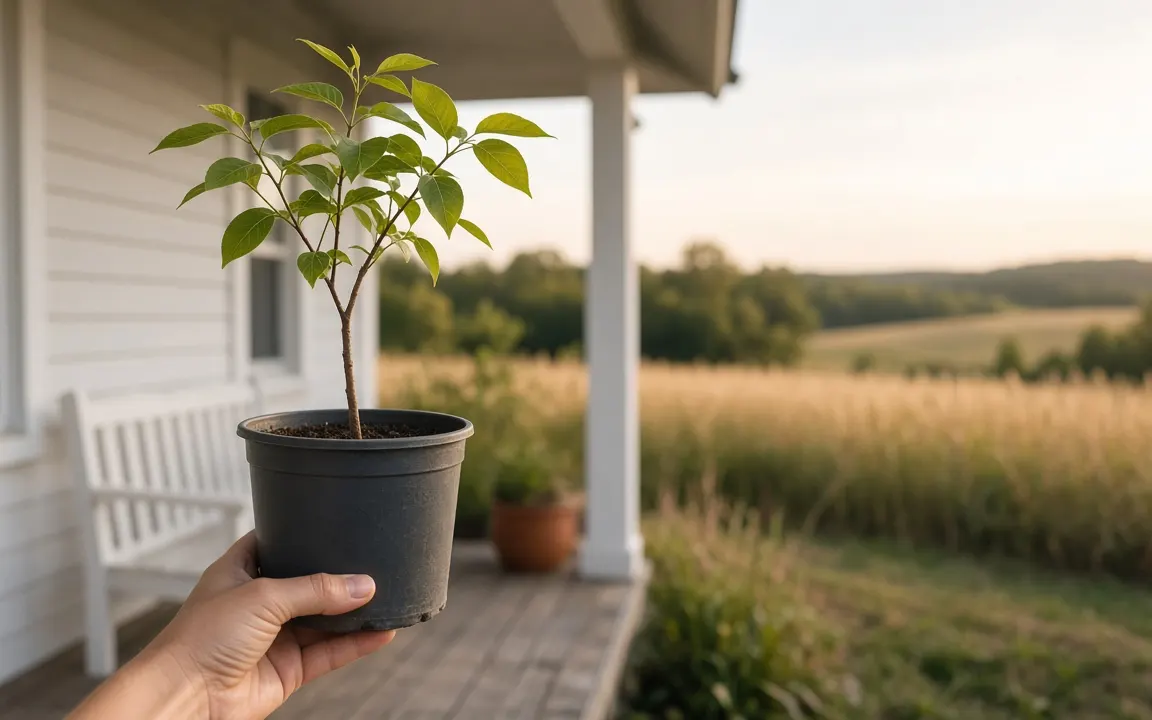
Outdoor markers near Wright Patman Lake have to survive steamy summers, spring hail and the odd winter glaze of ice. Polished granite and cast bronze tolerate all of that; cheap concrete forms flake and lose their lettering. If you would rather plant a tribute, post oak, redbud or a flowering dogwood each suit Bowie County soil and ask for little once rooted.
Maud families often have relatives across Texas, Arkansas, Oklahoma and Louisiana, all within a few hours of the Texarkana area. That spread makes sharing remains a common request here. Crematories can usually split ashes into one primary container and several tiny ones before they are returned; say so early, and ask for each portion to carry the animal's name on its label.
Many people near Maud have a lake, pond or river they walked with their dog every day. A water-soluble urn released there can feel exactly right. Before you do it, check who owns or manages the water: a private pond needs the owner's say-so, a public lake is usually managed by a state or county agency, and some reservoirs supply drinking water and don't allow anything to be released. Choose a quiet time and let nothing float away.
With roughly 986 residents, Maud is the 313th-largest of the 325 Texas communities we cover.
Our pages for Redwater (5 miles), New Boston (10 miles, a larger centre) and Hooks (10 miles, a larger centre) describe the same choices from those towns' point of view, and the providers overlap, so a quote from one often covers Maud as well.
Our estimate
360
Estimated dog- or cat-owning households in Maud
How we calculated this
986 ÷ 2.5 = 394 households; × 53% (dog) + 39% (cat) = 360. Homes are counted once however many pets they keep.
Our estimate
30
dog and cat deaths per year in Maud, our estimate
How we calculated this
360 dog/cat-owning homes ÷ average lifespan (dog: 12.69 yrs + cat: 11.18 yrs) ≈ 30 a year. The real figure is unlikely to be lower.
53%[1]
53% of US households own a dog, which is about 71 million households.
12.69 years[2]
US dogs have an average life expectancy at birth of 12.69 years.
39%[3]
39% of US households own a cat, which is about 53 million households.
11.18 years[4]
US cats seen at Banfield hospitals have an average life expectancy at birth of 11.18 years.
None of the figures on this this page are ours alone: they rest on Montoya et al. 2023, Frontiers in Veterinary Science and American Pet Products Association (APPA) 2025 State of the Industry.
How Texas feels about cremation
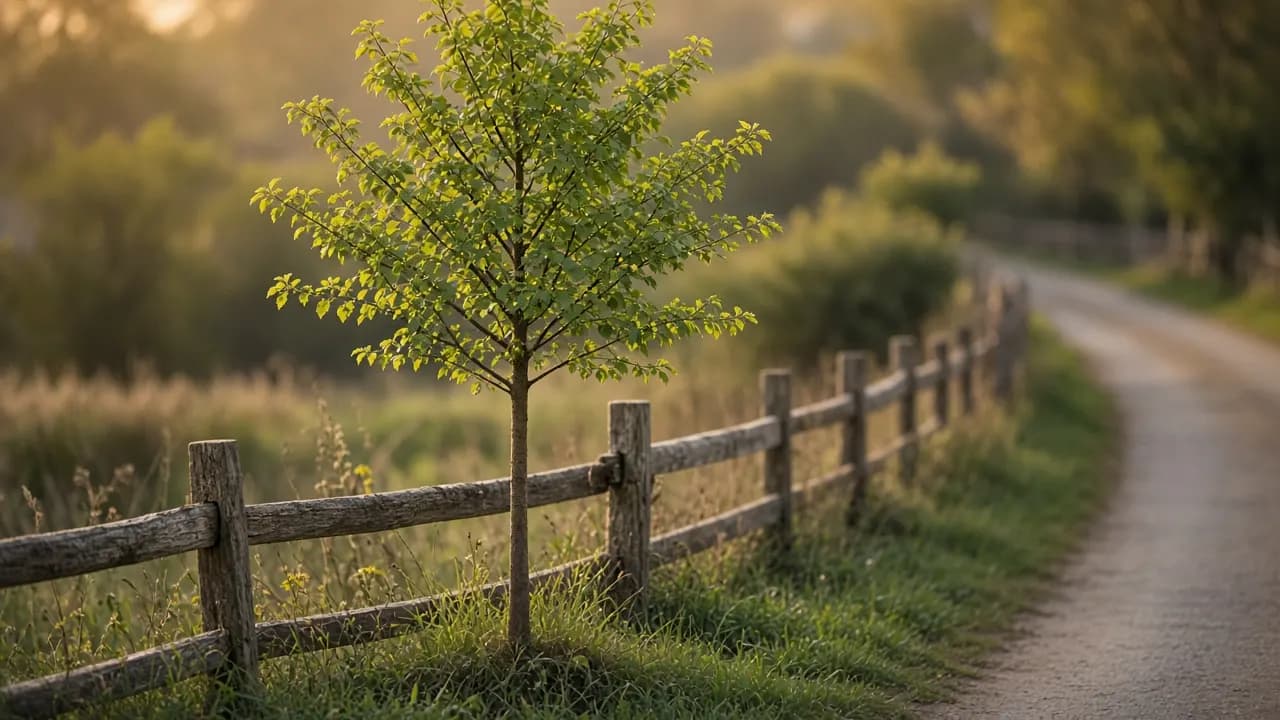
In Texas, roughly 55.7%[5] of people are cremated, a share that has been rising for years. That shift shows in pet aftercare too: more people now ask what to do with ashes, and bio urns are part of the answer. If some relatives prefer burial, a living memorial can be a good middle ground. The ashes go into the ground, just as a burial would, and the tree gives everyone a place to visit.
We take the Texas rate from NFDA 2024 Cremation & Burial Report state projections (via Occasional Sage) (2024). It is a human statistic; there is no equivalent pet figure for Maud, and we would rather show a real number than invent one.
Weather, soil and planting windows in Maud
In Maud's heat, containers dry out fast. If you're planting a memorial in a pot on a patio or balcony, choose a large, light-colored container, which heats up less than a small dark one, and place it where it gets afternoon shade in June, July, August and September. Use only a small share of the ashes in the pot, water until it drains freely so salts flush out, and check the soil every day in the hottest weeks.
Summer water can be busy or unsafe in hot places. Around Maud, shorelines are crowded in August, and some lakes close for algae blooms in the heat. For a lake or river goodbye, pick a cooler month or go at first light, check for any water-quality notices, and choose a spot where you can reach the water easily without slipping.
Price ranges for planting and water urns
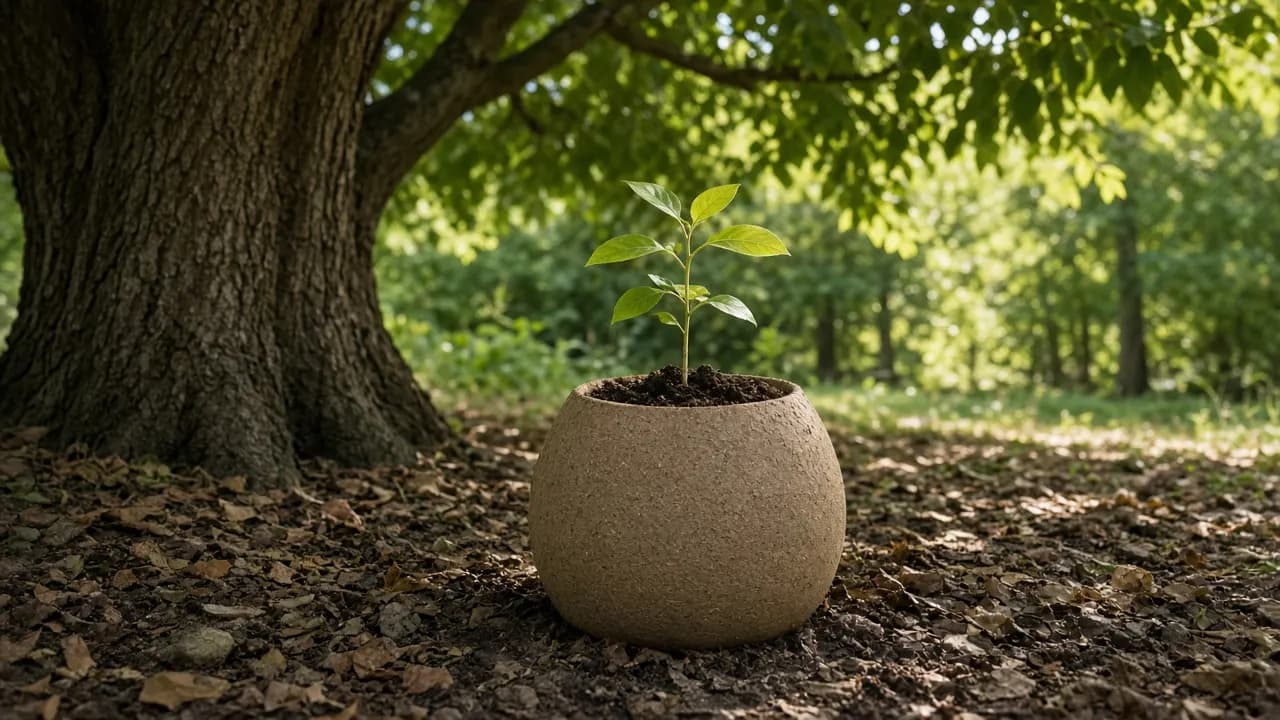
Water cremation prices overlap with flame cremation. One Delaware provider charges $150–$450[6] for private aquamation by weight, including a standard urn, and $50–$225[7] for communal. That makes private about 2.5 times the shared price[8]. Prices in Maud depend on who offers it locally, so ask for a written quote that says whether the ashes come back and in what container.
Prices for Maud track the wider Texas market, so use the Texas price table as your baseline and the services page to see what is included.

Free tool
Memorial budget planner
Add up cremation, urn, keepsakes and a farewell so the total holds no surprises.
Rules worth knowing in Texas before you scatter
Rules change more often than most people realise, and many local policies about ashes were never written down at all. Treat any general guide for Texas, including ours, as a starting point. Whoever looks after that particular field, park or shoreline is the one whose answer counts, so it's worth getting it by email where you can.
The official Texas local government directory lists every county and city office, which is the quickest way to find who to ask in Maud.
Home burial and scattering are governed at the Texas level first; our Texas rules summary has the detail. Then check whether Maud or your HOA adds anything.
From ashes to a growing tree: the steps
- If you're remembering more than one animal, decide early whether the ashes will be planted together or apart. Both are fine, but mixed ashes can't be separated later.
- Label each container clearly with the name and date as it comes back, especially if the ashes return months or years apart.
- Choose a bigger planting area for several sets of ashes: a hedge, a group of shrubs or a small orchard spreads the mineral load across more soil.
- Keep a spoonful of each in its own keepsake, so a family member who was closest to one particular pet has something just for them.
- Plan for the pets still living with you. A new planting that smells of bone attracts diggers, so protect it for the first few months.
- Add a marker for each name, or one stone that lists them all, so visitors know who the planting is for.
Keeping the memorial alive in Maud
Some people in Maud keep things simple: a framed snapshot, the old collar hung on a hook, or an impression of a paw pressed into clay. Others want a stone beside the stock pond or a pendant to wear to work. Nothing has to be settled right away, and plenty of households start with something small and add a larger piece a year or so later.
there are guides for the big decisions and articles for the details, The services page is the place to compare what is included, or see what other families chose in the poll results, try the free planning tools. More local pages: Fort Worth, Austin, El Paso and San Antonio, the Texas overview and every city in the United States.

Reader polls
What would you choose?
Vote anonymously and see how other readers answered. The results are live counts from people who visit this site, so they show real opinions, not a scientific sample.
If you rent or might move, how would you handle a memorial planting?
Tap an answer to vote and see how others answered. Anonymous.
Would you consider releasing your pet's ashes in water?
Tap an answer to vote and see how others answered. Anonymous.
If you had to decide today, which aftercare would you choose for your pet?
Tap an answer to vote and see how others answered. Anonymous.

Free tools to help you plan
Memorial budget planner
Add up cremation, urn, keepsakes and a farewell so the total holds no surprises.

Memorial tree finder
Pick a tree for a planting urn that suits your climate, space and pet.

Aftercare options compared
Compare private, communal and water cremation with burial on cost, timing and what comes home.
Questions people ask
How many pet owners live in Maud?
By our estimate, about 360 households in Maud have at least one dog or cat, and around 30 are lost each year. We calculate this from the city's population of about 986, the average household size and national ownership and lifespan figures, so treat it as a floor rather than an exact count.
Can a provider from a neighbouring town collect from Maud?
Usually yes. Redwater is about 5 miles away, New Boston is about 10 miles away and Hooks is about 10 miles away, all inside a normal collection radius. Get the mileage written into the quote so there is no surprise on the day.
How does Maud's weather affect pet aftercare?
August is the hottest month in Maud, with average highs around 94°F, so prompt collection matters most then. Winters are mild, with average lows staying above freezing, so outdoor burial or scattering is usually possible year round.
Is cremation common in Texas?
For people, yes: about 55.7%[5] of Texas deaths end in cremation, according to NFDA 2024 Cremation & Burial Report state projections (via Occasional Sage) (2024). Nobody publishes the same figure for pets, but in our experience pet choices in Maud follow the human pattern closely, so cremation is the default most families here start from.
When is the best time to plant a memorial tree in Maud?
Avoid the hottest months. In a hot climate, the cooler part of the year gives roots time to grow before the next summer. Keep the ashes safely at home until then, use the time to prepare the soil mix, and plant a sturdy nursery sapling rather than a seed, which is a gamble in serious heat.
Can I bury pet ashes on a farm or rural land near Maud?
On land you own, burying ashes is generally allowed. Keep the planting well away from wells, springs and streams, and away from ground where livestock graze or crops are grown. On someone else's land, including family land, ask the owner first and agree that the memorial can stay if the land changes hands.


Sources and our estimates
- [1] 53% of US households own a dog, which is about 71 million households. American Pet Products Association (APPA) 2025 State of the Industry, 2025.
- [2] US dogs have an average life expectancy at birth of 12.69 years. Montoya et al. 2023, Frontiers in Veterinary Science - Banfield Pet Hospital life expectancy tables (13.3 million dogs, 2.4 million cats, 2013-2019), 2023.
- [3] 39% of US households own a cat, which is about 53 million households. American Pet Products Association (APPA) 2025 State of the Industry, 2025.
- [4] US cats seen at Banfield hospitals have an average life expectancy at birth of 11.18 years. Montoya et al. 2023, Frontiers in Veterinary Science - Banfield Pet Hospital life expectancy tables (13.3 million dogs, 2.4 million cats, 2013-2019), 2023.
- [5] The NFDA projected Texas's cremation rate at 55.7% for 2024. NFDA 2024 Cremation & Burial Report state projections (via Occasional Sage), 2024.
- [6] Delaware Pet Aquamation charges $150–$450 for private aquamation by weight, from under 10 lb to 150 lb and over, including a standard urn. Delaware Pet Aquamation – Pricing, 2026.
- [7] Communal aquamation at the same Delaware provider costs $50–$225 by weight. Delaware Pet Aquamation – Pricing, 2026.
- [8] Private pet aquamation costs about 2.5 times communal aquamation at the same provider. Our estimate: mean of tier ratios 150/50, 200/75, 250/100, 350/150, 450/225. How we calculate.
- [9] U.S. pet flame cremations emit on the order of 47,000 t CO2e a year. Our estimate: 1.5M pet cremations x 31.3 kg CO2e. How we calculate.
Get eco memorial ideas by email
Tell us what you need and where you are. We'll reply by email with clear options and prices so you can decide in your own time.