Tree, garden and water memorials in Salt Lake City
By our estimate, around 80,500 households in Salt Lake City share their home with a dog or cat, and roughly 6,700 of those pets die each year. More of those families now ask about planting or water memorials. Here's how to do it well.
- Options for renters and apartments
- Water release rules in plain words
- No obligation, we reply by email
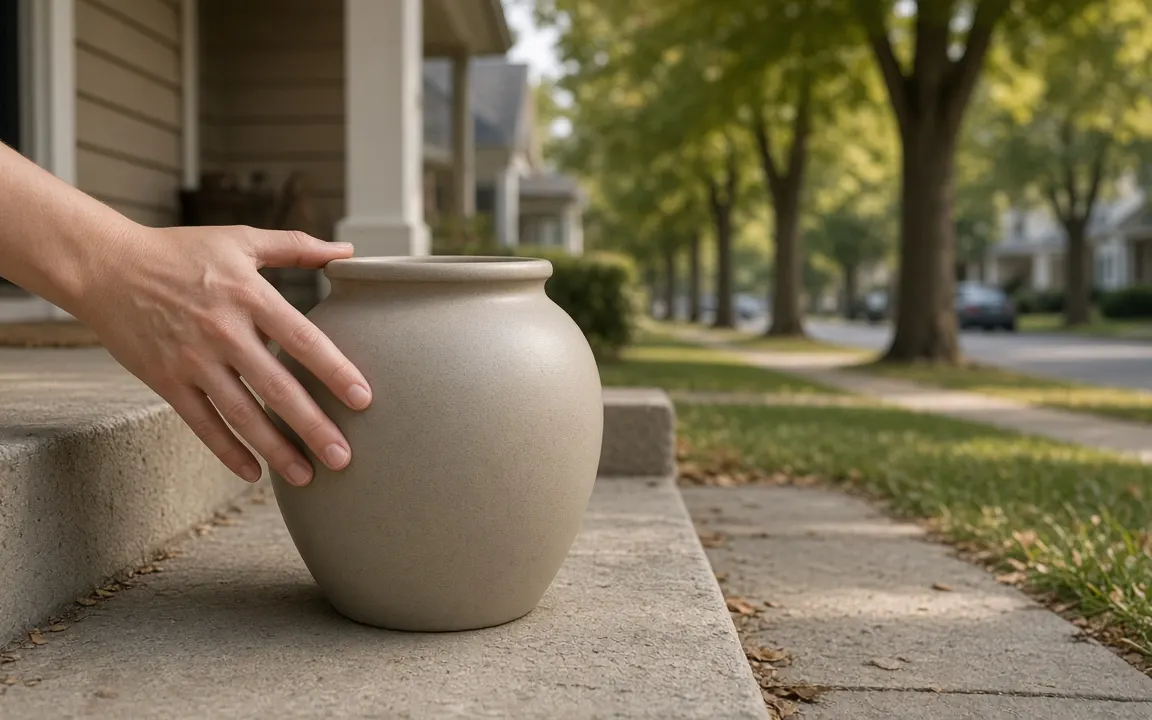
Salt Lake City, Utah
Where a living memorial fits in Salt Lake City
Family history is a big part of life in Utah, and many Salt Lake families like memorials that record names and dates carefully, the way they would for a person. An engraved urn, a stone with your pet's name, or a framed paw print with a photo can become part of that family record. If you want an outdoor stone, choose one that can handle freeze-thaw cycles.
Salt Lake City's canyons, including City Creek, Millcreek and the Cottonwoods, are places many families feel connected to, and some want to remember a pet there. Scattering on national forest or watershed land has its own rules, and parts of the canyons protect the city's drinking water, so check before you go. A biodegradable urn set beneath a young tree in your own yard gives you a memorial that stays close.
Families in Salt Lake City often combine a private cremation arranged through their vet with a planting at home a few weeks or months later. That gap is normal and useful. It gives you time to choose a species, prepare the soil mix and wait for the right planting season. Ask the crematory for the ashes in a simple container rather than paying for a decorative urn you won't keep, and put that money toward a good tree.
About 218,428 people live in Salt Lake City, which makes it the largest of the 52 Utah communities we cover.
If you want to compare providers, look at South Salt Lake (4 miles), Millcreek (6 miles) and North Salt Lake (6 miles). Distance matters because pickup fees and the time until the ashes come back both grow with the drive.
Our estimate
80,500
Estimated dog- or cat-owning households in Salt Lake City
How we calculated this
218,428 ÷ 2.5 = 87,371 households; × 53% (dog) + 39% (cat) = 80,500. Multi-pet homes count once.
Our estimate
6,700
Salt Lake City families who lose a dog or cat each year (estimate)
How we calculated this
80,500 dog/cat-owning homes ÷ average lifespan (dog: 12.69 yrs + cat: 11.18 yrs) ≈ 6,700 a year. A floor, not a ceiling.
53%[1]
53% of US households own a dog, which is about 71 million households.
12.69 years[2]
US dogs have an average life expectancy at birth of 12.69 years.
39%[3]
39% of US households own a cat, which is about 53 million households.
11.18 years[4]
US cats seen at Banfield hospitals have an average life expectancy at birth of 11.18 years.
To check the figures yourself, see American Pet Products Association (APPA) 2025 State of the Industry and Montoya et al. 2023, Frontiers in Veterinary Science.
Cremation, burial and green choices in Utah
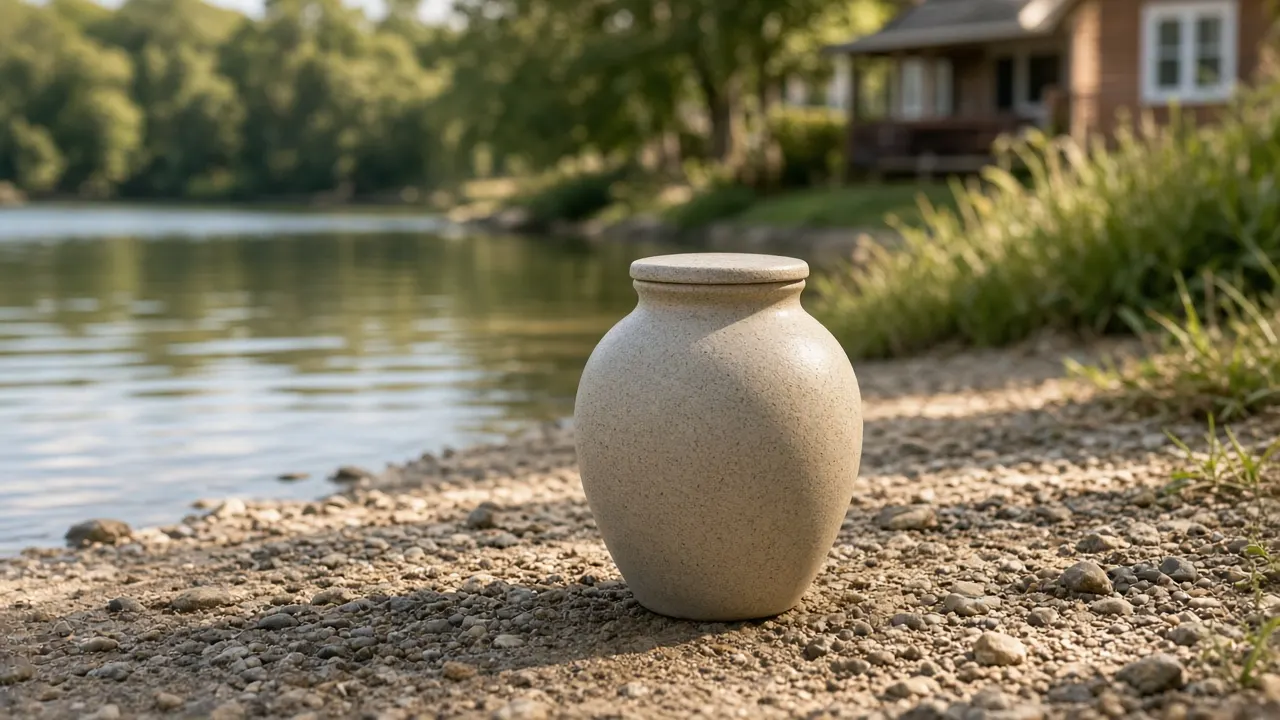
Burial still dominates in Utah, where the human cremation rate is about 46.1%[5], and for many families burying a pet whole feels natural. If you'd like a greener version of that, a shroud or basket made of natural fiber and a tree nearby is one way. If you'd rather cremate, a planting urn gives you a smaller, simpler burial. Either way, check local rules on burying animals before you dig.
The Utah percentage above is from NFDA 2024 Cremation & Burial Report state projections (via Occasional Sage) (2024) and refers to human funerals. Treat it as context for Salt Lake City, not as a count of pets.
Weather, soil and planting windows in Salt Lake City
Soil in Salt Lake City cracks in the summer heat and heaves in the winter freeze, and a young planting feels both. A thick ring of wood-chip mulch evens things out, shading the soil through July and August and insulating it through January, February and December. Top it up each spring, keep it a hand's width away from the trunk, and check the tree has not lifted after the thaw.
Salt Lake City gets both extremes: highs near 94°F in July and freezing lows in January, February and December. That leaves two planting windows, spring after the ground thaws and early autumn once the heat breaks. Either works. Autumn planting gives roots time to settle before summer, as long as the tree has several weeks of open ground before the first hard frost.
What bio urns and aquamation cost in Salt Lake City
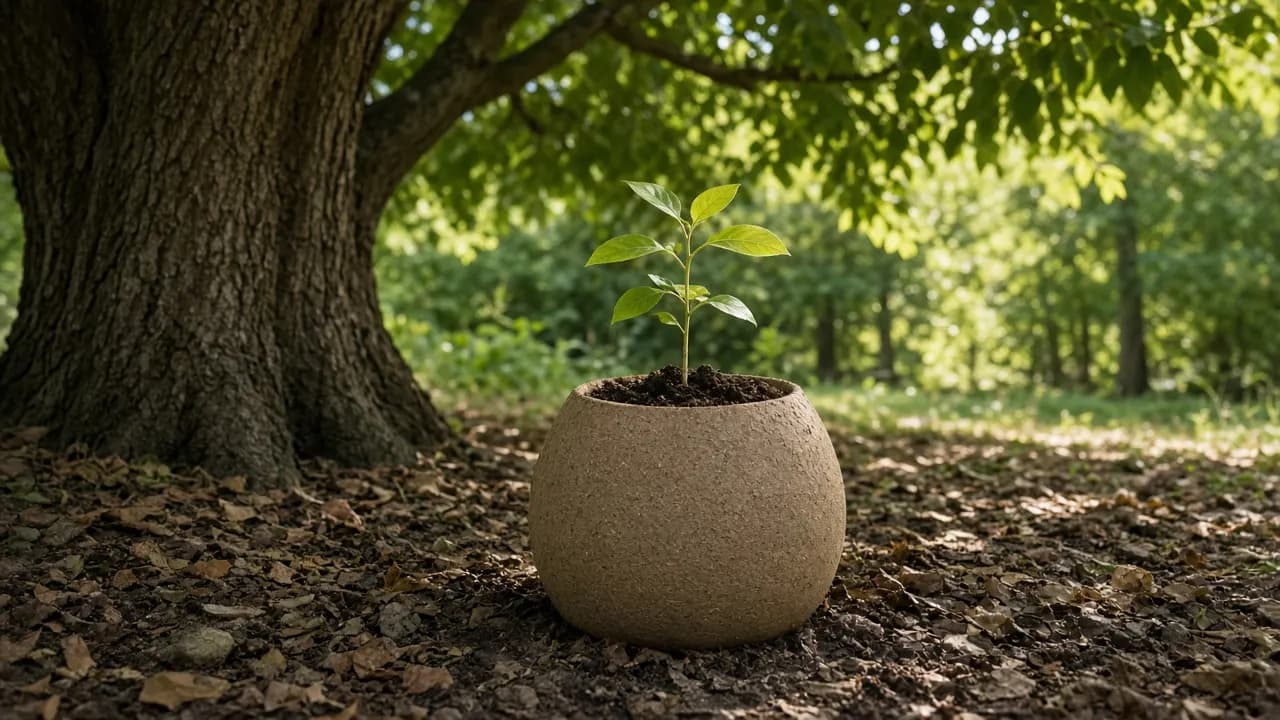
Add up every part before you commit. Beyond the cremation, a living memorial in Salt Lake City can include the bio urn, compost and bark, a pH kit, the tree or shrub, a guard against deer or rabbits, and perhaps a marker. Our memorial budget planner lists each line so nothing surprises you. Most families find the tree is the cheapest part and the cremation the most expensive.
Rather than repeat the price table on every city page, we keep one for Utah: Utah costs. What each service includes is on the services page.

Free tool
Memorial budget planner
Add up cremation, urn, keepsakes and a farewell so the total holds no surprises.
Scattering and planting rules in Utah
Two questions cover most situations in Utah: who owns or manages this land or water, and have they said yes? For your own garden, the answer is you. For a rented home, it's your landlord, in writing. For parks and public water, it's the relevant agency. For a relative's garden, it's them, and it's worth agreeing that the tree stays even if the house is sold.
The official Utah local government directory lists every county and city office, which is the quickest way to find who to ask in Salt Lake City.
Start with the Utah rules, which cover burial, scattering and oversight for the whole state, and treat Salt Lake City's local ordinances as a possible extra layer.
Planting a memorial in Salt Lake City, step by step
- Decide what the memorial is for. A place to visit, something growing, a return to water or a lower-impact goodbye each point to a different choice.
- If a greener cremation matters, ask about aquamation first, since no other choice in the process changes the environmental picture as much.
- Keep a small portion back in a keepsake in case a house move or a second memorial is on the cards down the line.
- Buy the tree locally. A young native tree from a grower around Salt Lake City tends to outgrow anything sprouted from a packet seed.
- Prepare the soil a season ahead if the timing allows, so the ash and compost blend is ready on planting day.
- Plant with the people who loved your pet, and give each of them a job: mixing, filling, watering.
Keeping your pet's memory growing in Salt Lake City
Many Salt Lake City families are large, with siblings and grown children spread across the valley and beyond. Cremation jewelry, tiny keepsake urns and inked paw prints let each person keep something. If you'd like the ashes divided, ask when you place the order so they come back in several containers. A single urn at home with keepsakes for relatives is a common arrangement.
See what each option includes on our services page, there are guides for the big decisions and articles for the details, or see what other families chose in the poll results, use the free tools before you ring anyone. If you live between Salt Lake City and Lehi, St. George, Provo and Orem, either page applies. Every other community in Utah, and all of the United States, is listed too.

Reader polls
What would you choose?
Vote anonymously and see how other readers answered. The results are live counts from people who visit this site, so they show real opinions, not a scientific sample.
If water cremation (aquamation) were offered near you, would you choose it?
Tap an answer to vote and see how others answered. Anonymous.
Would you consider releasing your pet's ashes in water?
Tap an answer to vote and see how others answered. Anonymous.
If you had to decide today, which aftercare would you choose for your pet?
Tap an answer to vote and see how others answered. Anonymous.

Free tools to help you plan
Memorial budget planner
Add up cremation, urn, keepsakes and a farewell so the total holds no surprises.

Memorial tree finder
Pick a tree for a planting urn that suits your climate, space and pet.

Aftercare options compared
Compare private, communal and water cremation with burial on cost, timing and what comes home.
Questions people ask
Can a provider from a neighbouring town collect from Salt Lake City?
Usually yes. South Salt Lake is about 4 miles away, Millcreek is about 6 miles away and North Salt Lake is about 6 miles away, all inside a normal collection radius. Get the mileage written into the quote so there is no surprise on the day.
How do Utah attitudes to cremation compare?
NFDA 2024 Cremation & Burial Report state projections (via Occasional Sage) (2024) puts the Utah human cremation rate at about 46.1%[5]. We show it on the Salt Lake City page because pet aftercare choices tend to track it: where cremation is normal for people, communal and private pet cremation are both easy to find.
When is the hardest time of year to arrange a burial in Salt Lake City?
January, February and December: average lows are below freezing then, and frozen ground makes a home grave slow or impossible until it thaws. The other pressure point is July, when highs around 94°F mean a body needs cooling and collecting quickly.
Is Salt Lake City big enough to have several pet aftercare providers?
Probably, on the numbers. By our estimate about 80,500 Salt Lake City households keep a dog or cat and around 6,700 lose one each year, which is enough steady demand to support more than one provider. We derive that from population (about 218,428), household size and national ownership and lifespan figures.
What if my pet dies when it's too hot or cold to plant?
Wait. Ashes don't need to go into the ground quickly, and a tree planted in the wrong season is more likely to fail. Keep them in the container from the crematory, use the time to choose a species and prepare the soil mix, and plant when the weather in Salt Lake City is kind to young roots.
Do bio urns work with ashes from flame cremation?
Yes. A bio urn works with ashes from flame cremation or water cremation. Both leave mineral-rich, alkaline ash, so the soil advice is the same either way: dilute the ashes well through compost and soil, let the mix rest if you can, and test the pH before a young tree goes in.


Sources and our estimates
- [1] 53% of US households own a dog, which is about 71 million households. American Pet Products Association (APPA) 2025 State of the Industry, 2025.
- [2] US dogs have an average life expectancy at birth of 12.69 years. Montoya et al. 2023, Frontiers in Veterinary Science - Banfield Pet Hospital life expectancy tables (13.3 million dogs, 2.4 million cats, 2013-2019), 2023.
- [3] 39% of US households own a cat, which is about 53 million households. American Pet Products Association (APPA) 2025 State of the Industry, 2025.
- [4] US cats seen at Banfield hospitals have an average life expectancy at birth of 11.18 years. Montoya et al. 2023, Frontiers in Veterinary Science - Banfield Pet Hospital life expectancy tables (13.3 million dogs, 2.4 million cats, 2013-2019), 2023.
- [5] The NFDA projected Utah's cremation rate at 46.1% for 2024. NFDA 2024 Cremation & Burial Report state projections (via Occasional Sage), 2024.
- [6] If just 10% of U.S. pet cremations moved to aquamation, about 4,200 t CO2e a year would be avoided. Our estimate: 1.5M x 10% x 31.3 kg x 90% reduction. How we calculate.
Tell us about your pet and your garden
Tell us what you need and where you are. We'll reply by email with clear options and prices so you can decide in your own time.