Greener pet aftercare in Vancouver, Washington
Vancouver has an estimated 73,500 dog- or cat-owning households. When a planting or water memorial feels right for yours, here's what works in the local climate and what to ask before you buy.
- Options for renters and apartments
- Water release rules in plain words
- No obligation, we reply by email
Vancouver, Washington
Living memorials in Vancouver: the local picture
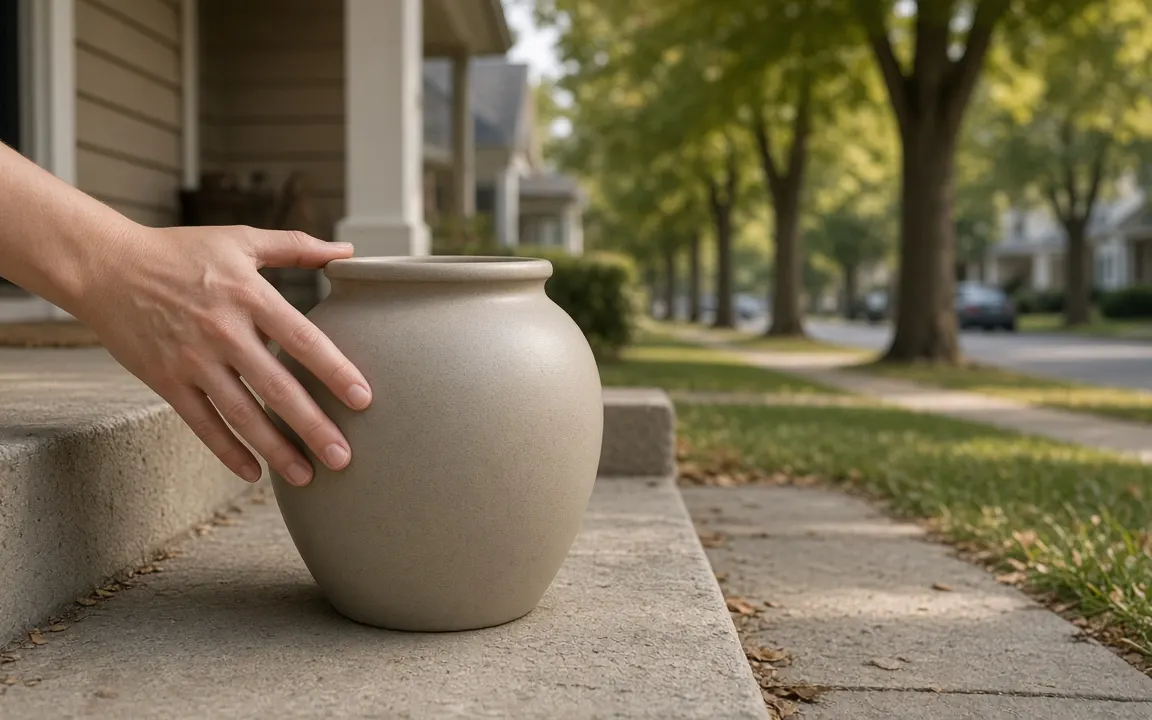
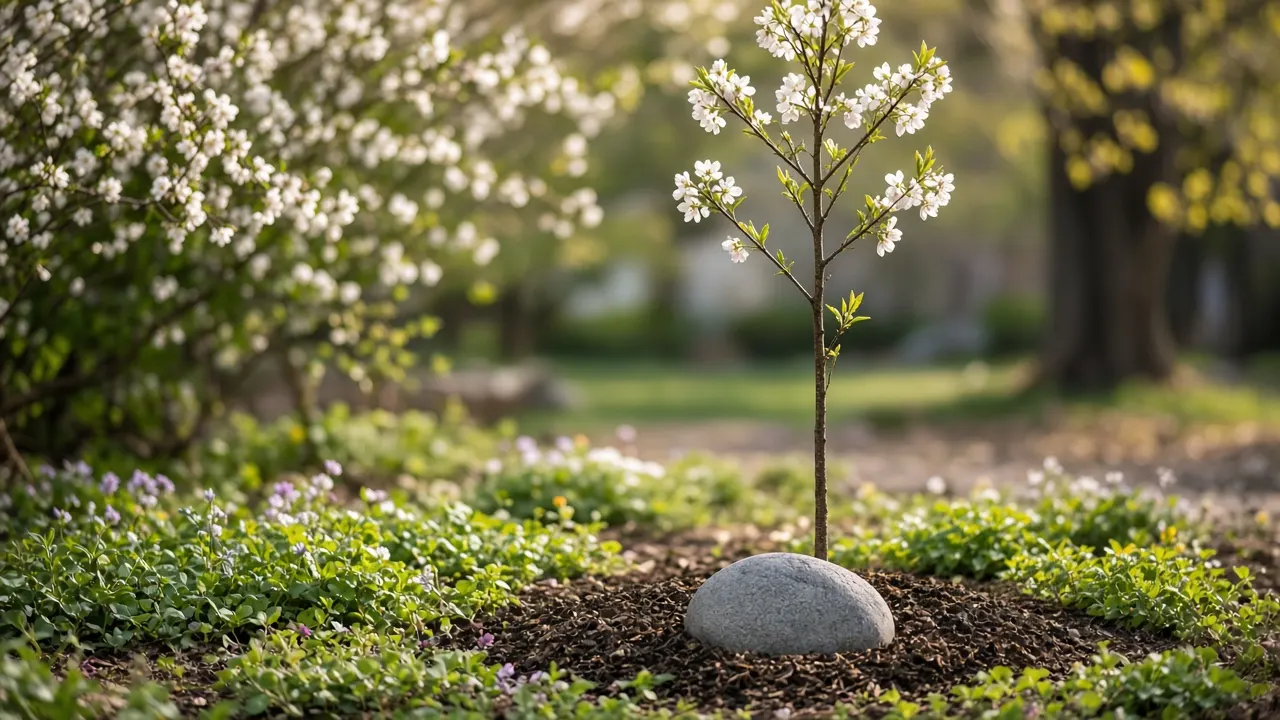
Many Vancouver homes have gardens, and the mild, wet climate is ideal for memorial plantings. A dogwood, maple or native shrub planted over a biodegradable urn will grow well here with little effort. If you'd prefer a stone, choose one that handles moss and constant moisture. Indoors, an urn or framed paw print on a shelf remains the most common choice for families who might move later.
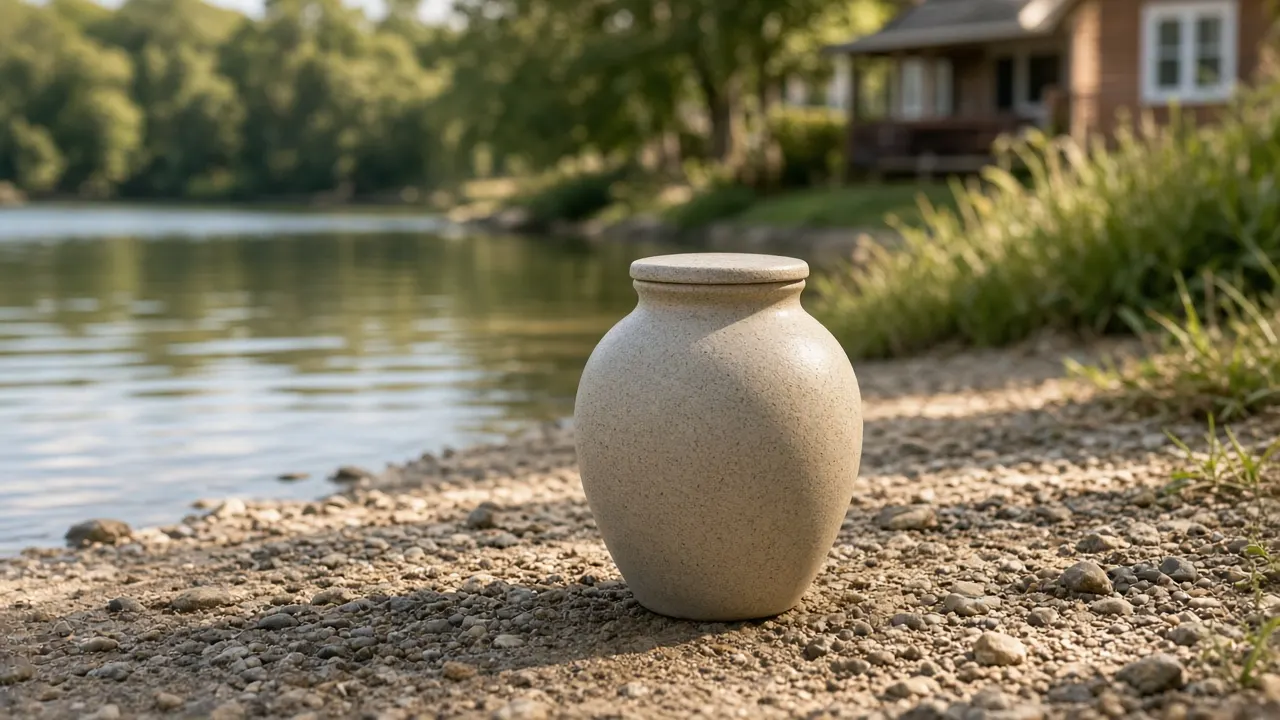
The Columbia River, the Cascade foothills and Mount St. Helens are part of daily views in Vancouver, and many residents want a memorial connected to that landscape. If you're thinking of scattering, check the rules for the specific river access or public land first. A keepsake holding a small amount of ashes, or a stone from a favorite hiking spot beside the urn, can offer a similar sense of connection.
In a mid-sized place like Vancouver, you'll usually find what a living memorial needs within a short drive: a nursery with native stock, a pet crematory or two, and quieter parks and waterways than a big metro. Water cremation may or may not be offered locally, so ask; if not, a provider in a larger centre such as Portland may serve the area. Bio urns themselves are easy to order, so the choice that matters most is the tree and where it will grow.
About 199,698 people live in Vancouver, which makes it the 4th-largest of the 67 Washington communities we cover. Portland, roughly 9 miles off, is the closest larger centre, and a share of the providers who cover Vancouver run from there.
Vancouver sits within easy reach of Camas (8 miles), Portland (9 miles, a larger centre) and Battle Ground (10 miles). A provider based in any of them will usually collect from Vancouver; ask what the mileage adds to the bill.
Our estimate
73,500
Estimated dog- or cat-owning households in Vancouver
How we calculated this
199,698 ÷ 2.5 = 79,879 households; × 53% (dog) + 39% (cat) = 73,500. A household with several pets counts once.
Our estimate
6,100
Estimated dog and cat losses in Vancouver each year
How we calculated this
73,500 dog/cat-owning homes ÷ average lifespan (dog: 12.69 yrs + cat: 11.18 yrs) ≈ 6,100 a year. Treat it as a minimum.
53%[1]
53% of US households own a dog, which is about 71 million households.
12.69 years[2]
US dogs have an average life expectancy at birth of 12.69 years.
39%[3]
39% of US households own a cat, which is about 53 million households.
11.18 years[4]
US cats seen at Banfield hospitals have an average life expectancy at birth of 11.18 years.
The numbers above come from Montoya et al. 2023, Frontiers in Veterinary Science and American Pet Products Association (APPA) 2025 State of the Industry, if you'd like to read the original sources.
Why cremation culture in Washington shapes your options
Cremation is the usual choice for people in Washington: about 79.1%[5] of those who die there are cremated. That figure is about people, not pets, but it tells you something useful. Where cremation is ordinary, families already think about what to do with ashes, and planting or scattering is a familiar next step. You're less likely to have to explain a bio urn to relatives, and more likely to find a crematory nearby that returns ashes promptly.
We take the Washington rate from Direct Cremate (citing CANA) (2024). It is a human statistic; there is no equivalent pet figure for Vancouver, and we would rather show a real number than invent one.
Choosing the right month to plant in Vancouver
In Vancouver, winters are gentle, with January lows around 36°F, and summers are warm rather than scorching. That opens up evergreen choices, such as a native evergreen shrub or a small conifer, which give you a green memorial all year. Whatever you choose, water through the first summer, keep grass away from the base and replace mulch each spring.
Mild weather in Vancouver makes almost any month workable for a planting ceremony or a water release, so choose a date that means something: a birthday, the anniversary of adoption, the first warm weekend of spring. If you're releasing on water, check the forecast for wind; a calm morning lets a water urn float for a moment before it sinks, which is the part many families remember.
Price ranges for planting and water urns
It helps to compare a planted memorial with the alternatives. A pet cemetery burial for a dog averages about $831[6] in the US, which by our estimate is around 3.2 times the national average for private cremation[7]. Private cremation plus a bio urn and a sapling in your own Vancouver garden usually comes in far below a cemetery plot, and there are no yearly maintenance fees.
For a line-by-line price table, see the Washington overview; for what's included in each option, see our services.

Free tool
Memorial budget planner
Add up cremation, urn, keepsakes and a farewell so the total holds no surprises.
Rules worth knowing in Washington before you scatter
Two questions cover most situations in Washington: who owns or manages this land or water, and have they said yes? For your own garden, the answer is you. For a rented home, it's your landlord, in writing. For parks and public water, it's the relevant agency. For a relative's garden, it's them, and it's worth agreeing that the tree stays even if the house is sold.
Washington keeps an official directory of local governments; use it to reach the county or city office that covers Vancouver.
For Washington's rules on burying a pet at home or scattering ashes, see the Washington guide. Local rules in Vancouver can be stricter than the state's, especially in homeowners' associations and rentals.
Planting a memorial in Vancouver, step by step
- If euthanasia is planned, find out from the practice beforehand which crematory handles their aftercare and whether aquamation is available through them.
- Book the aftercare before the appointment, so on the day itself you only have to be with your pet.
- Ask for a paw print or nose print before cremation if you'd like one. It can't be made afterwards.
- Choose the plant in advance if that helps you. Some families find it comforting to know exactly where their pet will rest.
- Skip the display urn. The basic tube or box the crematory supplies does the job for planting, and whatever you don't spend can buy a better tree or shrub.
- Prepare the soil blend while you wait for the ashes, so the planting can follow within a season rather than drifting on for years.
Living memorials beyond the backyard
The Pacific Northwest has a strong interest in eco-friendly choices, and many Vancouver owners look for memorials that fit that outlook: biodegradable urns, tree plantings, recycled or natural materials. If that matters to you, ask about options when you arrange the cremation. Jewelry holding a trace of ashes and small wooden or ceramic urns are also popular with people who prefer something simple and understated.
For a plain comparison of the choices, open services, or compare your instinct with the poll results, the planning tools turn your pet's details into figures, go deeper with the guides or catch up on recent articles. More local pages: Everett, Spokane, Seattle and Bellevue, the Washington overview and every city in the United States.

Reader polls
What would you choose?
Vote anonymously and see how other readers answered. The results are live counts from people who visit this site, so they show real opinions, not a scientific sample.
If water cremation (aquamation) were offered near you, would you choose it?
Tap an answer to vote and see how others answered. Anonymous.
If you rent or might move, how would you handle a memorial planting?
Tap an answer to vote and see how others answered. Anonymous.
If you had to decide today, which aftercare would you choose for your pet?
Tap an answer to vote and see how others answered. Anonymous.

Free tools to help you plan
Memorial budget planner
Add up cremation, urn, keepsakes and a farewell so the total holds no surprises.

Memorial tree finder
Pick a tree for a planting urn that suits your climate, space and pet.

Aftercare options compared
Compare private, communal and water cremation with burial on cost, timing and what comes home.
Questions people ask
Which nearby towns can I compare with Vancouver?
The closest communities we cover are Camas (about 8 miles), Portland (about 9 miles) and Battle Ground (about 10 miles). Providers based in those places often serve Vancouver too. Ask each one for a written total that includes collection, so the distance is priced in.
Is Vancouver big enough to have several pet aftercare providers?
Probably, on the numbers. By our estimate about 73,500 Vancouver households keep a dog or cat and around 6,100 lose one each year, which is enough steady demand to support more than one provider. We derive that from population (about 199,698), household size and national ownership and lifespan figures.
Where are the providers that serve Vancouver actually based?
Some are local, and some run from Portland, about 9 miles away. That is normal for a city this size. What matters is the collection time they quote for Vancouver and whether the drive is priced into the total, so ask both up front.
Why does the Vancouver page quote a human cremation rate?
Because it is the best local signal we have. Direct Cremate (citing CANA) (2024) reports about 79.1%[5] of Washington residents are cremated. There is no official pet equivalent, and inventing one would be worse than quoting a real, clearly labelled number.
How long does a water-soluble urn take to dissolve?
Most are made from salt, sand, paper or gelatin and dissolve within minutes to hours once they sink. Some float briefly first, long enough for a few words: one maker's water urn floats for several minutes before dissolving[9]. Calm water gives the best result, so check the forecast for wind before you go.
Which memorial plants are dangerous to cats and dogs?
Lilies are highly toxic to cats, even the pollen. Sago palm, oleander, yew, azalea and foxglove can poison dogs, and several of them harm cats and horses too. If you have pets at home in Vancouver, ask a vet or nursery to confirm a plant is safe before you buy it. Grasses, many herbs and most fruit trees are safer choices, though large amounts of fallen fruit can still upset a dog's stomach.


Sources and our estimates
- [1] 53% of US households own a dog, which is about 71 million households. American Pet Products Association (APPA) 2025 State of the Industry, 2025.
- [2] US dogs have an average life expectancy at birth of 12.69 years. Montoya et al. 2023, Frontiers in Veterinary Science - Banfield Pet Hospital life expectancy tables (13.3 million dogs, 2.4 million cats, 2013-2019), 2023.
- [3] 39% of US households own a cat, which is about 53 million households. American Pet Products Association (APPA) 2025 State of the Industry, 2025.
- [4] US cats seen at Banfield hospitals have an average life expectancy at birth of 11.18 years. Montoya et al. 2023, Frontiers in Veterinary Science - Banfield Pet Hospital life expectancy tables (13.3 million dogs, 2.4 million cats, 2013-2019), 2023.
- [5] Washington had a 79.1% cremation rate in 2024, among the highest in the US. Direct Cremate (citing CANA), 2024.
- [6] CareCredit's 2025 cost study put the US national average for pet cemetery burial of a dog at $831 (range $659-$1,513). CareCredit (Synchrony) - How Much Does It Cost To Euthanize a Dog? (2025 ASQ360 procedural cost study), 2025.
- [7] US pet cemetery burial for a dog costs about 3.2x a private cremation ($831 vs $260 national averages). Our estimate: 831 / 260 = 3.20. How we calculate.
- [8] Each shelter-animal flame cremation emits about 31 kg CO2e on average. Our estimate: 19,000 t CO2e / 607,000 animals. How we calculate.
- [9] The Living Urn's Eco Water Urn for water burial costs $149 and holds up to 225 cubic inches; it floats for several minutes before dissolving. The Living Urn – Eco Water Urn, 2026.
Get bio urn options for Vancouver
Tell us what you need and where you are. We'll reply by email with clear options and prices so you can decide in your own time.