How can children help plant a memorial for the family pet?
Children usually cope well with a planting when they have a small, real job and an honest explanation of what's going in the ground. It's also a gap many parents feel: 93.4%[1] of parents in one survey wanted better guidance on helping children through pet loss.
By the Bio Urns & Eco Memorials editorial team · Updated September 24, 2026 · 6 min read · Sources
- Honest words for explaining ashes to a child
- Simple jobs for toddlers through teenagers
- Safe ways to handle ashes and tools
The short answer
Should children take part in a pet's planting ceremony?
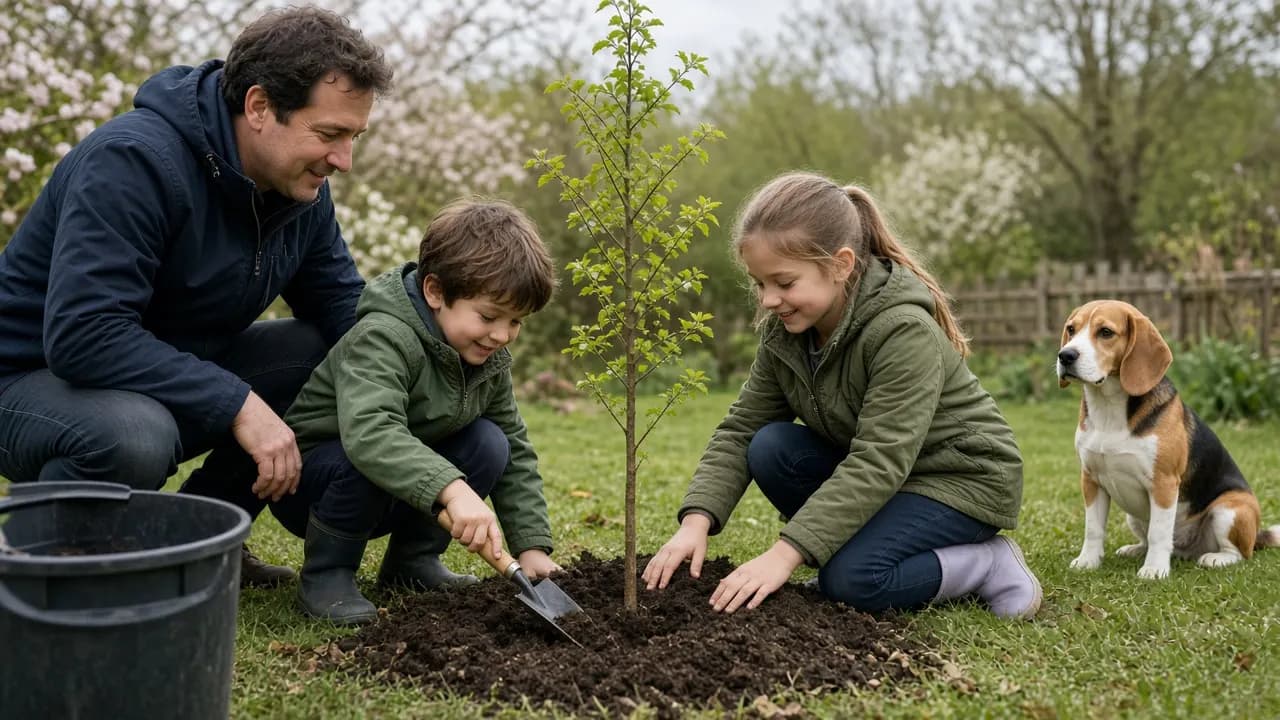
If they want to, yes. Planting gives children something to do with feelings they often can't name, and a tree or shrub gives them a place to return to. The keys are an honest explanation beforehand, a choice about how involved they are, and a job that matches their age.
Children often feel a pet's death as the loss of a sibling or a close friend, and they notice when adults rush past it. In the RSPCA's pet-loss survey, 66.9%[2] of respondents were surprised by how intense their grief was, and adults have more experience of loss than most kids. A planting says, in a way children understand, that this death matters and that the family is marking it together.
Before the day
How do you explain ashes and planting to a child?
Use plain, concrete words and avoid phrases like "put to sleep" or "went away", which can frighten younger children or leave them waiting for a return. You might say: "When an animal dies, their body stops working and can't feel anything anymore. We had Biscuit's body cremated, which turned it into soft, sandy ashes. We're going to mix the ashes into the soil and plant a tree, so there will be something growing where we remember her." The American Academy of Pediatrics' guide to helping a child when a pet dies makes the same case for honest, simple words.
Older children often ask practical questions: does it hurt, how much is left, will the tree be made of the pet? Answer honestly. It doesn't hurt, because the body no longer feels anything. What comes back is a small amount, roughly 3-5% of body weight[3], mostly from bone. And the tree won't be the pet, but its roots will grow through the soil that holds the ashes, which many children find a comforting idea.
If you haven't yet chosen what to plant, involve them. Children are often drawn to something that flowers or fruits, and the memorial tree finder is simple enough to go through together. Our article on trees that suit a pet memorial has ideas by size and season.

Free tool
Memorial tree finder
Pick a tree for a planting urn that suits your climate, space and pet.
Jobs that help
What jobs can children do at a memorial planting?
A real task, however small, helps a child feel part of it rather than a spectator. These are suggestions, not rules. You know your children, and a thoughtful five-year-old may manage more than a distracted twelve-year-old.
| Age | Jobs that usually suit | Keep in mind |
|---|---|---|
| 2 to 4 | Carrying a small watering can; placing a flower or stone on the soil; patting the soil down with their hands | Short attention span; keep them away from the ash mix itself |
| 5 to 8 | Painting a plant label or pebble; choosing a flower to plant alongside; first watering; putting a drawing in the hole | May ask lots of questions mid-ceremony, which is fine |
| 9 to 12 | Helping dig with a hand trowel; reading a short poem or memory; taking photos; mulching | Can handle more detail about ashes and soil |
| 13 and up | Planning the running order; choosing music; helping mix compost; leading a moment of silence | May prefer to grieve privately; offer rather than assign |
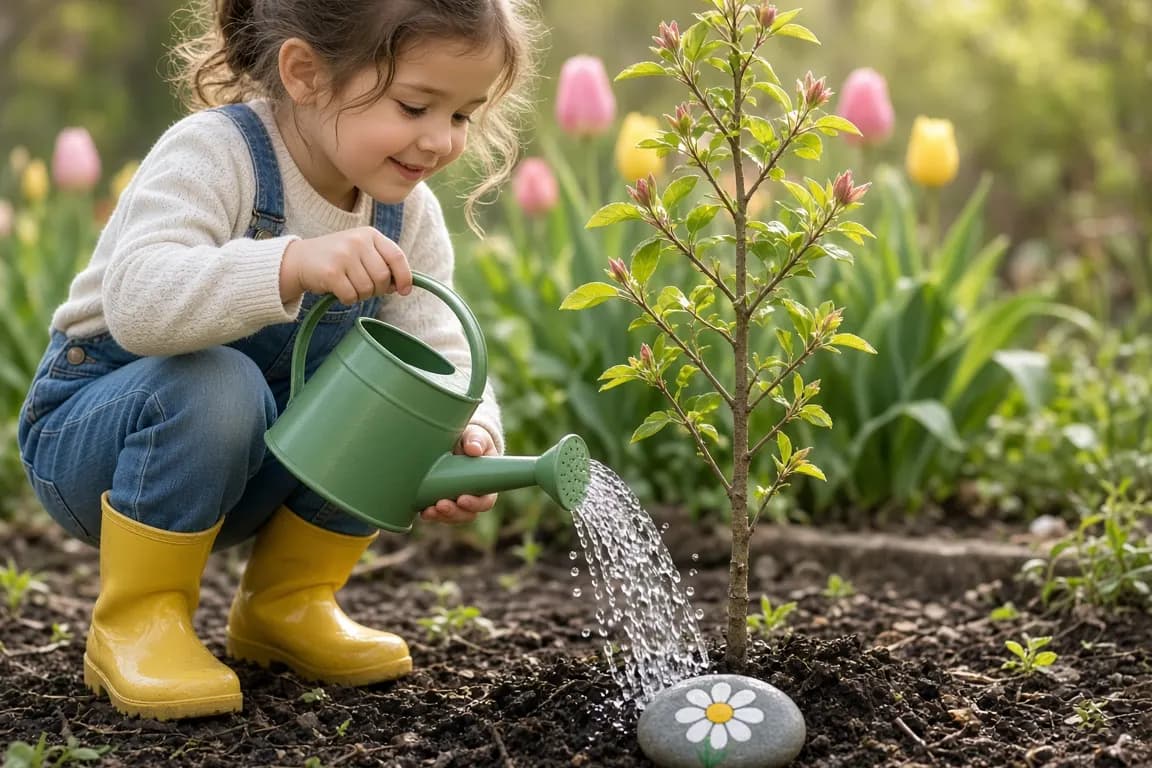
Something to put in the hole is often the most meaningful job for younger children. A drawing on plain paper, a handwritten note or a few petals will break down with the soil. Keep plastic toys, collars and photos in sleeves for a memory box instead.
Who would you want with you at a planting or release?
Tap an answer to vote and see how others answered. Anonymous.
Safety
Is it safe for children to touch pet ashes?
Ashes aren't dangerous in the way children sometimes fear, but they aren't something to play with either. They test at a pH of about 11.7[4], which is strongly alkaline and can irritate skin and eyes, and they contain small, gritty bone fragments. The dust is also unpleasant to breathe.
- Let an adult handle the ashes and mix them into compost ahead of time, ideally weeks before the ceremony.
- Give children gloves if they help with the soil, and a bowl of water and a towel nearby.
- Avoid windy moments for any pouring, and keep small faces back.
- Wash hands afterwards, including under nails, and rinse eyes with plenty of clean water if any dust gets in.
Preparing the mix in advance matters for the tree as well as for safety. Ashes need blending through plenty of compost and a resting period before planting, often 90–120 days[5]. Our soil-mix guide explains how, and our living memorial timeline shows how to fit that rest around the family's calendar.
On the day
How long should a family planting ceremony take?
Keep the ceremony itself to ten or fifteen minutes, especially with young children. Dig the hole and set the prepared soil mix nearby before anyone gathers, so the ceremony is the meaningful part rather than the hard work. A simple shape works for most families:
- Gather around the spot. Say your pet's name and why you're here.
- Share memories. One each is plenty. Funny ones are welcome.
- Plant. An adult places the tree; children add soil, their drawings or flowers, and pat it down.
- Water it in together. Let the youngest have the first pour.
- Close with a moment of quiet, a song or a favorite treat for any other pets present.
The farewell planner turns this into a printable checklist with who's doing what, and you can adjust it for a larger gathering with grandparents or neighbours.

Free tool
Farewell & memorial service planner
Build a simple goodbye: who, where, readings, rituals and a checklist.
When it's hard
What if a child is upset or doesn't want to be there?
Tears at a planting are healthy, not a sign it was a mistake. Some children cry hard and then run off to play five minutes later, which can puzzle adults but is a normal way for them to grieve in bursts. Others go quiet, ask the same question many times or seem not to care at all. All of these are common.
If a child refuses to come, let them. You could take a photo, save a job for later such as the first weekly watering, or ask if they'd like to paint the marker afterwards. Pushing a reluctant child to the graveside tends to make the memorial a place of pressure rather than comfort.
Watch for grief that's being dismissed. In the same RSPCA research, 34.5%[6] of bereaved owners had been told "it's just a pet", and children pick up on that attitude from adults around them. If a child's sleep, eating or schoolwork is still affected after several weeks, a chat with their teacher or doctor is worthwhile. Nemours KidsHealth has a clear parent's guide to when a pet dies that lists signs a child may need more help. Adults can be left without support too: applying the RSPCA's finding to US cremation numbers, our estimate is that roughly 850,000 bereaved US households a year[7] may not find the support they need.
Afterwards
How can the memorial stay part of family life?
A living memorial changes, and children tend to love that. Take a photo of each child next to the tree on the same date every year and watch both grow. Give a child the job of checking the soil in dry weeks, or hanging a bird feeder from a branch once it's strong enough.
If you move house, the tree stays behind, which can upset children who've grown attached to it. Keep a little of the ashes in a keepsake urn, or take a cutting, so there's something to plant at the next home. Our article on bio urns versus display urns covers ways to split ashes between the two. If you'd like help choosing an urn and planting plan, send us a few details. For keepsake and planting urns, see our bio urn options; our location pages add local climate notes, and the poll results show who other families include on the day.

Reader polls
What would you choose?
Vote anonymously and see how other readers answered. The results are live counts from people who visit this site, so they show real opinions, not a scientific sample.
Who would you want with you at a planting or release?
Tap an answer to vote and see how others answered. Anonymous.
What helped you most in the first weeks?
Tap an answer to vote and see how others answered. Anonymous.
Who made (or will make) the aftercare decision in your household?
Tap an answer to vote and see how others answered. Anonymous.

Free tools to help you plan
Farewell & memorial service planner
Build a simple goodbye: who, where, readings, rituals and a checklist.
Memorial tree finder
Pick a tree for a planting urn that suits your climate, space and pet.
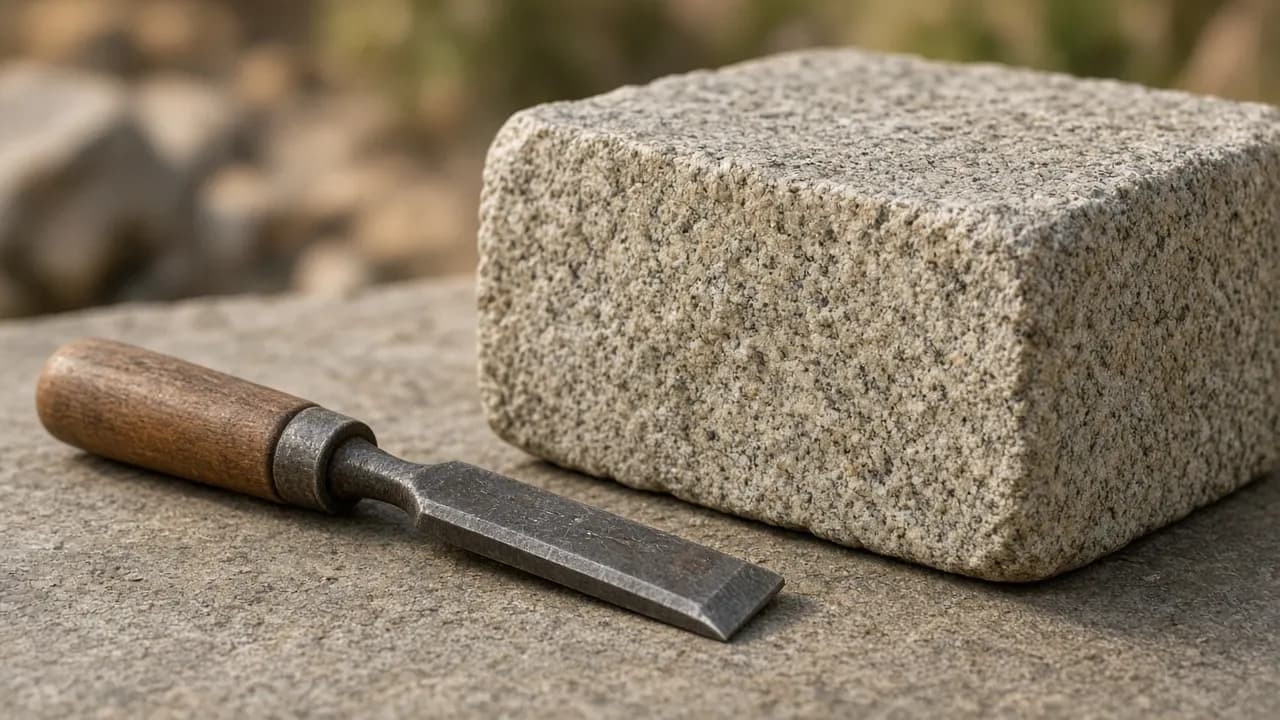
Memorial stone planner
Plan size, material and engraving length so your wording fits the stone.
Questions people ask
What age is old enough to attend a pet's planting ceremony?
There's no minimum age. Toddlers can come along and pat the soil or carry a flower, even if they won't remember much. From about five, most children understand that death is permanent and can take a real part. What matters more than age is preparation: tell them beforehand what will happen and what they'll see.
Should I tell my child the ashes are in the soil?
Yes, in simple words. Children often find out later, and discovering that something was hidden can feel worse than the truth. Explaining that the ashes are mixed into the soil so the tree can grow there gives them a clear, gentle picture and helps the memorial feel meaningful rather than mysterious.
Can my child keep some of the ashes?
Some families give an older child a small sealed keepsake urn or a pendant holding a pinch of ashes. For younger children, a paw print, a clipping of fur or the pet's collar is usually safer and just as comforting. Keep any ashes a child has in a securely closed container.
Should we get a new pet before or after the planting?
There's no rule, but many families find it easier to hold the planting first, so the old pet has their moment before a new one arrives. Children may worry that a new pet means forgetting the old one. The memorial tree can help show that there's room to love both.
What if the memorial tree dies?
Talk about it honestly: plants sometimes don't survive, especially in their first summer, and it's no one's fault. Let your child help choose and plant a replacement. That second planting can become a gentle lesson that caring for something doesn't always go to plan, and that you can try again.
Are there books that help children with pet loss?
Yes, many picture books and middle-grade stories deal with a pet's death, and your local library or school librarian can suggest ones suited to your child's age. Reading one together before the planting can give children words for their feelings and questions to ask.
Keep reading


Sources and our estimates
- [1] 93.4% of parents in the RSPCA survey wanted better guidance on helping children through pet loss. RSPCA — Pet Loss Survey Results, 2026.
- [2] 66.9% of respondents were surprised by how intense their grief was after losing a pet. RSPCA — Pet Loss Survey Results, 2026.
- [3] Embrace notes cremated remains typically weigh about 3-5% of the pet's original body weight. Embrace Pet Insurance - Bury or Cremate Your Dog? Costs, Pros & Cons, 2025.
- [4] Cremated remains have a very high pH of approximately 11.7, which is toxic to plants without amendment. Larkspur Conservation — Giving Cremated Remains a New Life Through Science, 2024.
- [5] Gardening Know How advises letting an ash/soil-amendment mixture sit for at least 90 to 120 days before planting. Gardening Know How — Planting With Cremains: Is There a Safe Way to Bury Ashes, 2024.
- [6] 34.5% of bereaved pet owners were told 'it's just a pet'. RSPCA — Pet Loss Survey Results, 2026.
- [7] Roughly 850,000 bereaved U.S. pet households a year may not find the grief support they need. Our estimate: 1.5M pet cremations x 56.7% couldn't find support. How we calculate.
Plan a family memorial planting
Tell us what you need and where you are. We'll reply by email with clear options and prices so you can decide in your own time.