Growing something from the goodbye in Coral Springs
Roughly 4,250 Coral Springs families say goodbye to a dog or cat each year, by our count. A living memorial is one way to mark it. This guide explains how to make one that actually grows.
- Options for renters and apartments
- Water release rules in plain words
- No obligation, we reply by email
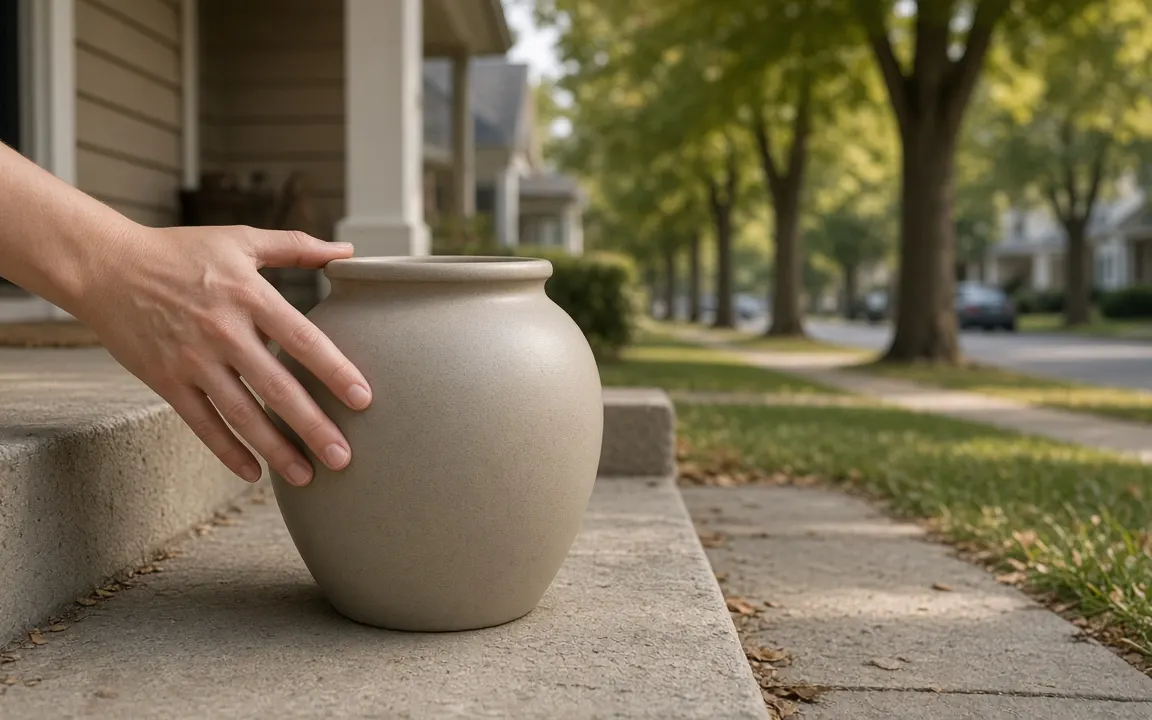
Coral Springs, Florida
Bio urns, trees and water in Coral Springs
The lakes and green spaces of Coral Springs, the Everglades to the west and the Atlantic a short drive east give families several places to reflect. Some choose a water-soluble urn for a scattering at sea; others keep all the ashes at home. Before scattering anywhere, check the rules and ask the owner or managing authority. Keeping a portion back leaves room for jewelry or a keepsake.
Paw prints, nose prints and fur clippings can only be taken before cremation, so ask early. In family households with children in school and relatives in the Northeast or elsewhere, dividing ashes into small keepsakes lets several people hold something. Engraving, jewelry and stones can be ordered in the weeks after, once you have had time to decide what fits.
In a mid-sized place like Coral Springs, you'll usually find what a living memorial needs within a short drive: a nursery with native stock, a pet crematory or two, and quieter parks and waterways than a big metro. Water cremation may or may not be offered locally, so ask; if not, a provider in a larger centre such as Hialeah may serve the area. Bio urns themselves are easy to order, so the choice that matters most is the tree and where it will grow.
With roughly 138,783 residents, Coral Springs is the 16th-largest of the 235 Florida communities we cover. Hialeah, roughly 29 miles off, is the closest larger centre, and a share of the providers who cover Coral Springs run from there.
The closest communities we cover are Parkland (4 miles), Margate (4 miles) and Tamarac (5 miles). Providers serving those towns often travel to Coral Springs too, so it can be worth asking them for a quote.
Our estimate
51,000
Coral Springs: dog- or cat-owning households, our estimate
How we calculated this
138,783 ÷ 2.5 = 55,513 households; × 53% (dog) + 39% (cat) = 51,000. Multi-pet homes count once.
Our estimate
4,250
Coral Springs families who lose a dog or cat each year (estimate)
How we calculated this
51,000 dog/cat-owning homes ÷ average lifespan (dog: 12.69 yrs + cat: 11.18 yrs) ≈ 4,250 a year. Treat it as a minimum.
53%[1]
53% of US households own a dog, which is about 71 million households.
12.69 years[2]
US dogs have an average life expectancy at birth of 12.69 years.
39%[3]
39% of US households own a cat, which is about 53 million households.
11.18 years[4]
US cats seen at Banfield hospitals have an average life expectancy at birth of 11.18 years.
Where these figures come from: American Pet Products Association (APPA) 2025 State of the Industry and Montoya et al. 2023, Frontiers in Veterinary Science.
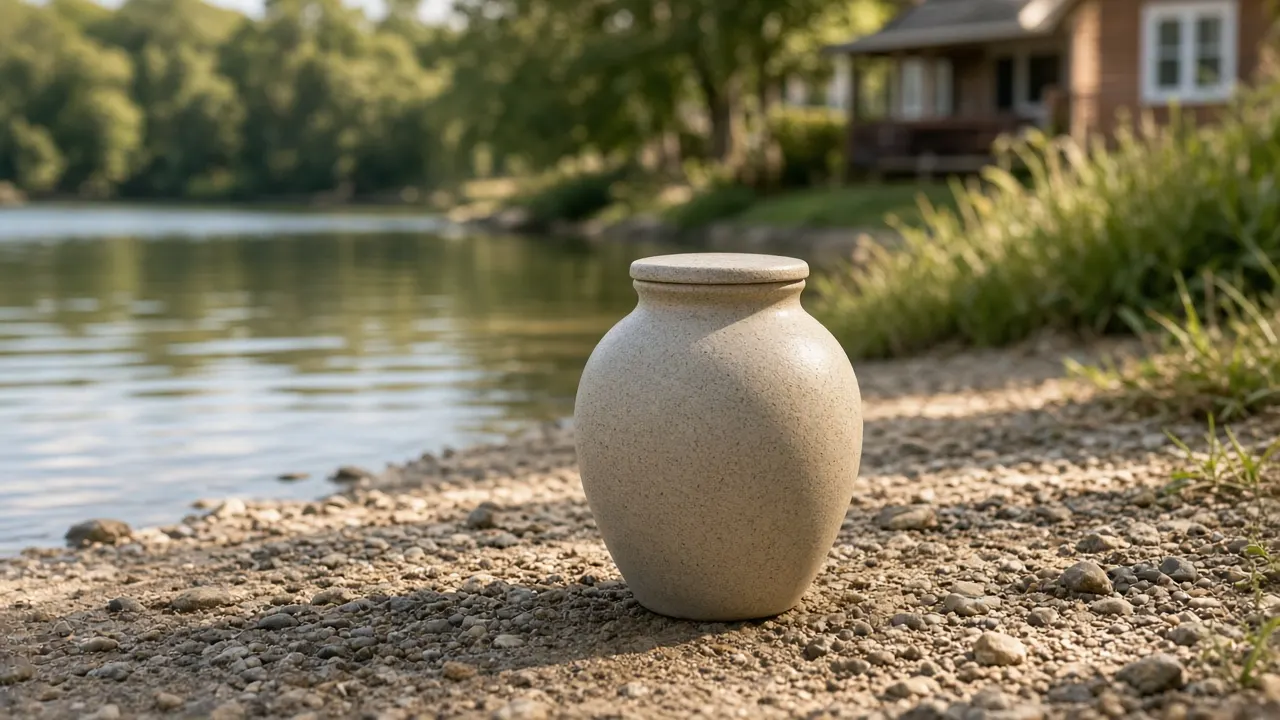
The local attitude to ashes and memorials
With roughly 72.5%[5] of people in Florida cremated, the local funeral culture leans firmly toward ashes rather than graves. That has a practical upside for a living memorial. Nurseries, crematories and even some parks departments are used to questions about ashes, and you'll usually get a straight answer. It's still worth asking before you plant or scatter anywhere you don't own, because common practice isn't the same as permission.
That Florida rate is a human one, published by NFDA 2024 Cremation & Burial Report state projections (via Occasional Sage) (2024). We quote it for Coral Springs only as a pointer to how families here already think about cremation.
When to plant in Coral Springs's climate
In a hot climate like Coral Springs's, with highs of about 91°F in August, salt is a bigger problem than in wetter places. Rain is what washes sodium from ashes down past the roots, and dry heat lets it build up near the surface. Mix the ashes through a much larger volume of soil and compost than you'd think necessary, and water deeply and slowly after planting so salts move down, not up.
Summer water can be busy or unsafe in hot places. Around Coral Springs, shorelines are crowded in August, and some lakes close for algae blooms in the heat. For a lake or river goodbye, pick a cooler month or go at first light, check for any water-quality notices, and choose a spot where you can reach the water easily without slipping.
Eco memorial prices, from urn to tree
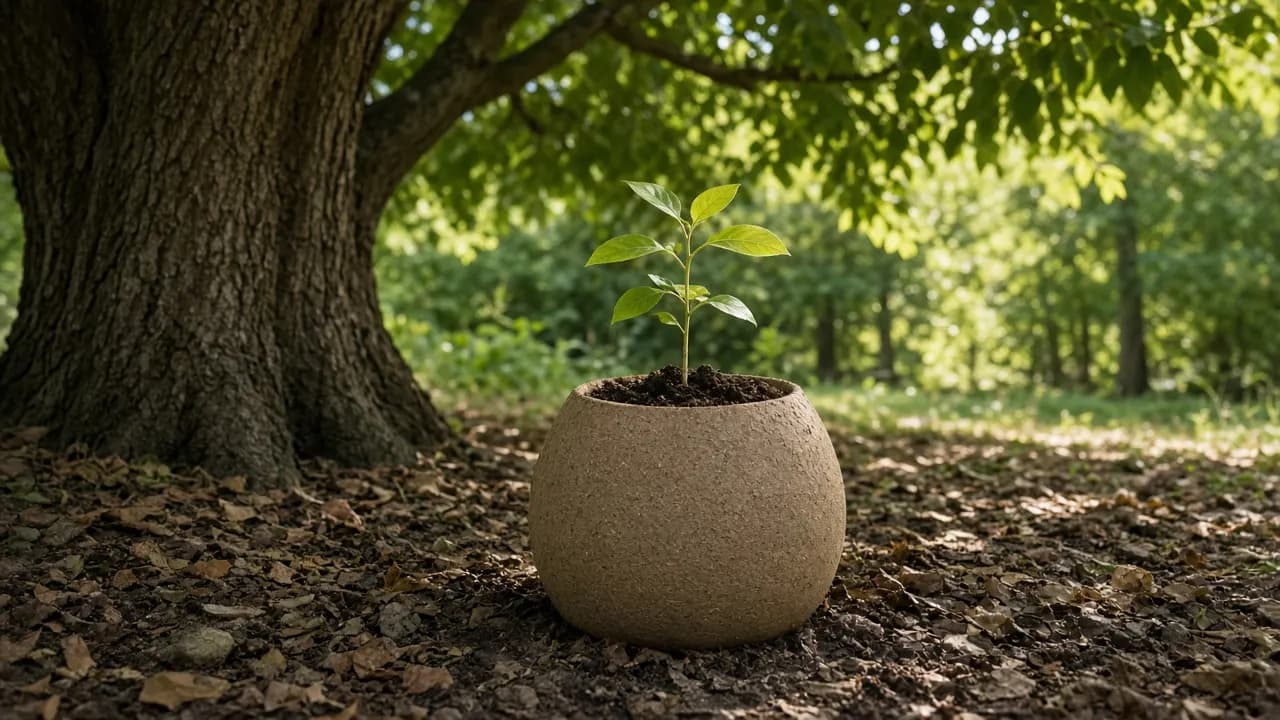
Add up every part before you commit. Beyond the cremation, a living memorial in Coral Springs can include the bio urn, compost and bark, a pH kit, the tree or shrub, a guard against deer or rabbits, and perhaps a marker. Our memorial budget planner lists each line so nothing surprises you. Most families find the tree is the cheapest part and the cremation the most expensive.
Rather than repeat the price table on every city page, we keep one for Florida: Florida costs. What each service includes is on the services page.

Free tool
Memorial budget planner
Add up cremation, urn, keepsakes and a farewell so the total holds no surprises.
Who to ask before you plant or scatter in Florida
Carrying ashes from one place to another is usually simple, but keep the paperwork. The certificate or letter from the crematory shows what's in the container, which helps if you're crossing borders, flying out of Florida or handing the ashes to a cemetery. Keep a copy with the ashes and another somewhere safe at home.
To find your county or city office in Florida, start with the official Florida local government directory.
We keep Florida's burial and scattering rules in one place: the Florida rules summary. Before a home burial in Coral Springs, also ask the city whether local ordinances add anything.
Your next steps, whatever your situation
- Confirm the ashes will come back. With a communal cremation there's normally nothing to collect afterwards, which leaves you with nothing to put in an urn.
- Pick the type of bio urn: one that grows a tree, a simple biodegradable urn to bury in a quiet bed, or a floating urn meant for a lake, river or the coast.
- Ask permission before using ground you don't own, whether that's a landlord, a farmer or whoever runs the park.
- Plan for the weather. In Coral Springs, avoid frozen, baked or waterlogged ground; a calm, mild day is best for planting or a release.
- Release gently on water. Rest the urn on the surface, leave it to drift and go under in its own time, and scatter only a few loose petals.
- Come back in a year. Replace mulch, check the tree's growth and take a photo to mark the anniversary.
Keeping the memorial alive in Coral Springs
Coral Springs homes are often under HOA rules, and a high water table limits burial, so many families choose memorials that live indoors or on a lanai: an urn on a shelf, a planted urn among tropical plants, or a small stone by the pool. If you may move, a portable memorial is easier to take with you. Decide where the memory will live, then choose the object.
or see what other families chose in the poll results, the planning tools turn your pet's details into figures, there are guides for the big decisions and articles for the details, The services page is the place to compare what is included. If you live between Coral Springs and Jacksonville, Port St. Lucie, Orlando and Miami, either page applies. Every other community in Florida, and all of the United States, is listed too.

Reader polls
What would you choose?
Vote anonymously and see how other readers answered. The results are live counts from people who visit this site, so they show real opinions, not a scientific sample.
What kind of tree or plant would you choose?
Tap an answer to vote and see how others answered. Anonymous.
If you rent or might move, how would you handle a memorial planting?
Tap an answer to vote and see how others answered. Anonymous.
If you had to decide today, which aftercare would you choose for your pet?
Tap an answer to vote and see how others answered. Anonymous.

Free tools to help you plan
Memorial budget planner
Add up cremation, urn, keepsakes and a farewell so the total holds no surprises.

Memorial tree finder
Pick a tree for a planting urn that suits your climate, space and pet.

Aftercare options compared
Compare private, communal and water cremation with burial on cost, timing and what comes home.
Questions people ask
How do Florida attitudes to cremation compare?
NFDA 2024 Cremation & Burial Report state projections (via Occasional Sage) (2024) puts the Florida human cremation rate at about 72.5%[5]. We show it on the Coral Springs page because pet aftercare choices tend to track it: where cremation is normal for people, communal and private pet cremation are both easy to find.
Roughly how many pets die in Coral Springs each year?
Our estimate is around 4,250. It comes from Coral Springs's population (about 138,783), the average household size, the share of homes with a dog or cat (about 51,000 households here) and the average lifespan. It is arithmetic, not a count, so read it as a rough floor.
How does Coral Springs's weather affect pet aftercare?
August is the hottest month in Coral Springs, with average highs around 91°F, so prompt collection matters most then. Winters are mild, with average lows staying above freezing, so outdoor burial or scattering is usually possible year round.
Will I have to travel to Hialeah to arrange things?
Not usually. Providers based in Hialeah (roughly 29 miles from Coral Springs) collect from here as a matter of routine, and the paperwork is done by email or phone. If you want to be present for a witnessed cremation, that is when the drive matters.
Is there water cremation for pets near Coral Springs?
It depends on whether a provider nearby has invested in the equipment. Smaller places rarely have their own, but some aquamation providers in larger centres such as Hialeah collect from vets across a wide area. Ask your vet whether they work with one. If not, a flame cremation followed by a bio urn still gives you a living memorial.
What if the soil in Coral Springs is already alkaline?
Then ashes push it further, so be generous with compost and composted bark, choose a lime-tolerant tree or shrub, and test the pH before planting. Chalky and limestone soils are common in many regions. Plants that dislike lime, such as azaleas and blueberries, are a poor choice for an ash planting anywhere.


Sources and our estimates
- [1] 53% of US households own a dog, which is about 71 million households. American Pet Products Association (APPA) 2025 State of the Industry, 2025.
- [2] US dogs have an average life expectancy at birth of 12.69 years. Montoya et al. 2023, Frontiers in Veterinary Science - Banfield Pet Hospital life expectancy tables (13.3 million dogs, 2.4 million cats, 2013-2019), 2023.
- [3] 39% of US households own a cat, which is about 53 million households. American Pet Products Association (APPA) 2025 State of the Industry, 2025.
- [4] US cats seen at Banfield hospitals have an average life expectancy at birth of 11.18 years. Montoya et al. 2023, Frontiers in Veterinary Science - Banfield Pet Hospital life expectancy tables (13.3 million dogs, 2.4 million cats, 2013-2019), 2023.
- [5] The NFDA projected Florida's cremation rate at 72.5% for 2024. NFDA 2024 Cremation & Burial Report state projections (via Occasional Sage), 2024.
- [6] If just 10% of U.S. pet cremations moved to aquamation, about 4,200 t CO2e a year would be avoided. Our estimate: 1.5M x 10% x 31.3 kg x 90% reduction. How we calculate.
Tell us about your pet and your garden
Tell us what you need and where you are. We'll reply by email with clear options and prices so you can decide in your own time.