How does a tree urn work? What happens underground, step by step
A tree urn is a biodegradable container with two jobs: it holds your pet's ashes low in the planting hole, and it gives a seed or young tree a separate pocket of good soil to start in. The shell softens and rots over months, the roots grow down into the ash layer, and the ash itself stays in the ground as minerals. Whether the tree thrives depends far more on soil prep and watering than on the urn.
By the Bio Urns & Eco Memorials editorial team · Updated September 24, 2026 · 6 min read · Sources
- The layers inside a tree urn, explained plainly
- Seed kit or sapling: what each really involves
- Why the ash needs help before roots reach it
The short answer
How does a tree urn work, in plain terms?
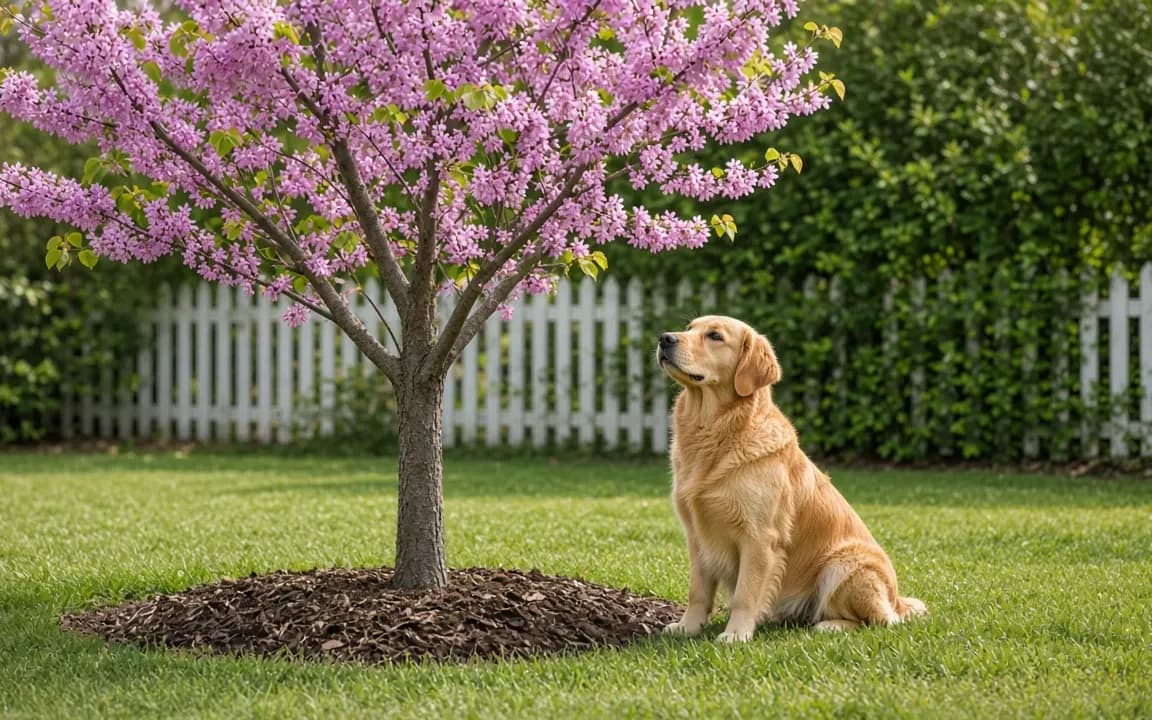
A tree urn separates the ashes from the young plant at the start, then lets them meet slowly. The ashes sit in a lower chamber or at the bottom of the container, and the seed or sapling sits above them in a pocket of growing medium. As the container breaks down in moist soil, the roots extend downward and eventually spread through the area where the ashes are.
That separation matters because cremated remains are hard on young roots. They test at a pH of about 11.7[1], carry a lot of sodium, and contain almost no nitrogen. A well-designed tree urn buys the seedling time to get established in friendlier soil before it has to cope with that chemistry.
The urn itself is only one piece. Site, species, soil mix and the first two summers of watering decide most of the outcome, which is why we pair this explainer with our step-by-step soil-mix guide for ash planting.
Anatomy
What is inside a tree urn kit?
Designs vary between makers, but most pet tree urn kits contain some version of these parts. Reading the kit contents before you buy tells you how much of the work is done for you and how much is left to you.
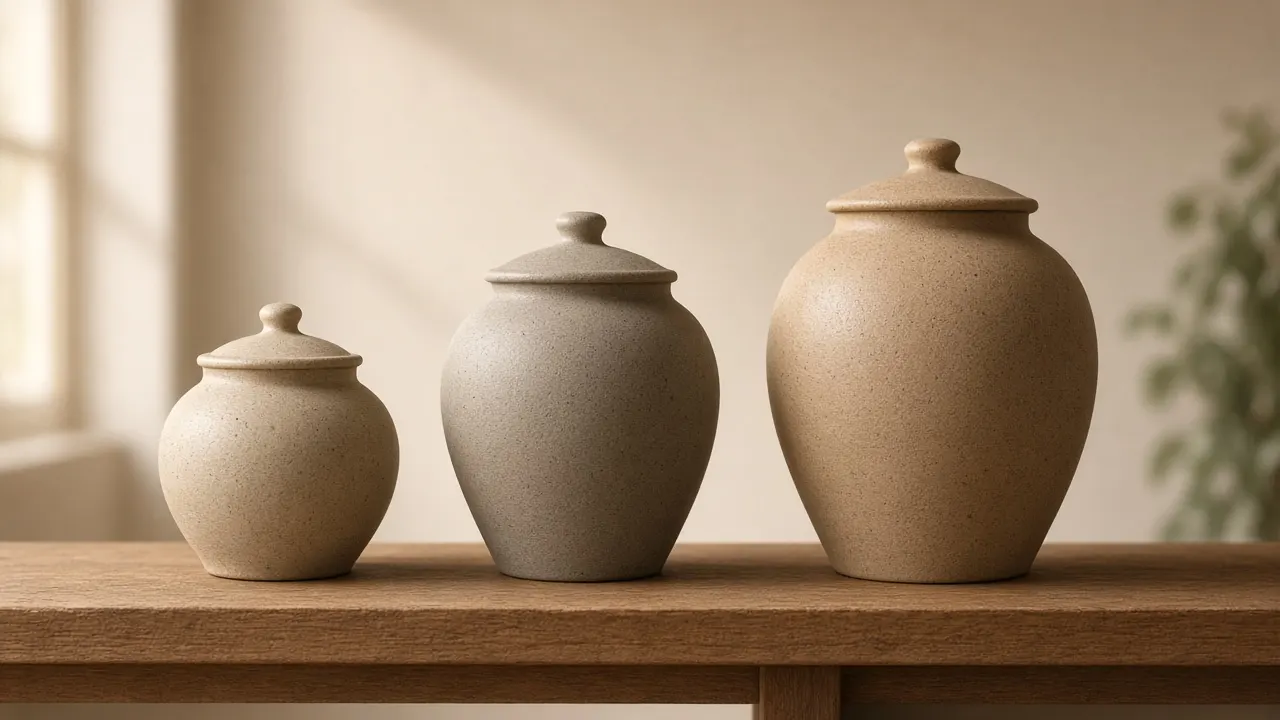
- An outer shell. Usually molded plant fiber, coconut coir, recycled paper or compressed peat-free material. It's designed to hold its shape for a short time and then soften once it's wet and buried.
- An ash chamber or bag. Some urns have a separate lower compartment; others ask you to pour the ashes into the base. The ashes usually arrive from the crematory in a sealed plastic bag, which you empty and discard rather than bury.
- A growing pocket. An upper section filled with a seed-starting mix, coir or compost where a seed germinates or a sapling's root ball sits.
- A seed, a seed capsule or a sapling voucher. Seed kits ship with the seed; sapling kits may ship the young tree separately, timed for planting season.
- Sometimes a soil amendment. A few kits include a pouch of material meant to buffer the ash. Others leave that step to you, so check the list of contents.
Price reflects which of those parts you get. The Bios Urn for pets, which comes with a seed capsule, lists at $99[2], while The Living Urn's pet planting system is $119[3] before you add a tree. One retailer lists simpler biodegradable pet urns, with no plant at all, at about $15–$80[4].
The ash
What actually happens to the ashes underground?
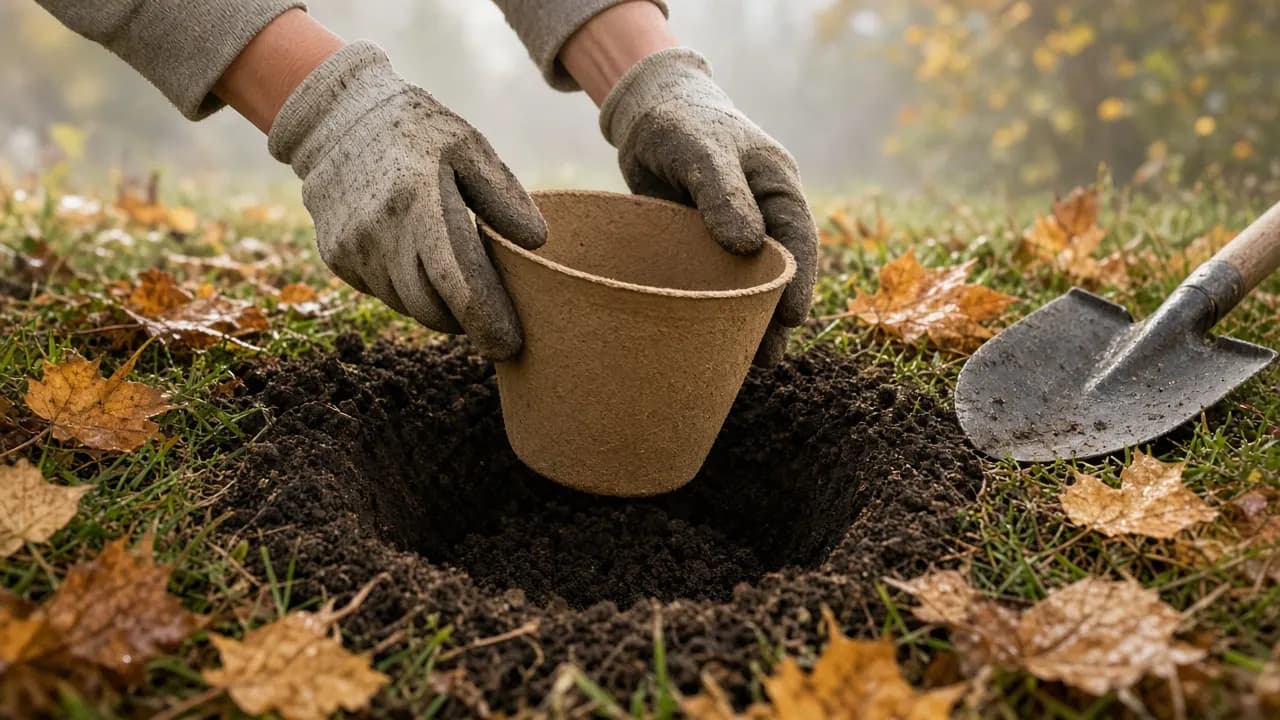
Here is the part many product pages gloss over: the ashes don't turn into the tree. Cremated remains are mostly calcium phosphate from bone, plus salts. They're mineral, not organic, so microbes can't digest them the way they digest leaves or compost. Over years, rain and roots slowly dissolve small amounts of calcium and phosphorus, and the rest stays in the soil much as sand or gravel would.
Volume is bigger than many people expect. Remains usually weigh about 3-5% of body weight[5], so by our estimate a typical 12 lb cat returns roughly 6.7 oz[6], and a giant-breed dog about 3.8 lb[7]. A pound or more of concentrated alkaline mineral in one spot is a lot for a sapling's first roots to meet head on.
Many gardeners let an ash and amendment mix rest before planting; one widely read gardening source suggests 90–120 days[8]. That wait isn't practical for everyone, especially if a sapling has already arrived, so our planting troubleshooting article covers what to watch for when you plant sooner.
Seed or sapling
Should you start from a seed or a young tree?
Seed kits appeal because the whole memorial begins at once. The trade-off is patience and uncertainty. Many tree seeds need a cold period before they sprout, some simply fail, and a seedling is tiny and easy to lose to slugs, mowers or a dry week. If germination fails, you can usually re-sow into the same spot, but it's worth knowing that up front.
Sapling kits skip the riskiest stage. You plant a young tree that already has roots and leaves, so it's more visible, more robust and quicker to look like a memorial. Some sellers let you pick from a long list; one US maker offers 30+ species[9]. Saplings often ship only in spring or fall, so ask when yours will arrive and plan to store the ashes safely until then.
| Question | Seed kit | Sapling kit |
|---|---|---|
| When you see growth | Weeks to months, sometimes after a winter | Right away |
| Chance of losing it early | Higher; seedlings are fragile | Lower once watered in |
| Species choice | Limited to the seeds offered | Often wider, including natives |
| Timing | Can sow indoors any time, move out later | Tied to spring or fall shipping |
| Suits | Patient growers, pots, small spaces | Families who want a visible tree soon |
If you're still weighing which tree fits your yard, our article on trees that suit a pet memorial compares mature size and root spread, and the memorial tree finder narrows the list by climate.

Free tool
Memorial tree finder
Pick a tree for a planting urn that suits your climate, space and pet.
The container
How long does the urn itself take to break down?
Plant-fiber and paper shells usually start softening within weeks of being buried in damp soil and are largely gone within a season or two. Warm, moist, biologically active soil speeds this up; cold clay or a dry summer slows it down. A shell that stays intact too long can act like a pot, keeping the roots circling inside instead of reaching outward.
To help it along, many planters score or tear the base of the shell before burying it, set the top of the urn just below the soil surface, and water deeply so the fiber gets thoroughly wet. Our explainer on what biodegradable urns are made of goes material by material if you want to compare shells. University of Maryland Extension's planting guide adds the step many kits leave out: finding the root flare so the tree isn't set too deep.
What kind of tree or plant would you choose?
Tap an answer to vote and see how others answered. Anonymous.
Will it grow?
What decides whether a memorial tree survives?
No maker can promise a tree will live, because the biggest factors happen after it leaves the box. In rough order of importance, these are the things that tip the odds.
- Species matched to your climate and soil. A tree that's native or proven in your area forgives a lot. A marginal species struggles even without ash. Your USDA hardiness zone is the place to start.
- Enough space. Check the mature spread and keep clear of foundations, septic lines and overhead wires.
- Ash diluted through a large volume of soil and compost, not packed in a single layer under the roots.
- A pH check. A cheap garden test kit tells you whether the planting mix is still strongly alkaline before the tree goes in.
- Watering through the first two summers. Most young trees that die in their first years die of drought, not disease.
- Protection. A simple guard keeps rabbits, deer and string trimmers off a thin trunk.
If you rent, expect to move, or only have a patio, a large container can hold a tree urn for a few years and move with you. The urn size calculator helps you check whether a kit is big enough for your pet's remains, and our bio urn buying checklist covers delivery timing and site questions before you order.
The shell is the easy part. The soil around it is where a memorial tree is won or lost.
Interest in this kind of memorial is widespread: 61.4%[10] of US consumers say they're interested in green funeral options. If you'd like help choosing a kit or a tree that suits your pet's size and your region, send us your details and we'll reply by email with options and current prices. You can also see every urn type we cover on our services page. Our location pages cover regional notes, and the poll results show which tree types readers lean toward.

Reader polls
What would you choose?
Vote anonymously and see how other readers answered. The results are live counts from people who visit this site, so they show real opinions, not a scientific sample.
What kind of tree or plant would you choose?
Tap an answer to vote and see how others answered. Anonymous.
Where are (or will be) your pet's ashes?
Tap an answer to vote and see how others answered. Anonymous.
If you had to decide today, which aftercare would you choose for your pet?
Tap an answer to vote and see how others answered. Anonymous.

Questions people ask
Do the ashes feed the tree?
Not in any meaningful way. Cremated remains are mostly calcium phosphate and salts, with almost no nitrogen or organic matter. Over years, small amounts of calcium and phosphorus become available, but a tree's real food comes from compost, leaf litter and soil life. Treat the ash as something to dilute, not as fertilizer.
Can I put the plastic bag of ashes straight into the tree urn?
No. Crematories usually return ashes in a sealed plastic bag inside a temporary box or urn. Open the bag and pour the ashes into the urn's chamber or mix them with the amendment, then recycle or discard the bag. Buried plastic stops the ash from ever reaching the soil and the roots.
What if the seed in my tree urn never sprouts?
It happens, especially with species that need a winter chill before germinating. Leave the spot undisturbed through one full cold season, since some seeds wait. If nothing appears by the following late spring, you can plant a nursery sapling directly above the urn. The ashes stay where they are, so the memorial is still in the same place.
Can a tree urn go in a pot instead of the ground?
Yes, if the pot is large. Choose a container at least several times the volume of the urn, with drainage holes, and use a quality potting mix blended with compost. Potted trees dry out quickly, so they need more frequent watering. When you have a permanent home, the whole root ball, ashes included, can be moved into the ground.
How deep does a tree urn get buried?
Follow the maker's instructions, because depth depends on the design. Most kits sit with the top of the urn just at or slightly below the soil surface, so the seed or sapling's root collar ends up at normal planting depth. Burying the trunk too deeply is a common cause of slow decline.
Is a tree urn suitable for a large dog's ashes?
Often, but check capacity first. Remains from a large or giant dog can take up more than 100 cubic inches, which may exceed a small kit. You can split the ashes, planting part in the urn and scattering or keeping the rest, or mix the full amount through a larger planting area so the concentration around the roots stays low.


Sources and our estimates
- [1] Cremated remains have a very high pH of approximately 11.7, which is toxic to plants without amendment. Larkspur Conservation — Giving Cremated Remains a New Life Through Science, 2024.
- [2] The Bios Urn for pets, a biodegradable urn with a seed capsule, costs $99. Bios Urn – Pets, 2026.
- [3] The Living Urn's pet bio-urn planting system (without a tree) costs $119. The Living Urn – Pet tree urn, 2026.
- [4] Memorials.com's pet urn cost guide puts biodegradable pet urns at $15–$80. Memorials.com – Pet Urn Cost Guide, 2025.
- [5] Embrace notes cremated remains typically weigh about 3-5% of the pet's original body weight. Embrace Pet Insurance - Bury or Cremate Your Dog? Costs, Pros & Cons, 2025.
- [6] A 12 lb cat would be expected to return about 6.7 oz (0.42 lb) of cremated remains. Our estimate: 12 lb x 3.5% x 16 oz/lb. How we calculate.
- [7] A median-weight giant-breed dog (48.8 kg / 108 lb) would be expected to return about 1.71 kg (3.8 lb) of cremated remains, needing an urn of about 108 cubic inches. Our estimate: 48.8 kg x 3.5% x 2.2046 lb/kg; urn = 108 lb x 1 cu in/lb. How we calculate.
- [8] Gardening Know How advises letting an ash/soil-amendment mixture sit for at least 90 to 120 days before planting. Gardening Know How — Planting With Cremains: Is There a Safe Way to Bury Ashes, 2024.
- [9] The Living Urn offers more than 30 tree species for its bio-urn planting system. The Living Urn — FAQ, 2026.
- [10] 61.4% of US consumers say they are interested in exploring green funeral options. NFDA 2025 Cremation & Burial Report (press release), 2025.
Ask us about tree urns for your pet
Tell us what you need and where you are. We'll reply by email with clear options and prices so you can decide in your own time.