Why your memorial plant is struggling, and how to rescue it
Yellow leaves, scorched edges or a plant that stops growing after ashes went in usually point to high pH and salt around the roots. Most plants recover if you dilute the ashes, water deeply and lower the pH, and there's no single ash-to-soil ratio because every garden starts from a different place.
By the Bio Urns & Eco Memorials editorial team · Updated September 24, 2026 · 6 min read · Sources
- Why a ratio that works for one garden fails in another
- Reading the warning signs in leaves and growth
- Rescue steps, including if ashes went straight in
The short answer
Why is a plant struggling after ashes were added?
When a memorial plant yellows or browns after ashes are added, the cause is almost always the ash itself: it's highly alkaline and salty, and it can starve roots of iron and water. The fix is to dilute it, flush it and bring the pH down, and most plants bounce back within a season. The harder question is why a mix that thrives in one yard fails in the next.
Cremated remains sit at a pH of about 11.7[1], well beyond household baking soda. That single number explains most of the trouble. For the full planting method, with amendments and amounts, see our soil mix guide for ash planting. This post is about what goes wrong, and how to put it right.
Why ratios vary
Why is there no universal ash-to-soil ratio?
You'll find confident numbers online, from one part in five to one part in twenty. None of them can be right everywhere, because four things change from garden to garden.
- How much ash there is. Remains weigh about 3-5% of body weight[2]. By our estimate, a rabbit leaves roughly 74 g[3]; a large dog leaves a couple of pounds or more. Same ratio, very different total load in one spot. The urn size calculator estimates the volume from weight.
- Your native soil. Clay and soils rich in organic matter buffer pH changes; sandy soil barely resists them. Soil that is already alkaline, common across much of the arid West and Midwest, has no room to spare. Michigan State University Extension's soil acidity fact sheet explains buffering in more depth.
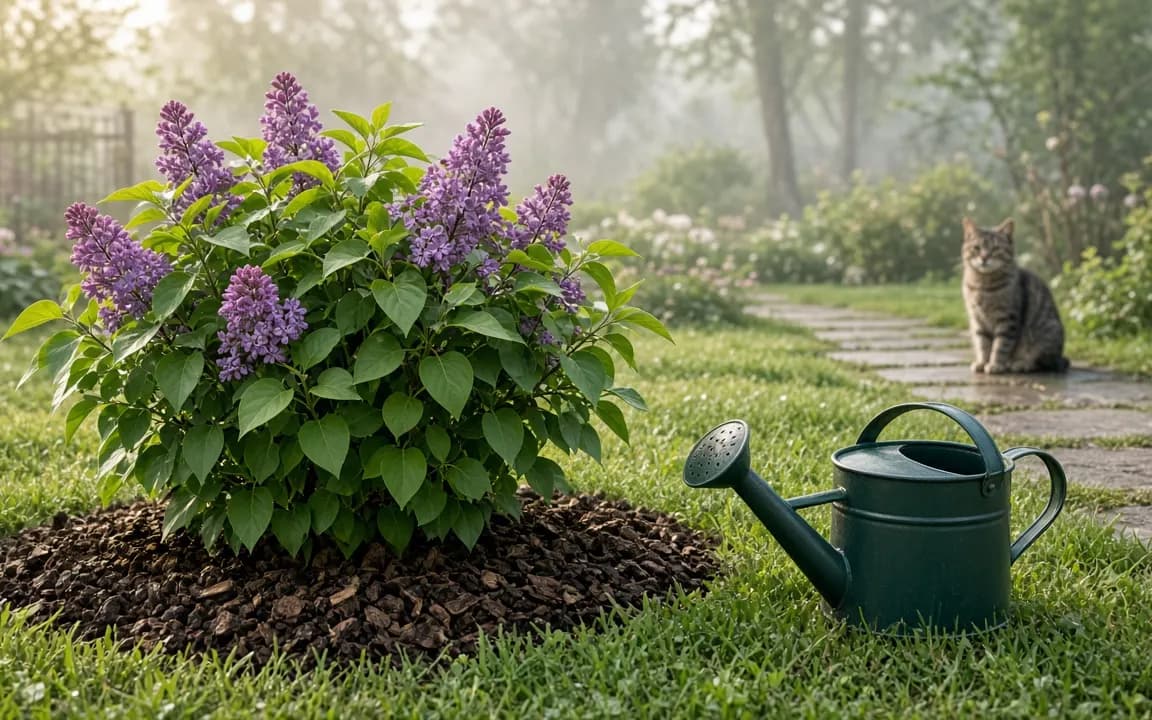
- The plant. A lilac shrugs off pH 7.5. A blueberry or azalea sulks below that.
- Rain and drainage. Regular rainfall rinses sodium away. In dry climates or containers, salts linger near the roots.
So the honest answer is: dilute generously, rest the mix, then test. The number that matters is the pH reading from your own blend, not a ratio written for someone else's soil.
Before today, did you know pure pet ashes are too alkaline for most young plants?
Tap an answer to vote and see how others answered. Anonymous.
Reading the signs
What are the signs a memorial plant is struggling?
| What you see | Likely cause | First step |
|---|---|---|
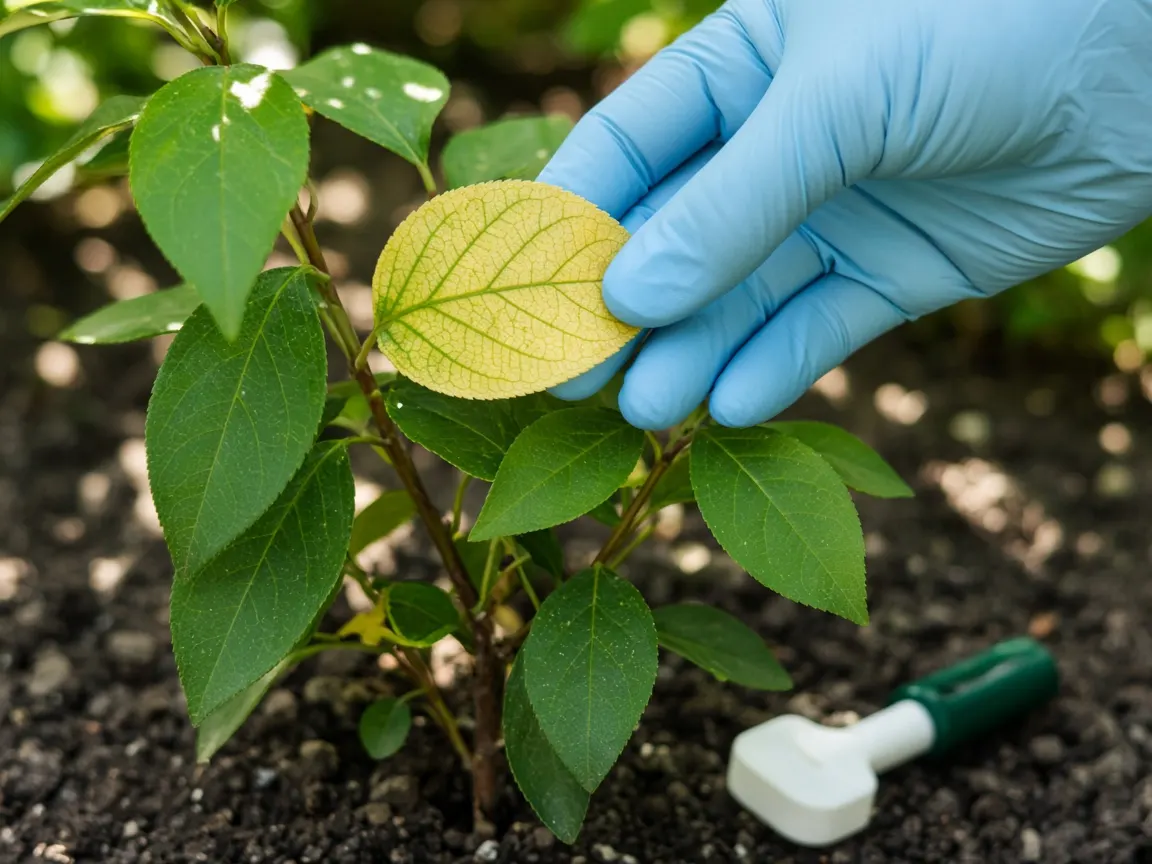
| New leaves pale yellow with green veins | High pH blocking iron uptake | Test pH near the roots; apply chelated iron and an acidifier |
| Brown, crispy leaf edges or tips | Salt burn from sodium | Water deeply and slowly to flush salts down |
| Wilting even though soil is moist | Salt stress or a waterlogged ash layer | Check drainage; loosen compacted soil around the root zone |
| Tiny new leaves, little or no growth | Root damage or nutrient lockout | Test pH; top-dress with compost and mulch |
| Sudden leaf drop on a new tree | Transplant shock, often made worse by ash | Keep watering steadily and avoid fertilizing heavily |
Timing is a clue. Symptoms that show within two to six weeks of planting point toward the ash. Problems that appear in a hot, dry spell may be ordinary drought stress. A new tree also drops some leaves after planting even in perfect soil, so don't judge too quickly.
Rescue steps
How do you rescue a plant harmed by ashes?
- Test first. Take soil from a few inches down near the roots and check the pH with a kit or probe. You're looking for readings above about 7.5.
- Flush the salts. Water slowly and deeply, letting a hose trickle for twenty to thirty minutes, once or twice a week for a month. Stop if water pools.
- Top-dress with compost. Spread two inches of compost over the root zone, out to the drip line, and cover with pine needle or bark mulch.
- Lower the pH gently. Work a little elemental sulfur into the top inch as the label directs. It acts over weeks, not days. Colorado State University Extension explains why sulfur lowers pH so slowly, sometimes over most of a year.
- Treat the yellowing. A chelated iron product, applied to the soil or sprayed on leaves, can green up new growth while the pH comes down.
- Hold off on fertilizer. Most fertilizers add more salt. Wait until the plant is pushing healthy new leaves.
Give it one full growing season before deciding it has failed. Woody plants often look poor for months and then leaf out normally the following spring once the roots have grown past the ash-heavy zone. Our living memorial timeline shows what normal progress looks like month by month.
Already planted?
What if the ashes already went straight into the hole?
This is very common, and it isn't a disaster. Many people only learn about the pH problem afterward, often from a nursery or an internet search at midnight. What you do depends on how long ago it was and how the plant looks.
- Within a few weeks, plant still small: you can lift it on a cool, cloudy day, dig out the concentrated ash layer, mix it through a wheelbarrow of compost and soil, and replant with the blend spread in a wide ring rather than a pocket.
- Plant established or thriving: leave it alone. Water deeply, mulch with compost and watch the new growth. If it looks healthy, the soil is coping.
- Large tree already in: don't dig. Treat from the surface with compost, mulch and deep watering, which reaches more of the root zone than you might expect.
- Plant has died: the ash is still in the soil and still yours. Mix that area thoroughly with compost, rest it through a season, and replant with something more tolerant.
Choosing plants
Which plants tolerate alkaline soil near ashes?
Some plants simply cope better with higher pH. Choosing one of them gives you a wider margin for error, especially in soils that already test above neutral.
| Type | More tolerant | Avoid near ashes |
|---|---|---|
| Trees | Bur oak, hackberry, eastern redbud, honeylocust | Pin oak, sweetgum, most magnolias |
| Shrubs | Lilac, forsythia, juniper, spirea | Azalea, rhododendron, blueberry, camellia |
| Perennials | Yarrow, bearded iris, clematis, catmint | Lupine, most heathers |
| Herbs | Rosemary, thyme, sage | None in particular; most herbs tolerate a range |
Tolerant doesn't mean immune: these still need the ashes diluted. If you have your heart set on an acid-lover like a dogwood, plant it in untouched soil and place the ash blend under a tolerant companion nearby. Our list of trees that suit a pet memorial covers size, season and soil for common choices, and the memorial tree finder narrows it by climate.

Free tool
Memorial tree finder
Pick a tree for a planting urn that suits your climate, space and pet.
Hedging your bets
Should you split the ashes between more than one place?
Dividing the ashes is one of the simplest ways to protect both the plant and your peace of mind. Less ash in one spot means less stress on the roots, and a reserve portion means a failed planting is never the end of the memorial.
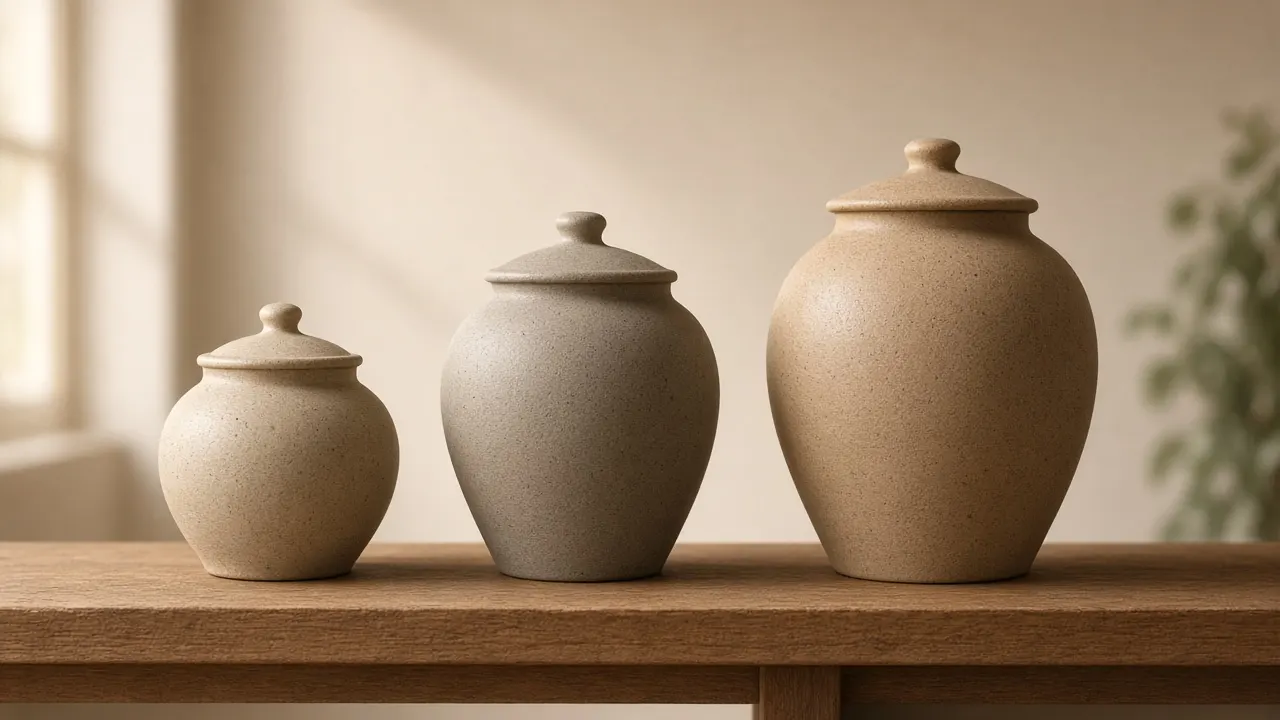
- A keepsake portion: a spoonful kept in a small urn or pendant. One retailer lists keepsake and mini urns at $15–$60[5].
- Two plantings: a tree for most of the ashes and a perennial or pot for the rest.
- Plant now, plant later: blend half now and keep half until you see how the first planting settles.
Do you keep more than one memorial for the same pet?
Tap an answer to vote and see how others answered. Anonymous.
Splitting is common well beyond gardens: in US research, 37%[6] of people said they'd keep remains at home and a third would scatter them, and many families do both. Our comparison of bio urns and permanent display urns looks at keeping some ashes on show while planting the rest.
If you'd rather start with a kit that includes its own neutralizer, the $99[7] Bios Urn for pets is one example, and our guide to biodegradable urns explains what the materials do. For help choosing, send us your details and we'll reply by email with options that fit your pet and your garden. For other planting and burial urns, see our bio urn options; our location pages add regional soil notes, and the poll results show how many readers knew about the pH problem beforehand.

Reader polls
What would you choose?
Vote anonymously and see how other readers answered. The results are live counts from people who visit this site, so they show real opinions, not a scientific sample.
Before today, did you know pure pet ashes are too alkaline for most young plants?
Tap an answer to vote and see how others answered. Anonymous.
Do you keep more than one memorial for the same pet?
Tap an answer to vote and see how others answered. Anonymous.
Which memorial feels most like your pet?
Tap an answer to vote and see how others answered. Anonymous.

Questions people ask
Will my pet's ashes eventually become good for the soil?
Over the long term, bone ash adds calcium and phosphorus, which plants use. The trouble is only the concentration and the high pH at the start. Once the ash is diluted through the soil and weathered by a few seasons of rain, it becomes part of the ground like any other mineral.
How quickly does a memorial plant show damage from ashes?
Usually within two to six weeks of planting, as new leaves emerge pale or edges brown. Established plants may take longer to show stress. If symptoms appear, test the soil pH close to the roots before assuming the worst, because drought and transplant shock look similar.
Can I use vinegar to lower the pH around the plant?
It isn't a good idea. Vinegar gives a brief drop in pH at the surface and can damage fine roots and soil life. Elemental sulfur, compost and acidic mulches such as pine needles work more slowly but safely, and the effect lasts.
My memorial tree died. Did I do something wrong?
Not necessarily. New trees fail for many reasons, including heat, drought, poor nursery stock and planting depth, whether or not ashes are involved. The ash is still in the soil, so you can blend that area with compost, rest it and replant. Many families find a second planting just as meaningful.
Are there plants that actually prefer ash-amended soil?
No plant needs cremated remains, but alkaline-tolerant plants such as lilac, clematis, bur oak and yarrow cope well with slightly raised pH once the ash is properly diluted. Choosing one of them gives you more room for error than an acid-loving shrub would.


Sources and our estimates
- [1] Cremated remains have a very high pH of approximately 11.7, which is toxic to plants without amendment. Larkspur Conservation — Giving Cremated Remains a New Life Through Science, 2024.
- [2] Embrace notes cremated remains typically weigh about 3-5% of the pet's original body weight. Embrace Pet Insurance - Bury or Cremate Your Dog? Costs, Pros & Cons, 2025.
- [3] A median-weight adult pet rabbit (2.1 kg) would be expected to return about 74 g (2.6 oz) of cremated remains. Our estimate: 2,100 g x 3.5%. How we calculate.
- [4] Gardening Know How advises letting an ash/soil-amendment mixture sit for at least 90 to 120 days before planting. Gardening Know How — Planting With Cremains: Is There a Safe Way to Bury Ashes, 2024.
- [5] Keepsake or mini pet urns cost about $15–$60, versus $25–$100 for small and $40–$200 for medium urns (Memorials.com). Memorials.com – Pet Urn Cost Guide, 2025.
- [6] In NFDA's 2025 consumer research, 37% said they would keep cremated remains at home in an urn, and 33.5% would scatter them. Cremation.Green summary of NFDA 2025 Cremation & Burial Report, 2025.
- [7] The Bios Urn for pets, a biodegradable urn with a seed capsule, costs $99. Bios Urn – Pets, 2026.
Get advice on a memorial planting
Tell us what you need and where you are. We'll reply by email with clear options and prices so you can decide in your own time.